
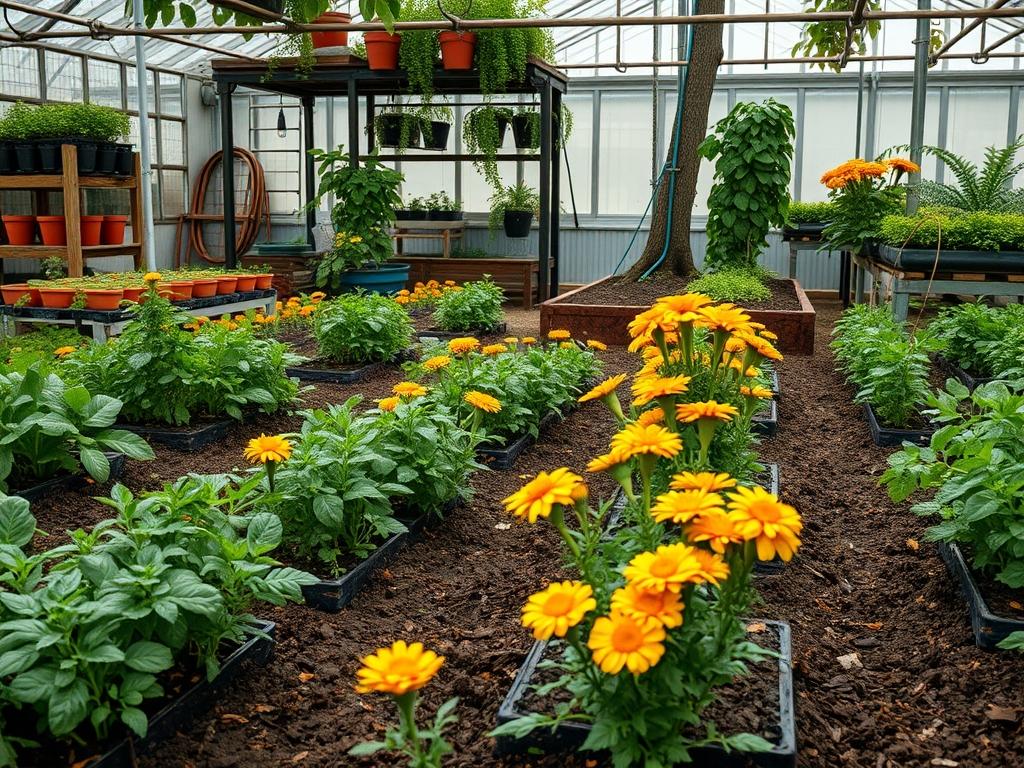
Designing a landscape that balances aesthetic elegance with high-yield productivity requires a strategic approach to functional horticulture. For many homeowners and estate managers, the challenge lies in integrating medicinal species like Calendula officinalis into a formal or semi-formal garden design without sacrificing curb appeal. Often viewed through a strictly utilitarian lens, these bright, marigold-like annuals offer significant ornamental value when layered correctly within a professional landscape. By treating the garden as both a visual asset and a biological pharmacy, we can optimize the site for Harvesting Garden Calendula. Successful integration depends on understanding regional microclimates, solar orientation, and the specific drainage requirements of the resin-rich flowers needed for high-quality salves. When we design for harvest, we are not just planting; we are engineering an outdoor environment that facilitates ease of access, promotes plant health, and enhances the overall value of the property through thoughtful site planning.
Landscape Design Principles
In professional landscape architecture, we use the principles of symmetry and focal points to create a sense of order. When planning for Harvesting Garden Calendula, it is essential to arrange these plants in “drifts” rather than disorganized clusters. Mass planting creates a high-impact visual statement while making the harvesting process more efficient. We often utilize the concept of elevation layers to ensure that shorter medicinal herbs do not get lost behind larger shrubs. By placing Calendula in the middle tier of a border, reaching a height of approximately 12 to 24 inches, we create a mid-level burst of color that draws the eye without obstructing the view of structural backdrops like Boxwood hedges or stone retaining walls.
Visual balance is achieved by pairing the bright oranges and yellows of the petals with cool-toned foliage. Silver-leaf plants or dark green succulents provide a sophisticated contrast that prevents the garden from looking overly rural or unkempt. Furthermore, walkway integration is a critical design step. To avoid soil compaction within the root zones, we design Flagstone or Pea gravel paths that allow the harvester to reach the center of the planting bed without stepping on the soil. This preserves the delicate pore space required for oxygen to reach the roots, ensuring the plants remain vigorous throughout the growing season.
Plant and Material Selection
Selecting the right cultivars and supporting materials is the foundation of a low-maintenance, high-output landscape. While the common pot marigold is hardy, professional installations often favor varieties known for higher resin content, which is the primary ingredient required for effective salves.
| Plant Type | Sun Exposure | Soil Needs | Water Demand | Growth Speed | Maintenance Level |
| :— | :— | :— | :— | :— | :— |
| Calendula officinalis | Full Sun | Sandy loam | Moderate | Fast | Low/Medium |
| Lavandula angustifolia | Full Sun | Well-drained | Low | Moderate | Low |
| Rosmarinus officinalis | Full Sun | Alkaline | Low | Slow/Moderate | Low |
| Salvia officinalis | Full Sun | Dry, gritty | Low | Moderate | Medium |
| Thymus vulgaris | Full Sun | Efficient drainage | Low | Moderate | Low |
For the hardscaping and mulching components, we recommend using Shredded cedar mulch or Pine bark nuggets to a depth of 3 inches. This depth is sufficient to suppress weed growth while maintaining consistent soil temperature. Avoid using synthetic landscape fabrics under medicinal plants, as these can restrict the natural expansion of the root ball and interfere with the soil’s organic nutrient cycle. Instead, focus on high-quality Organic compost to provide the slow-release nitrogen that Calendula needs to produce continuous blooms.
Implementation Strategy
The implementation of a harvest-focused backyard begins with site grading. Proper grading ensures that water moves away from the foundation of the home and does not pool in the planting beds. Calendula is susceptible to root rot if left in standing water; therefore, a slight 2 percent slope or the installation of a French drain may be necessary in heavy clay areas. Once the grade is established, we define the edges of the beds using Steel edging or stacked Fieldstone to create a clean, crisp line that separates the turf from the cultivation area.
When it describes the actual layout, we recommend a “triangulation” planting pattern. This spacing method maximizes the number of plants per square foot while still allowing enough airflow to prevent powdery mildew. Use a Hand trowel or a Transplanter to set the starts approximately 10 to 12 inches apart. After the initial planting, a dedicated Drip irrigation system should be installed. Overhead watering can damage the delicate flower heads and wash away the medicinal resins found on the bracts. By delivering water directly to the base of the plant via 1/2 inch poly tubing, we ensure the blossoms remain dry and the plant stays hydrated.
Best Methods for Harvesting Garden Calendula
To produce a potent salve, the harvesting technique is just as important as the landscape design. The most resinous parts of the plant are found on the green base of the flower head, known as the involucre. For the highest quality medicine, the harvest should occur during the pinnacle of the flower’s resin production. This usually happens on a sunny morning once the dew has completely evaporated but before the intense heat of the afternoon sun begins to wilt the petals.
When Harvesting Garden Calendula, use sharp Bypass pruners or even your fingers to “pop” the flower head off at the very top of the stem. Select flowers that are halfway open or just reaching full bloom. Avoid flowers that have started to fade or go to seed, as their chemical profile changes. As you harvest, place the heads in a Woven willow basket or a breathable mesh bag. Never use plastic bags, as the lack of airflow will cause the high-moisture heads to sweat and begin the fermentation process, which ruins the flowers for salve-making. Consistent harvesting acts as a form of pruning, encouraging the plant to produce even more blooms, effectively extending your harvest window by several weeks.
Common Landscaping Failures
A frequent mistake in residential landscapes is the neglect of spacing and airflow requirements. When plants are crowded too closely together to achieve an “instant” full look, the lack of circulation creates a microclimate ripe for fungal pathogens. Specifically, Calendula can quickly succumb to powdery mildew, which coats the leaves in a white film and reduces the plant’s vitality. To fix this, always adhere to the recommended spacing of 12 inches and thin out the foliage if it becomes too dense.
Another failure is improper irrigation timing. Watering in the late evening leaves the foliage damp through the night, which is an invitation for slugs and snails that find the succulent leaves of Calendula irresistible. Furthermore, soil compaction from foot traffic can lead to stunted growth. If the landscape plan does not include designated footpaths, the gardener will eventually compact the soil around the plants, making it difficult for water and nutrients to penetrate. Utilizing Pressure-treated timber or large Flagstone steppers within the beds solves this problem while adding structural interest to the garden layout.
Seasonal Maintenance
Landscape management is a year-round commitment. In the spring, the focus is on soil preparation and the application of balanced Organic fertilizer. As the soil warms, the first round of Calendula can be direct-seeded or transplanted. During the summer, the primary task is deadheading. By religiously removing the flower heads for your salves, you prevent the plant from putting its energy into seed production, thus maintaining a vibrant display of color throughout the hottest months.
As autumn approaches, allow a few of the latest blooms to mature and turn into brown, curved seeds. This natural reseeding can provide a fresh crop the following year with minimal effort. Clear away any spent foliage to prevent pests from overwintering in the debris. In the winter, apply a fresh 2-inch layer of mulch to protect the soil structure from erosion during heavy rains or snowmelt. For those in colder climates, preparing a Cold frame can help extend the life of these hardy annuals, allowing for a late-season harvest even after the first light frost.
Professional Landscaping FAQ
How much sun does Calendula need for the best resin production?
For maximum resin content, Calendula requires at least 6 to 8 hours of direct sunlight daily. While they can tolerate partial shade, the flower production will be significantly lower, and the stalks may become leggy and prone to flopping.
Can I grow Calendula in containers for my patio?
Yes, they thrive in pots. Ensure the container is at least 12 inches deep and has several drainage holes. Use a high-quality potting mix blended with Perlite to ensure the roots do not become waterlogged in the confined space.
What is the best way to dry the flowers for salves?
Place the harvested heads face down on a Stainless steel drying rack in a warm, dry area away from direct sunlight. Ensure adequate airflow. The process takes about 5 to 7 days until the flower centers are completely brittle.
Does Calendula attract beneficial insects to the garden?
Absolutely. It is a powerhouse for biodiversity, attracting Ladybugs, Hoverflies, and Bees. In a professional landscape, it serves as a “trap crop,” often drawing aphids away from more sensitive ornamental species like Roses or Hibiscus.
What soil pH is ideal for a medicinal herb garden?
Most medicinal herbs, including Calendula, prefer a slightly acidic to neutral soil pH between 6.0 and 7.0. You can monitor this using a standard Soil test kit and adjust with lime or elemental sulfur as recommended by your consultant.