
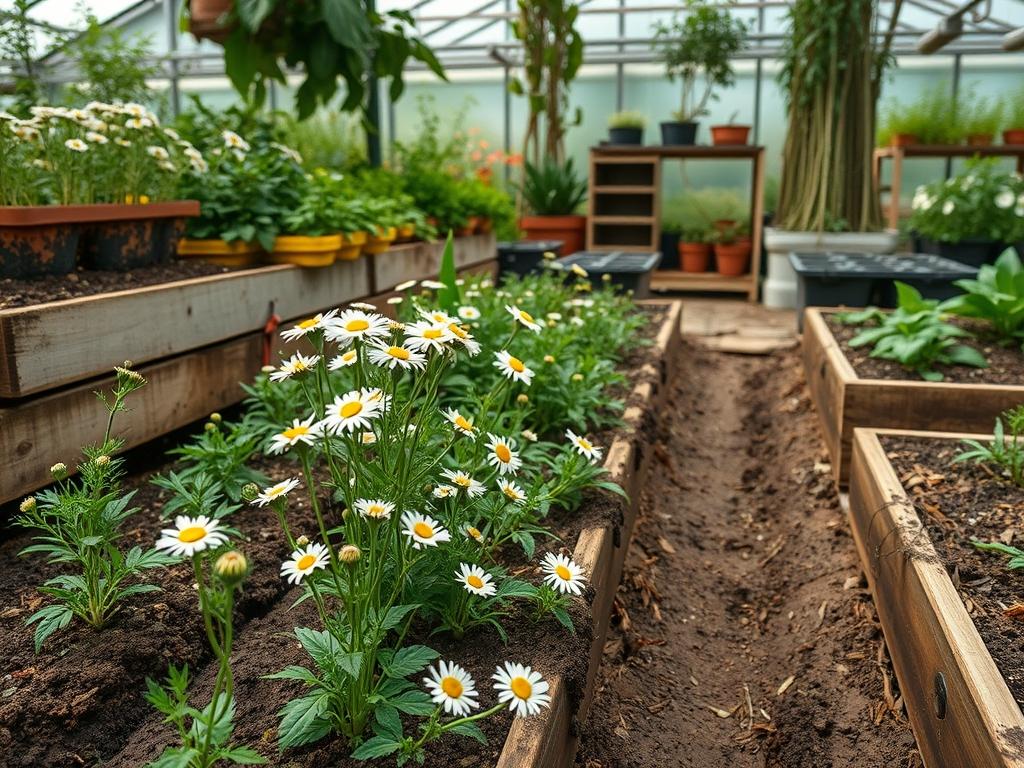
Designing an outdoor space that balances aesthetic utility with functional production requires a deep understanding of horticultural layering and site engineering. Integrating medicinal herbs into a formal or semi-formal landscape increases the property value while providing a sensory experience that standard ornamental greens cannot match. When homeowners focus on the repetitive task of picking fresh chamomile, they are engaging with the softscape in a way that promotes plant health and encourages secondary blooms. However, the success of such an endeavor depends entirely on the underlying landscape architecture. A garden must be graded correctly to prevent water pooling, which often leads to root rot in aromatic herbs. Furthermore, the placement of these plants within the larger site plan determines their accessibility. If a plant is tucked too far behind a retaining wall or dense shrubbery, the harvest becomes a chore rather than a therapeutic exercise. A professional consultant views the garden as a living system where walkways, drainage, and plant selections work together to facilitate both beauty and harvest.
Landscape Design Principles
Successful landscape design relies on the core concepts of symmetry and visual hierarchy to guide the eye and the body through a space. When incorporating plants intended for regular picking fresh chamomile, the architect must consider the elevation layers of the garden. Low-growing species like Roman Chamomile serve as excellent living carpets between flagstone pavers, while the upright German Chamomile provides mid-level texture against taller backdrop specimens like Lavender or Boxwood. By installing these plants near focal points, such as a teak bench or a water feature, the designer creates an interactive zone where the fragrance is naturally released by foot traffic or gentle breezes.
Irrigation planning is another critical principle that dictates the longevity of the garden. Aromatic herbs generally prefer well-drained soil and consistent, yet moderate, moisture levels. A drip irrigation system installed at a depth of 4 inches ensures that water reaches the root zone without wetting the foliage, which can lead to fungal issues in humid climates. Walkways should be designed with a minimum width of 36 inches to allow for easy passage and harvest without trampling the delicate stems. By balancing these structural elements, the designer ensures that the garden remains a functional asset throughout the growing season.
Plant and Material Selection
Selecting the right materials and cultivars is what separates a professional landscape from an amateur garden plot. Use the following table to plan the distribution of species within your environmental layout:
| Plant Type | Sun Exposure | Soil Needs | Water Demand | Growth Speed | Maintenance Level |
| :— | :— | :— | :— | :— | :— |
| German Chamomile | Full Sun | Sandy Loam | Moderate | Fast | Medium |
| Roman Chamomile | Full to Part Sun | Well-Drained | Low | Moderate | Low |
| English Lavender | Full Sun | Alkaline | Very Low | Slow | High (Pruning) |
| Creeping Thyme | Full Sun | Rocky/Sandy | Very Low | Fast | Low |
| Sweet Alyssum | Full to Part Sun | Rich Compost | Moderate | Fast | Low |
| Sage (Common) | Full Sun | Average | Low | Moderate | Medium |
Beyond plant selection, the hardscape materials must complement the organic elements. Natural cedar mulch or crushed granite provides a clean contrast against the fine, feathery texture of chamomile leaves. These materials also assist in moisture retention and weed suppression, which reduces the labor required to maintain the pristine appearance of the garden beds.
Implementation Strategy
The implementation of a professional-grade garden bed begins with proper site preparation and grading. A slope of 2 percent away from the home foundation is standard to ensure that runoff does not impact the structural integrity of the residence. Once the grade is established, the use of steel edging or tumbled stone borders defines the space and prevents aggressive turf grass from encroaching on the herb beds.
Begin by excavating the area to a depth of 8 inches and backfilling with a custom soil mix containing 70 percent sandy loam and 30 percent organic compost. This ratio provides the necessary aeration for root development. When planting, space German Chamomile approximately 12 inches apart to allow for mature spread. For a seamless groundcover look using Roman Chamomile, reduce the spacing to 6 inches.
Once the plants are in the ground, apply a 2-inch layer of shredded hardwood mulch. This depth is sufficient to suppress weeds while still allowing the soil to breathe. If the design includes a walkway, ensure the pavers are set on a 4-inch base of compacted gravel and a 1-inch layer of sand to prevent shifting over time. Proper implementation ensures that when the time comes for picking fresh chamomile, the gardener has stable footing and a clean, organized environment.
Common Landscaping Failures
The most common failure in modern landscaping is a lack of attention to drainage. Even the most beautiful garden will fail if the soil becomes compacted and holds water for extended periods. Chamomile is particularly sensitive to “wet feet,” which causes the roots to suffocate and the plant to yellow. Another frequent mistake is root overcrowding. Designing a garden for its appearance on day one often leads to a tangled mess by year three. Architects must plan for the mature width of every species to prevent competition for nutrients and sunlight.
Improper spacing and the use of the wrong mulch can also lead to disaster. Using uncomposted wood chips can temporarily strip nitrogen from the soil, stunted the growth of delicate flower heads. Additionally, many homeowners fail to account for the irrigation needs of different zones. Grouping high-water plants with drought-tolerant herbs like Sage or Lavender results in one species being overwatered while the other suffers. Finally, failing to use a geotextile fabric under hardscape paths can lead to weed intrusion that eventually compromises the structural integrity of the walkway.
Seasonal Maintenance
A landscape is a dynamic entity that requires different interventions throughout the year. In the spring, the focus is on soil revitalization. Apply a thin layer of worm castings or a balanced organic fertilizer to the base of the plants as new growth appears. This is also the time to check the irrigation emitters for clogs and to refresh the mulch levels where they have thinned during the winter months.
Summer is the peak season for picking fresh chamomile. Frequent harvesting of the flower heads prevents the plant from going to seed too early and encourages the production of new buds. Always use precision bypass pruners to make clean cuts just above a leaf node. As autumn approaches, reduce watering to allow the plants to harden off. For perennial varieties like Roman Chamomile, trim the foliage back to 3 inches once the first frost has occurred. In winter, in colder climates, a light covering of pine straw can provide the necessary insulation to protect the root systems from freeze-thaw cycles. This year-round approach ensures the landscape remains vibrant and productive for multiple seasons.
Professional Landscaping FAQ
How often should I be picking fresh chamomile to maintain plant health?
You should harvest the flowers every 2 to 3 days during the peak blooming season. This prevents the plant from putting energy into seed production, which extends the flowering cycle and keeps the landscape looking lush and vibrant longer.
What is the ideal soil pH for a chamomile-heavy landscape?
Most chamomile varieties thrive in a soil pH between 6.0 and 7.5. Professional landscapers often use sulfur to lower pH or lime to raise it, ensuring the nutrients remain bioavailable for the production of essential oils in the flowers.
Can I use chamomile as a lawn replacement in high-traffic areas?
Roman Chamomile is suitable for light foot traffic and can be used as a fragrant lawn alternative. However, for areas with heavy use, it is better to plant it between stepping stones to protect the crowns from excessive compaction.
What are the best companion plants for chamomile in a formal garden?
Excellent companions include Lavender, Echinacea, and Rosemary. These plants share similar drainage requirements and create a Mediterranean aesthetic that provides structural height and color contrast against the low, fine texture of the chamomile foliage.
How do I prevent my chamomile from becoming invasive in the garden?
While chamomile is a prolific self-seeder, you can manage its spread by picking fresh chamomile heads before they transition to brown seeds. Using aluminum or plastic garden edging buried 4 inches deep will also help contain the root systems.