
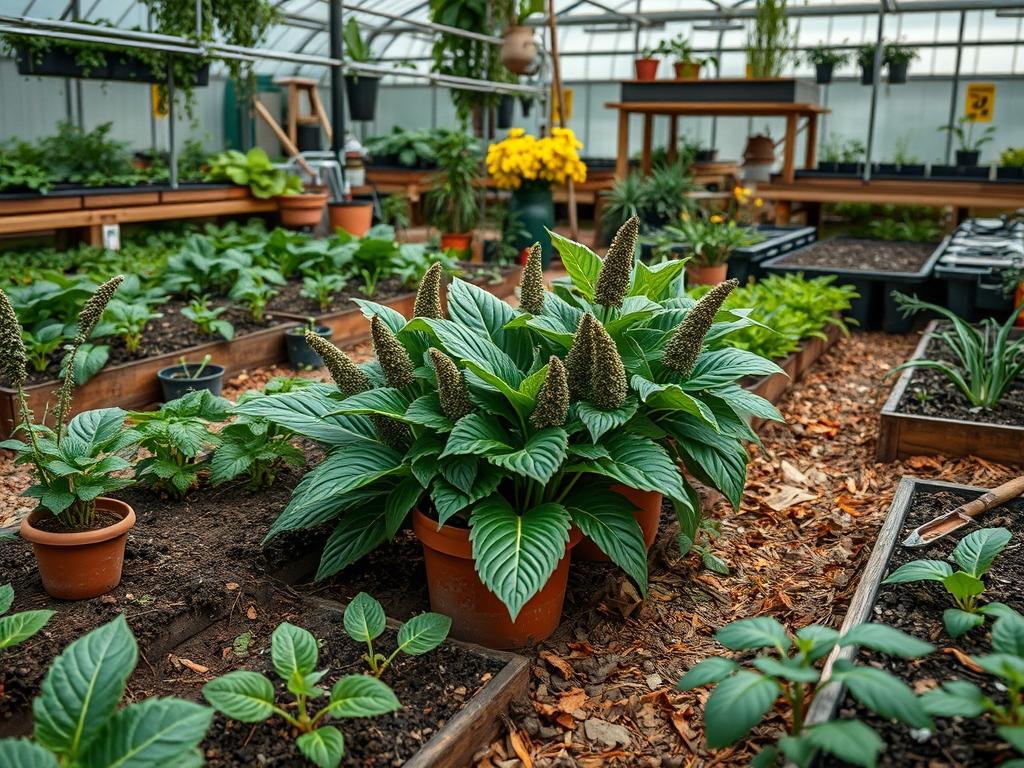
Integrating high-performance biomass plants like Comfrey into a residential or commercial landscape requires a delicate balance between utilitarian resource management and aesthetic cohesion. While many property owners prioritize visual appeal, the modern landscape architect views the garden as a closed-loop system where nutrient cycling is paramount. Harvesting Garden Comfrey offers an unparalleled opportunity to generate on-site fertilizer, yet the process demands technical precision and strict adherence to safety protocols to protect both the worker and the surrounding ecosystem. This plant, specifically the Bocking 14 cultivar of Symphytum x uplandicum, acts as an organic engine, pulling minerals from deep within the subsoil to the surface. When managed correctly, it enhances the vitality of the entire outdoor environment, but when handled carelessly, it can lead to skin irritation or unintended propagation that disrupts the planned symmetry of a site.
Successful landscape design rests on the ability to camouflage these high-production zones within a wider decorative context. We often place comfrey in the mid-layer of a planting scheme, tucked behind structural shrubs or beneath the canopy of fruit trees to utilize its ability to thrive in dappled light. This positioning serves a dual purpose: it hides the somewhat coarse, bristly texture of the leaves from direct view while placing the “fertilizer factory” exactly where the nutrients are needed most. For the homeowner or the estate manager, the primary challenge is timing the harvest to maximize nitrogen content without compromising the plant’s structural integrity or the landscape’s curb appeal. Safety must remain the guiding principle throughout this operation, as the very traits that make this plant resilient also make it a physical irritant during the processing stage.
Landscape Design Principles
When incorporating comfrey into a sophisticated landscape plan, the principle of visual balance dictates its placement. We avoid using it as a primary focal point due to its tendency to look ragged after a heavy harvest. Instead, it serves as a functional border or a foundation layer in a “guild” planting system. Elevation layers are critical here; by placing Comfrey on a slight incline or atop a retaining wall, the harvester can access the foliage without excessive bending, which improves the ergonomics of the task. This elevated placement also ensures that any runoff from the high-protein leaves during a “chop and drop” cycle remains within the target root zone of lower-elevation plantings.
Symmetry can be maintained by planting comfrey in specialized sunken beds or within customized steel edging to prevent the massive taproot from encroaching upon formal walkways. Irrigation planning is equally vital. Because Harvesting Garden Comfrey occurs multiple times per season, the plant requires consistent moisture to recover its biomass. We integrate drip irrigation lines at the base of the crown to deliver water directly to the soil, avoiding the foliage which can become heavy and susceptible to mildew if kept wet. This systematic approach ensures the garden remains both a productive resource and a visually stunning environment.
Plant and Material Selection
The following table outlines the specific requirements for comfrey and its most common landscape companions used in high-nutrient gardening schemes.
| Plant Type | Sun Exposure | Soil Needs | Water Demand | Growth Speed | Maintenance Level |
| :— | :— | :— | :— | :— | :— |
| Comfrey (Bocking 14) | Full Sun to Part Shade | Deep, Rich Loam | Moderate to High | Fast | Medium |
| Russian Sage | Full Sun | Well-Drained, Lean | Low | Medium | Low |
| Switchgrass | Full Sun | Adaptable | Low | Medium | Low |
| Elderberry | Full Sun to Part Shade | Moist, Fertile | High | Fast | High |
| Yarrow | Full Sun | Well-Drained | Low | Fast | Low |
For the harvest itself, material selection extends beyond the plants. Professionals must utilize high-grade bypass loppers, serrated sickles, or sharpened garden shears. Using dull tools is a common safety oversight; it requires more force to cut the fibrous stems, increasing the risk of slips and injury. Furthermore, heavy-duty nitrile gloves or leather work gloves are non-negotiable. Comfrey leaves are covered in fine, stiff hairs that can cause significant contact dermatitis or “comfrey rash” upon skin contact.
Implementation Strategy
Planning the layout for a harvest-ready garden begins with site grading. The area must be level or slightly sloped to prevent water from pooling around the crowns, which can lead to rot during the dormant winter months. We typically recommend a mulch depth of 3 to 4 inches around the base of the plants to suppress weed competition and retain the moisture necessary for rapid regrowth after a cutting. When laying out the garden, we designate 36-inch wide walkways between rows to allow for the easy passage of a wheelbarrow or a garden cart during the transport of harvested biomass to the compost bin.
The actual process of Harvesting Garden Comfrey follows a tiered strategy. First, clear the area of any debris or irrigation emitters to ensure a clean workspace. Second, put on long-sleeved shirts and safety glasses to protect against the abrasive leaves and flying debris. Use a sickle to grab a handful of leaves and cut them roughly 2 to 3 inches above the soil surface. This height is crucial; cutting too low can damage the crown and invite pests, while cutting too high leaves unsightly, woody stalks that detract from the landscape’s aesthetic. Once the material is gathered, it should be moved immediately to the compost pile or applied as a mulch to avoid attracting slugs, which are often drawn to the wilting foliage.
Common Landscaping Failures
One of the most frequent mistakes in managing comfrey is root overcrowding. Due to the plant’s aggressive growth, it can easily choke out neighboring perennials if not confined within a root barrier or a high-density polyethylene (HDPE) liner. If the roots are disturbed, even a small fragment can sprout into a new plant, leading to unintended spread throughout the lawn or flower beds. This is particularly problematic near hardscaping elements like pavers or concrete footings, where the powerful roots can exert pressure on the structure over time.
Soil compaction is another significant failure point. Because Harvesting Garden Comfrey involves frequent foot traffic around the plant, the soil can become crushed, starving the roots of oxygen. To mitigate this, we install stepping stones or permeable gravel paths to concentrate the weight of the gardener on specific areas. Furthermore, irrigation inefficiencies often arise when designers fail to account for the plant’s high transpiration rate. Without a dedicated irrigation manifold or localized soaker hoses, the comfrey will wilt in the afternoon sun, reducing its nutrient density and making the harvest less effective for composting.
Seasonal Maintenance
Landscape management shifts with the transition of the seasons, and comfrey requires specific attention throughout the year to remain a safe and productive asset. In the spring, once the soil temperature reaches 55 degrees Fahrenheit, we apply a layer of composted manure or organic fertilizer to stimulate the first flush of growth. This is also the time to inspect the irrigation system for any leaks or clogged emitters that may have occurred during the freeze-thaw cycles of winter.
During the summer months, the focus moves to repetitive harvests. You can typically perform Harvesting Garden Comfrey three to five times between May and September, depending on your local climate and water availability. In the autumn, the final harvest should be allowed to remain on the plant or be dropped directly onto the soil to act as a natural winter mulch. This protects the crown from extreme cold. Once the first hard frost kills the top growth, the blackened leaves should be cleared away to prevent the buildup of fungal pathogens in the leaf litter. During the winter, the landscape architect focuses on tool maintenance, ensuring that all cutting implements are cleaned with isopropyl alcohol and sharpened for the coming spring.
Professional Landscaping FAQ
How often should I harvest comfrey for the best compost?
You should aim for a harvest every 4 to 6 weeks during the peak growing season. This ensures the leaves are succulent and high in nitrogen, which accelerates the decomposition process in your compost pile or liquid fertilizer barrel.
What is the most important safety gear for harvesting?
Gloves and long sleeves are the most critical items. The microscopic hairs on comfrey leaves act as a physical irritant. Protecting your skin prevents the itchy, red rash often associated with handling large quantities of the biomass.
Can comfrey be planted near drainage pipes?
It is generally discouraged. The deep, opportunistic taproot can reach depths of 10 feet and may infiltrate small cracks in perforated drainage pipes or septic fields. Keep at least a 15-foot buffer between the plant and critical underground infrastructure.
How do I prevent comfrey from taking over my yard?
Always plant the Bocking 14 variety, which is a sterile hybrid and will not spread via seeds. For root control, use plastic edging buried 12 inches deep to contain the crown and prevent lateral spread into the lawn.
Which tools are best for a clean, safe cut?
A sharpened serrated sickle is the professional choice for speed and safety. It allows you to gather a bundle of leaves with one hand and cut with the other, minimizing the time spent in contact with the plant’s irritating surface.