
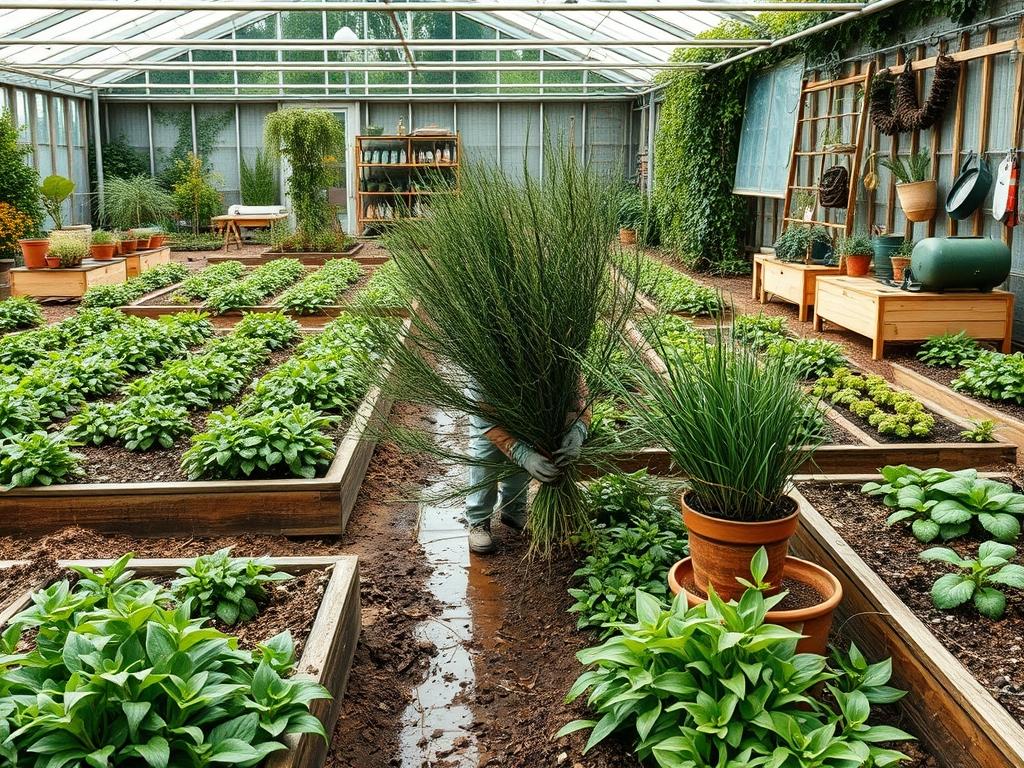
Integrating aromatic botanicals into a residential landscape requires a sophisticated balance between aesthetic appeal and functional utility. When a homeowner expresses interest in Picking Fresh Eucalyptus for interior use, such as shower bunches, the landscape architect must view the plant not just as a specimen, but as a renewable resource within a managed ecosystem. Eucalyptus species offer a unique silver-blue palette and striking verticality that can transform a mundane backyard into a sensory retreat. However, these trees are often misunderstood in temperate and subtropical climates. They require specific site conditions to thrive and produce the high-quality foliage necessary for therapeutic use. The challenge lies in positioning these rapid growers so they provide a stunning backdrop without compromising the structural integrity of nearby hardscaping or overcrowding the understory. A well-planned garden layout ensures that harvesting does not leave unsightly gaps in the canopy, maintaining curb appeal throughout the year while fulfilling the outdoor living goal of bringing the garden indoors.
Landscape Design Principles
In the realm of high-end landscape architecture, symmetry and focal points dictate how a viewer moves through a space. Eucalyptus trees serve as exceptional focal points due to their peeling bark and shimmering leaves. When designing a garden with harvesting in mind, we utilize elevation layers to ensure the landscape feels full and deliberate. We place taller species like Eucalyptus globulus at the rear of the property to establish a windbreak and a sense of enclosure. This allows for a tiered transition toward the foreground, where mid-sized shrubs and groundcovers create a lush, tiered effect. The silvery foliage of the eucalyptus acts as a neutral canvas, making the vibrant greens of native grasses or the deep purples of Lavender pop with greater intensity.
Visual balance is achieved by counteracting the airy, vertical nature of the eucalyptus with grounded, heavy materials. We often incorporate Stone Retaining Walls or large Basalt Boulders near the base of the planting zone to provide a sense of weight. Irrigation planning is also a primary design pillar; eucalyptus requires deep, infrequent watering once established to encourage a deep root system. We design these zones separately from high-water demand turf areas to prevent root rot. Furthermore, the placement of Flagstone Walkways leading toward the eucalyptus grove invites the homeowner to interact with the plants. This functional path ensures that the act of Picking Fresh Eucalyptus becomes a curated experience rather than a chore through muddy terrain.
Plant and Material Selection
Selecting the right cultivar is the most critical decision for a harvest-focused landscape. The following table outlines the most effective species for both architectural impact and shower bunch quality.
| Plant Type | Sun Exposure | Soil Needs | Water Demand | Growth Speed | Maintenance |
| :— | :— | :— | :— | :— | :— |
| Eucalyptus gunnii | Full Sun | Well-drained | Low to Moderate | Fast | Moderate |
| Eucalyptus cinerea | Full Sun | Sandy Loam | Low | Medium | Low |
| Eucalyptus pulverulenta | Full Sun | Gritty/Dry | Very Low | Slow to Medium | High (Pruning) |
| Eucalyptus pauciflora | Full Sun/Part Shade | Acidic | Moderate | Medium | Low |
| Rosmarinus officinalis | Full Sun | Poor/Rocky | Very Low | Medium | Low |
For the structural elements of the garden, we recommend using Polymeric Sand for jointing pavers to prevent weed growth and Decomposed Granite for high-traffic paths near the harvest zones. Hardwood Mulch should be applied at a depth of 3 inches to regulate soil temperature, though it must be kept several inches away from the trunk of the eucalyptus to prevent fungal infections.
Implementation Strategy
The implementation phase begins with a precise site analysis and grading plan. Eucalyptus species are sensitive to “wet feet,” meaning the soil must be graded at a 2 percent slope away from the planting site to ensure proper drainage. If the native soil is heavy clay, we implement a subterranean drainage system using Perforated PVC Pipe and 3/4-inch Crushed Stone. This prevents water from stagnating around the sensitive root collars. Once the grading is established, we mark the layout using Surveyor’s Tape to visualize the mature spread of each tree.
When planting, we excavate a hole twice the width of the root ball but no deeper than the nursery container. This ensures the tree settles correctly without being buried too deep, which is a common cause of trunk rot. After the trees are in the ground, we install a Drip Irrigation System with emitters placed at the drip line rather than the trunk. This encourages the roots to expand outward, providing greater wind resistance as the tree matures. For those interested in Picking Fresh Eucalyptus, we practice a technique called “pollarding” or heavy seasonal pruning. By cutting back certain branches to a specific height, we encourage the growth of juvenile foliage, which is often more rounded, aromatic, and desirable for shower bunches than the elongated adult leaves.
The final structural touch involves Steel Edging to create clean lines between the eucalyptus grove and the surrounding lawn or ornamental beds. This prevents the vigorous roots from encroaching on other plants and maintains a professional, crisp aesthetic. We finish the area with a layer of Organic Compost mixed into the topsoil to provide a slow-release nutrient source that supports rapid foliage regrowth after harvesting.
Common Landscaping Failures
One of the most frequent mistakes in residential landscapes is root overcrowding caused by improper spacing. Homeowners often plant eucalyptus too close to their home’s foundation or Retaining Walls, ignoring the aggressive nature of the root systems. As the tree matures, the roots can exert significant pressure on concrete structures, leading to costly cracks and failures. We recommend a minimum distance of 15 feet from any permanent structure for most medium-sized species.
Another common failure is soil compaction. During construction or heavy gardening, the use of heavy machinery or constant foot traffic can compress the soil, stripping it of the oxygen that eucalyptus roots require. To fix this, we use Core Aeration techniques to reintroduce air into the root zone. Irrigation inefficiencies also plague many gardens; over-watering is more lethal to eucalyptus than under-watering. When the soil remains saturated, the tree becomes susceptible to Phytophthora, a soil-borne pathogen that causes rapid decline. Finally, many gardeners fail to realize that eucalyptus has high oil content. Planting them too close to fire-prone structures in high-risk areas without a proper fire-smart buffer zone is a significant safety oversight.
Seasonal Maintenance
Seasonal management is what separates a professional landscape from a hobbyist garden. In the Spring, the focus is on structural pruning and fertilization. We apply a low-phosphorus, high-potassium fertilizer to strengthen the cellular structure of the wood. This is also the primary window for “shaping” the tree to ensure the most accessible branches are available for Picking Fresh Eucalyptus later in the year.
Summer maintenance involves monitoring the Irrigation Controllers to adjust for extreme heat. While eucalyptus is drought-tolerant, young trees in their first two years require consistent moisture to establish. We check the Mulch Depth and replenish it if it has decomposed to less than 2 inches. In Autumn, the growth rate slows, making it the ideal time for a major harvest. The cooler temperatures help preserve the essential oils in the leaves, resulting in more fragrant shower bunches. We also clear away fallen bark and leaf litter, which can become a trip hazard on Gravel Paths. Winter care is focused on protection. In regions with occasional frost, we wrap the trunks of younger Eucalyptus gunnii with Burlap and avoid any heavy pruning, as new growth triggered by pruning would be easily killed by the cold.
Professional Landscaping FAQ
What is the best time of day for picking fresh eucalyptus?
Harvest in the early morning after the dew has evaporated but before the heat of the sun begins to dissipate the essential oils. This ensures the maximum fragrance and longevity for your shower bunches.
How do I prevent my eucalyptus from growing too tall?
Utilize a pruning technique known as coppicing. By cutting the tree back significantly in early spring, you force it to produce multi-stemmed, shrub-like growth. This keeps the aromatic juvenile foliage within easy reach for harvesting.
Will eucalyptus roots damage my irrigation lines?
If there are leaks in your PVC pipes, the roots will aggressively seek out that moisture. Ensure all fittings are sealed and use root barriers near primary mainlines to protect your irrigation infrastructure from intrusion.
What mulch is best for a eucalyptus-heavy landscape?
Use a coarse Arborist Wood Chip mulch. It breaks down slowly, provides excellent gas exchange for the soil, and mimics the natural forest floor environment where these species thrive in the wild.
How do I revive a eucalyptus with yellowing leaves?
Yellowing often indicates iron chlorosis or poor drainage. Check the soil pH and ensure it is slightly acidic. If the soil is waterlogged, reduce your Irrigation Frequency and check for compaction around the root zone.