
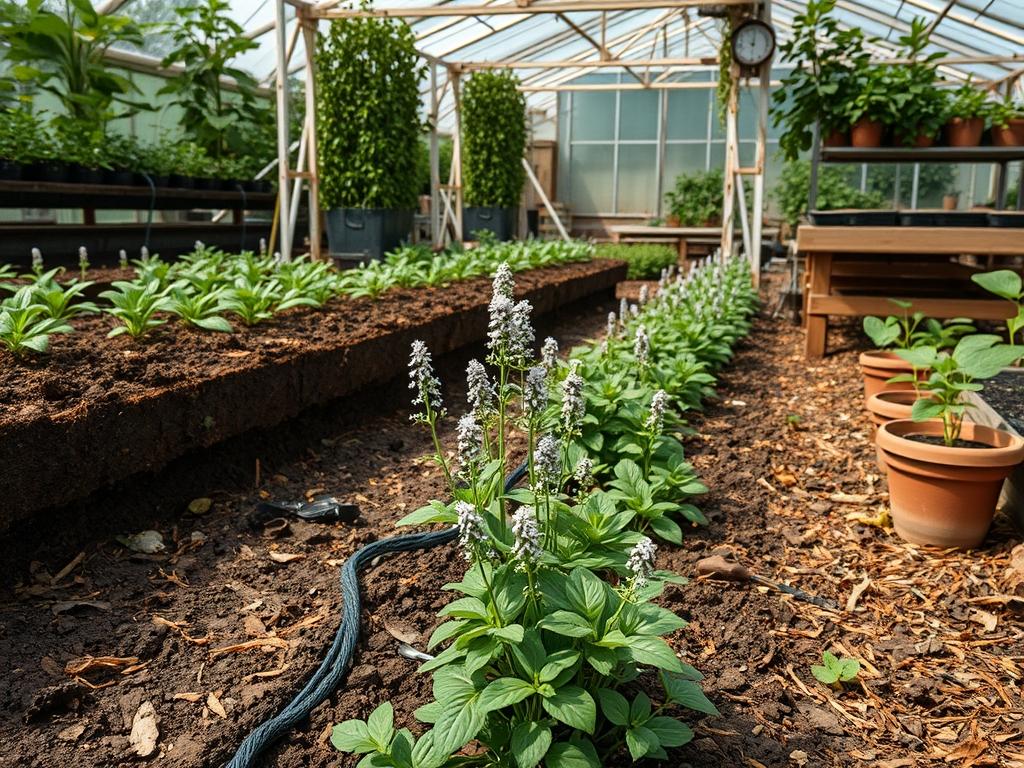
Integrating Limonium sinuatum into a functional landscape design requires a strategic understanding of textural contrast and coastal resilience. Often referred to as Sea Lavender or Statice, this hardy perennial or annual remains a staple for designers who prioritize low water usage and high visual impact. Harvesting garden statice is not merely a task for the florist; it is a critical component of garden maintenance that encourages prolonged blooming and maintains the structural integrity of the plant bed. When we design outdoor spaces, we look for species that offer architectural stability while serving a dual purpose for indoor aesthetics. Statice thrives in well-drained soil and full sun, making it an ideal candidate for xeriscaping or Mediterranean-inspired borders. The challenge for many homeowners is balancing the desire for a lush, colorful display with the practicalities of a cutting garden. By treating the harvest as an act of pruning, the landscape remains tidy, preventing the leggy, unkempt appearance that often plagues neglected flower beds. Proper timing and technique ensure that the stems removed for bouquets are replaced by fresh growth, preserving the curb appeal of the property throughout the peak growing season.
Landscape Design Principles
Effective landscape design relies on the deliberate arrangement of elements to create a sense of cohesion and purpose. When incorporating plants destined for harvest, such as statice, we must apply the principles of focal points and elevation layers. Statice typically occupies the middle tier of a planting plan, sitting comfortably between low-growing groundcovers like Creeping Thyme and taller structural elements like Ornamental Grasses or Lavender. This layering creates a vertical rhythm that draws the eye upward without overwhelming the viewer. Symmetry can be achieved by flanking walkways with repetitive clusters of statice, providing a consistent color palette that guides the transition from the sidewalk to the front door.
Visual balance is equally important. Because statice has a coarse, papery texture, it should be balanced with softer, finer-leafed plants to prevent the garden from looking overly rigid. Utilizing curved garden beds can soften the hard lines of a home’s foundation, while the rigid stems of the statice provide a necessary verticality. We also consider the irrigation footprint. Grouping plants with similar water requirements, a practice known as hydrozoning, ensures that the drought-tolerant statice is not overwatered by systems designed for turf or thirstier shrubs. This strategic placement protects the root systems and improves the longevity of the plant, which in turn produces higher quality stems for harvesting garden statice.
Plant and Material Selection
Selecting the right cultivars and supporting materials is the foundation of a low-maintenance, high-output landscape. The following table outlines the requirements for statice and its common companion plants in a professional cutting garden layout.
| Plant Type | Sun Exposure | Soil Needs | Water Demand | Growth Speed | Maintenance |
| :— | :— | :— | :— | :— | :— |
| Limonium sinuatum | Full Sun | Sandy, Well-Drained | Low | Moderate | Low |
| Lavandula angustifolia | Full Sun | Gritty, Alkaline | Low | Moderate | Medium |
| Salvia nemorosa | Full or Partial | Loamy, Rich | Medium | Fast | Medium |
| Echinacea purpurea | Full Sun | Adaptable, Lean | Low | Moderate | Low |
| Stipa tenuissima | Full Sun | Well-Drained | Low | Fast | Low |
For the hardscaping components, we recommend using decomposed granite or pea gravel as a mulch layer. These materials facilitate rapid drainage and reflect heat back toward the plants, mimicking their native coastal environments. When planning walkways, flagstone or pavers set in sand allow for water infiltration, reducing runoff and ensuring that the garden beds receive moisture deep within the subsoil where roots are most active.
Implementation Strategy
The transition from a design on paper to a physical landscape requires meticulous site preparation. Grading is the first and most vital step. The land must be sloped away from the home at a minimum of two percent to prevent water from pooling near the foundation or suffocating the roots of your plants. For statice, which is highly susceptible to crown rot, creating slightly elevated mounds or raised beds can provide the necessary drainage. Once the grading is complete, we install steel edging or pro-grade plastic edging to define the borders and prevent turf grass from encroaching into the flower beds.
When planting, we recommend a spacing of 12 to 18 inches between statice specimens. This allows for adequate airflow, which is the best defense against powdery mildew and other fungal pathogens. After the plants are in the ground, a 3-inch layer of organic mulch or inorganic stone should be applied, taking care to keep the material away from the base of the stems. If you are planning for a heavy harvest, installing a subtle grid support system or low-profile stakes can prevent the heavy flower heads from flopping over during summer storms. Harvesting garden statice begins when the individual calyxes are fully colored and the tiny white flowers inside have just begun to peek out. Use bypass pruners or sharp floral snips to cut the stems at a forty-five-degree angle, ideally in the early morning when the plant is fully hydrated. This professional approach to implementation ensures the garden remains a structural asset rather than a chaotic patch of weeds.
Common Landscaping Failures
The most frequent mistake in managing a cutting garden within a landscape is improper drainage. Many enthusiasts amend their soil with too much organic matter, such as heavy compost, which retains excessive moisture. For statice, this leads to root rot and a total collapse of the plant. Another failure involves root overcrowding. When plants are placed too closely together to achieve an instant full look, they compete for nutrients and water, resulting in stunted growth and fewer blooms. Professional designers always account for the mature width of the species, even if the garden looks sparse during the first season.
Irrigation inefficiencies also contribute to landscape decline. Overhead sprinklers often result in wet foliage, which promotes disease and can damage the delicate, papery flowers of the statice. We recommend drip irrigation systems or soaker hoses buried beneath the mulch. These delivery methods provide water directly to the root zone, reducing evaporation and keeping the blooms dry for harvesting. Finally, soil compaction from heavy foot traffic can suffocate roots. Defining clear walking paths using mulch or stone ensures that the soil structure remains porous and healthy.
Seasonal Maintenance
A professional landscape requires a four-season management plan to remain viable. In the spring, the focus is on soil health and vitality. Apply a slow-release, low-nitrogen fertilizer to encourage root development without forcing excessive, weak foliage growth. This is also the time to check irrigation lines for leaks or clogs before the summer heat arrives. As summer begins, the primary task is harvesting garden statice and deadheading spent blooms. Frequent cutting actually stimulates the plant to produce more flower spikes, extending the display well into late August. Monitor for pests like aphids and use insecticidal soap if necessary.
Autumn is the season for structural assessment and cleanup. For perennial varieties, cut the foliage back to a few inches above the ground once the first frost has blackened the leaves. This is also an excellent time to add a fresh layer of mulch to insulate the root systems for the winter. In winter, maintenance turns toward the hardscape. Inspect retaining walls for shifting and clean your pruning tools with rubbing alcohol to ensure they are sharp and sterile for the coming year. By following this seasonal rhythm, the landscape remains a disciplined and beautiful environment that provides an endless supply of material for indoor arrangements.
Professional Landscaping FAQ
What is the best time of day to harvest statice?
Harvest in the early morning after the dew has evaporated but before the heat of the day. This ensures the stems are turgid and fully hydrated, which significantly extends their vase life in both fresh and dried arrangements.
How do I dry statice for long term use?
Bundle the stems with twine or rubber bands and hang them upside down in a cool, dark, and well-ventilated area. Darkness preserves the vibrant blues, purples, and yellows, while airflow prevents mold from forming during the two-week drying process.
Can statice grow in heavy clay soil?
Statice struggles in heavy clay due to poor drainage. To succeed, you must incorporate expanded shale or coarse sand to improve porosity. Alternatively, planting in raised stone planters provides the elevated drainage profile these Mediterranean plants require.
Does harvesting garden statice hurt the plant?
No, regular harvesting acts as a form of pruning that encourages the plant to produce more secondary blooms. By removing the primary stems before they go to seed, the plant redirects its energy into new floral production rather than seed development.
Is drip irrigation necessary for a statice garden?
While not strictly mandatory, drip irrigation is highly recommended for professional results. It keeps the papery blooms dry, prevents soil-borne diseases from splashing onto the foliage, and ensures deep moisture delivery, which is essential for developing long, sturdy floral stems.