
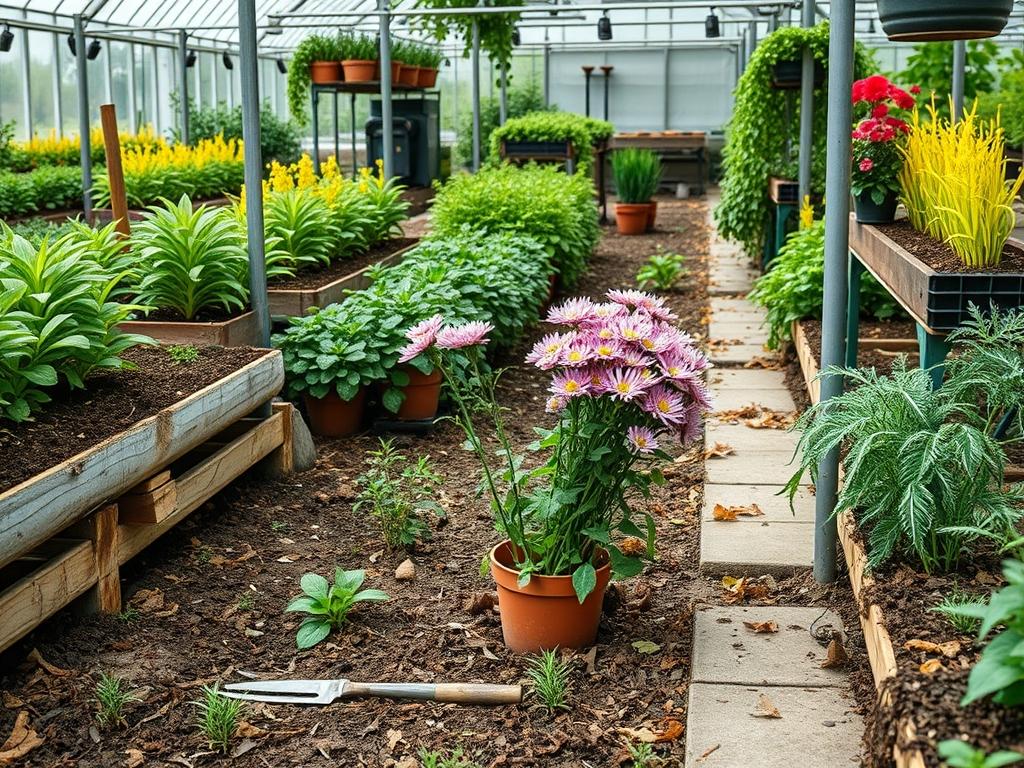
Integrating textured botanicals into a residential or commercial site plan requires a sophisticated understanding of both aesthetic longevity and biological requirements. The strawflower, scientifically known as Xerochrysum bracteatum, represents a unique asset for the landscape architect due to its drought tolerance and structural rigidity. When we design for curb appeal and outdoor functionality, we often focus on the immediate visual impact of the specimen in the soil; however, for many homeowners, the value of these plants extends to their use in dried arrangements. Picking Fresh Strawflowers correctly is a technical process that begins with site placement. A garden that accounts for the eventual harvest of these blooms must balance the needs of the living plant with the logistical requirements of the gardener. In temperate and Mediterranean climates, these plants serve as high-performance perennials or hardy annuals that provide a vertical interest that few other species can match. By considering the elevation layers and the drainage requirements of the site, a consultant ensures that the strawflower thrives long enough to reach its peak pigmentation, which is crucial for color preservation.
The challenge in modern landscaping often lies in creating a garden that remains functional across multiple seasons. Strawflowers are prized for their papery bracts that retain pigment long after being severed from the root system. To maximize this color retention, the landscape must be engineered to provide the plant with optimal nutrients and sunlight, preventing the faded, washed out appearance common in neglected specimens. This involves more than just planting; it requires a strategic approach to soil health and irrigation timing. When we look at a property through the lens of outdoor environment consulting, every plant choice is a decision about the long term sustainability of the landscape. Strawflowers offer a low water demand once established, making them ideal for xeriscaping projects that do not want to sacrifice vibrant hues for water conservation.
Landscape Design Principles
Successful garden planning relies on the core principles of symmetry, vocal points, and elevation layering. In a professional layout, Xerochrysum bracteatum is typically utilized in the middle tier of a planting bed. Because these plants can reach heights of 2 feet to 3 feet, they provide a necessary transition between low growing groundcovers and taller woody shrubs or ornamental grasses. Symmetry is achieved by grouping strawflowers in clusters of three or five, creating a rhythmic splash of color that guides the eye along a walkway or towards a primary focal point, such as a water feature or an outdoor seating area.
Elevation layers are not just about the height of the plants; they involve the physical grading of the land. We often design raised beds or slight berms for strawflowers to ensure that the crown of the plant remains above the saturation line during heavy rain events. This prevents root rot and ensures the bracts remain crisp. Irrigation planning must be precise. Drip irrigation is the preferred method, as overhead watering can trap moisture within the dense flower heads, leading to browning or fungal issues that ruin the color before the harvest even begins. By integrating silica-rich soil and ensuring proper air circulation through strategic spacing, the landscape architect creates an environment where the flowers can develop deep, saturated tones of orange, yellow, and pomegranate.
Visual balance is further maintained by pairing the rigid, upright structure of the strawflower with softer, airy textures. This contrast heightens the architectural quality of the garden. Walkways should be planned to allow easy access to these plants without compacting the surrounding soil. When the client is interested in Picking Fresh Strawflowers, the pathing must be wide enough to accommodate a harvesting basket and secateurs without stepping into the planting zone. This preserves the integrity of the mulch layer and protects the delicate root systems of neighboring species.
Plant and Material Selection
Selecting the right materials for a cutting garden or a decorative border involves balancing biological needs with the desired aesthetic outcome. The following table outlines the requirements for strawflowers and their common landscape companions.
| Plant or Material | Sun Exposure | Soil Needs | Water Demand | Growth Speed | Maintenance Level |
| :— | :— | :— | :— | :— | :— |
| Xerochrysum bracteatum | Full Sun | Well-Drained | Low | Moderate | Medium |
| Lavandula angustifolia | Full Sun | Sandy/Gravelly | Low | Moderate | Low |
| Sedum Autumn Joy | Full Sun/Part | Loamy/Dry | Very Low | Fast | Low |
| Decomposed Granite | N/A | Compaction High | None | N/A | Minimal |
| Cedar Mulch | N/A | Organic Base | N/A | N/A | Annual Refresh |
| Salvia nemorosa | Full Sun | Rich/Drained | Moderate | Fast | Moderate |
Implementation Strategy
The implementation of a professional grade garden begins with grading and drainage. Before a single Xerochrysum bracteatum is placed, the site must be surveyed for slope. A 2 percent grade away from residential structures is standard to prevent pooling. For a backyard layout focused on harvesting, we recommend creating a dedicated “cut flower zone” that utilizes steel edging to define the boundaries. This edging keeps the turf grass from encroaching into the flower beds and provides a clean, professional finish that enhances curb appeal.
Once the grading is complete, the soil must be amended. Most urban soils suffer from compaction; therefore, tilling in 3 inches of organic compost and as much as 2 inches of coarse sand can improve porosity. After the soil is prepared, the layout of the plants follows the design blueprint. Space individual strawflowers at least 12 inches apart to allow for maximum air movement. This distance is critical for color preservation. If the plants are too crowded, humidity levels rise, which can cause the flowers to damp off or lose their luster.
Hardscaping elements, such as a flagstone path or stepping stones, should be installed prior to the final planting. These elements provide the structural framework for the garden. Finally, apply a 2 inch layer of wood chips or pine bark to regulate soil temperature. When the time comes for Picking Fresh Strawflowers, the gardener will have a stable, mud free surface to stand on, ensuring that the act of harvesting does not degrade the landscape’s appearance.
Common Landscaping Failures
The most frequent mistake in landscape installation is poor drainage. Even the most vibrant Xerochrysum bracteatum will fail if its roots are submerged in stagnant water. This often happens when a site is not properly graded or when heavy clay soil is not amended. Another common failure is root overcrowding. While it is tempting to plant densely for immediate visual impact, the long term health of the garden suffers as plants compete for limited micronutrients and light. This competition results in smaller, less colorful blooms that are unsuitable for drying.
Improper spacing also affects the functionality of the irrigation system. If plants are too close together, the emitters may be blocked by foliage, leading to uneven moisture distribution. Soil compaction is another silent killer of landscape quality. Walking repeatedly on the root zones of Salvia or Strawflowers collapses the air pockets in the soil, preventing oxygen from reaching the roots. Finally, many homeowners make the mistake of over-fertilizing with high nitrogen products. While this produces lush green foliage, it often inhibits flower production and weakens the stems, making the flowers prone to drooping once they are picked.
Seasonal Maintenance
Seasonal management is the key to a landscape that looks professional year round. In the spring, the focus should be on soil preparation and the application of a slow release fertilizer. This is the time to check the irrigation lines for leaks or clogged emitters. As the weather warms into summer, deadheading becomes the primary task. This involves removing spent blooms with sharp pruning shears to encourage the plant to produce a second or third flush of flowers. If you are Picking Fresh Strawflowers for color preservation, summer is your peak harvest window. Always cut the stems in the early morning when the moisture content in the stem is at its highest, but the flower head itself is dry.
In autumn, the landscape architect recommends a thorough cleanup. Perennials should be cut back, and any diseased foliage should be removed from the site to prevent pests from overwintering. This is also a good time to add a fresh layer of mulch to protect the roots from the coming freeze. During winter, the maintenance shifts to the hardscape. Inspect retaining walls and walkways for movement caused by frost heave. While the strawflowers may be dormant or finished for the season, the structural integrity of the garden must be preserved so that the cycle can begin again the following spring.
Professional Landscaping FAQ
When is the best time for picking fresh strawflowers?
Harvest when the outer two or three layers of bracts have opened but the center remains closed. The flowers continue to open as they dry, and picking them at this stage ensures the best shape and the most vibrant color preservation.
How do I prevent root rot in my flower beds?
Ensure the site is graded with a 1 percent to 2 percent slope. Use a mix of loam and sand to improve drainage. Avoid overwatering by using a smart irrigation controller that adjusts based on local rainfall and humidity.
What tools are essential for maintaining a cutting garden?
A high quality pair of bypass pruners, a garden trowel, and a soil moisture meter are vital. For harvesting, use floral snips to ensure a clean cut that does not crush the vascular tissue of the Xerochrysum stems.
Can I grow strawflowers in heavy clay soil?
It is possible if you utilize raised beds. Enhance the clay with expanded shale or gypsum and at least 4 inches of organic matter. This raises the root zone above the heavy, poorly drained native soil.
How deep should I apply mulch around my plants?
Apply mulch at a depth of 2 inches to 3 inches. Keep the material away from the base of the stems to prevent crown rot. This depth is sufficient to suppress weeds while allowing the soil to breathe.