
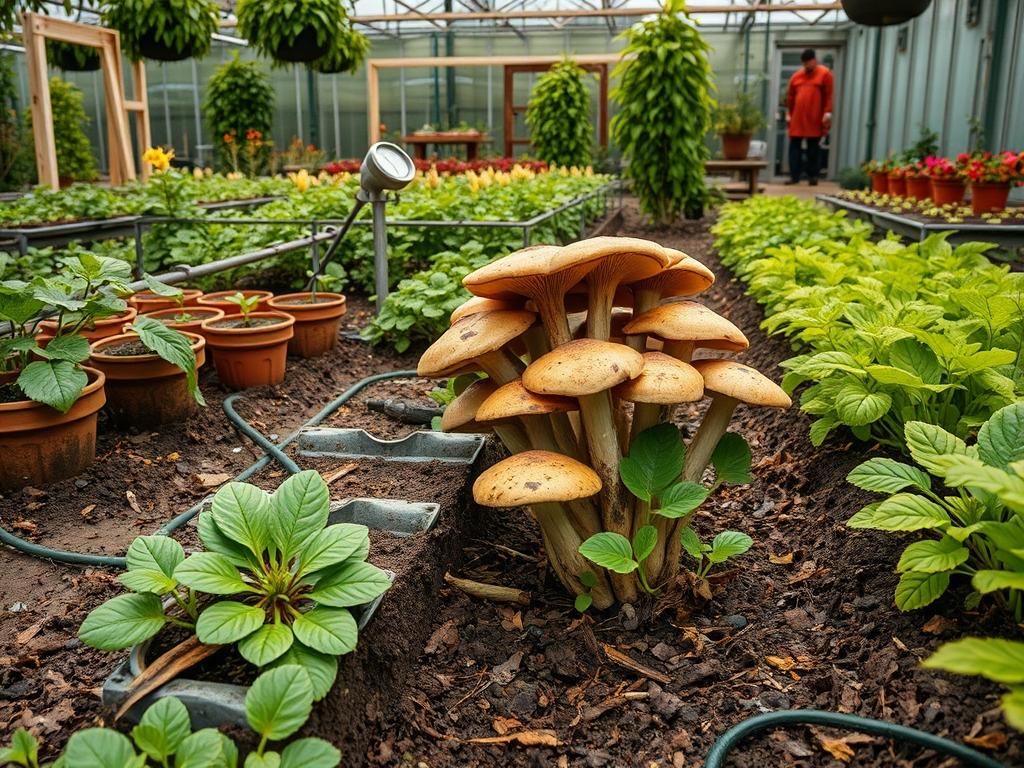
Integrating a functional mushroom production system into a professional landscape design requires a nuanced understanding of woodland ecology and structural site planning. Most homeowners view vegetable gardening and woodlot management as separate entities; however, harvesting garden shiitakes offers a unique opportunity to engage in a regenerative cycle known as staggered log replenishment. This process involves the selective thinning of onsite hardwood stands to produce fresh substrate for inoculation while simultaneously reaping the fungal rewards of previous years. From an architectural perspective, this creates a living installation that serves as both a food source and a textured, shaded retreat. Successfully harvesting garden shiitakes depends on the microclimate of the site, specifically the intersection of humidity, shade, and airflow. As a landscape architect, I treat the mushroom yard as an outdoor room where the floor is carefully graded for drainage and the walls are defined by the dense canopy of the overstory.
The challenge in modern residential landscaping is often the presence of “dead space” on the north side of a property or under heavy tree cover where traditional turf and ornamentals fail to thrive. By utilizing these areas for shiitake cultivation, we transform a maintenance burden into a productive asset. The aesthetic impact is significant; a well-organized rick of White Oak or Sugar Maple logs provides a rustic, sculptural element that grounds the garden in a sense of place. This approach also addresses the functional goals of forest health. By harvesting logs for your garden shiitakes, you are essentially performing “timber stand improvement,” removing crowded or suppressed trees to allow the dominant canopy trees more room to grow. This dual-purpose management strategy ensures that the landscape remains healthy while providing a consistent supply of the high-quality cellulose and lignin that shiitakes require.
Landscape Design Principles
When designing a space for harvesting garden shiitakes, symmetry and focal points play a vital role in elevating the project from a farm hobby to a professional landscape. I recommend a “linear rick” configuration or an “A-frame stack” to create visual lines that guide the eye through the shaded portions of the yard. Focal points can be established by using larger stumps inoculated with specialized strains, creating a permanent structural anchor within the garden. Elevation layers are equally crucial; the logs should never sit directly on the soil to prevent contamination from competing native fungi. Instead, we utilize gravel pads or heavy-duty pallets to elevate the stacks, which also aids in the ergonomic height for harvesting.
Walkways within the mushroom garden should be wide enough to accommodate a standard garden cart or wheelbarrow, typically 36 to 42 inches. These paths should be surfaced with organic materials like wood chips or crushed stone to maintain a clean environment and prevent soil compaction. Irrigation planning is the most technical aspect of the design. While shiitakes require high humidity, standing water is the enemy of wood longevity. A professional layout incorporates a micro-misting system or a dedicated hose bib located within 10 feet of the stacks. Visual balance is achieved by surrounding the log ricks with soft-textured, shade-loving plants that provide a lush backdrop to the rugged appearance of the timber.
Plant and Material Selection
| Plant or Material Type | Sun Exposure | Soil Needs | Water Demand | Growth Speed | Maintenance Level |
| :— | :— | :— | :— | :— | :— |
| White Oak Logs | Deep Shade | N/A (Substrate) | High (Soaking) | Slow (Decay) | Moderate |
| Sugar Maple Logs | Deep Shade | N/A (Substrate) | Moderate | Medium | Moderate |
| Christmas Fern | Full Shade | Well-drained | Moderate | Slow | Low |
| Ostrich Fern | Part/Full Shade | Moist/Rich | High | Fast | Medium |
| Wild Ginger | Full Shade | Acidic/Humus | Moderate | Slow | Low |
| Sweetgum Logs | Deep Shade | N/A (Substrate) | High | Fast (Decay) | Medium |
| Cast Iron Plant | Full Shade | Any/Tolerant | Low | Slow | Very Low |
Implementation Strategy
The implementation of a shiitake-focused landscape begins with site grading. You must ensure the area has a 2 percent slope to move excess water away from the logs, preventing the bottom layers from becoming waterlogged. Once the site is cleared of debris, lay down a weed barrier and cover it with a 3-inch layer of clean pea gravel or wood chips. Edging the area with 4×4 pressure-treated timbers or natural stone creates a clean transition between the mushroom yard and the rest of the managed landscape.
Next, identify the trees for your “harvesting logs” phase. Select healthy, live trees during the dormant season, typically late winter or early spring, when the sap is still in the roots but the sugar content in the wood is peaking. Aim for logs that are 4 inches in diameter and roughly 40 inches long; these dimensions are the industry standard for hand-manageable cultivation. After cutting, allow the logs to rest for two weeks to let the tree’s natural antifungal defenses dissipate. Inoculate with shiitake spawn plugs using a high-speed drill and a 12.5mm bit, spacing holes every 6 inches. Seal the sites with food-grade wax.
The final layout involves stacking the logs in a “low-crib” or “lean-to” style. This allows for maximum airflow while keeping the logs close to the ground where humidity levels are highest. As you harvest the mushrooms from older, fruiting logs, you should be preparing the next batch of fresh timber. This creates a “rotation of decay,” where the oldest logs eventually break down into rich compost for the surrounding ornamental ferns and ginger, completing the nutrient cycle.
Common Landscaping Failures
The most frequent mistake in mushroom gardening is poor drainage. If a log rick sits in a low spot where water collects, the logs will develop “butt rot,” and the shiitake mycelium will be choked out by anaerobic bacteria. Another common failure is root overcrowding from neighboring trees. While the shade of a large oak is beneficial, its surface roots can actually grow upward into the bottom of your mushroom logs if they are in direct contact with the soil. Always maintain an inorganic barrier, such as coarse gravel, between the earth and your substrate.
Improper spacing is a design flaw that leads to poor yields. If logs are packed too tightly, there is not enough air circulation to dry the bark between rain events. This leads to the growth of “weed fungi,” such as turkey tail or birch polypore, which compete with the shiitakes for nutrients. Soil compaction is also a concern; if the area around the logs is heavily trafficked without a proper walkway, the health of the overstory trees providing the shade will decline. Finally, irrigation inefficiencies often result from using overhead sprinklers that only wet the surface. To properly “shock” a log into fruiting, it must be fully submerged in a soak tank or subjected to a long, slow drenching that penetrates the inner heartwood.
Seasonal Maintenance
In the spring, maintenance focuses on inoculation and monitoring moisture. This is the primary window for harvesting logs from your woods and plugging them with new spawn. Ensure these fresh logs are kept in a “felled” position close to the ground to keep them from drying out during the initial colonization phase. As temperatures rise, check for any signs of bark peeling, which indicates the wood is drying too fast.
Summer maintenance is centered on “fruiting cycles.” To trigger a harvest of garden shiitakes, many architects recommend a “cold water shock.” Submerge mature logs in a tank of cold water for 24 hours. After removal, lean them vertically against a horizontal rail; this change in orientation and the sudden temperature drop signals the mycelium to produce mushrooms. During the hottest months, daily misting may be required to keep the humidity around the ricks above 60 percent.
Autumn is the season for natural fruiting as the rains return and temperatures dip. This is also the best time to evaluate your “log inventory.” Identify which logs are becoming soft or light in weight; these are reaching the end of their lifespan and should be moved to the “decomposition zone” of the garden. In winter, maintenance is minimal. The logs should be moved into a “low-stack” configuration and can even be covered with breathable landscape fabric or evergreen boughs to provide a buffer against extreme desiccation from winter winds. Use this time to sharpen your chainsaw and prepare for the next round of log harvesting in the late winter.
Professional Landscaping FAQ
What is the best wood for harvesting garden shiitakes?
White Oak and Sweetgum are the gold standards. Oak provides a dense nutrient profile for a long-lived log, lasting up to six years. Sweetgum is softer and produces mushrooms faster, though the logs decompose within three to four seasons.
How do I integrate a soak tank into a high-end landscape?
Conceal the tank using a stone veneer or a cedar utility enclosure that matches the home’s siding. Ensure the tank has a bottom drain connected to your site’s drainage system to prevent stagnant water and mosquito breeding.
Can I grow shiitakes under a pine canopy?
While deciduous shade is better, you can use pine canopy if you amend the ground. Pine needles can increase soil acidity, so ensure your logs stay elevated on gravel pads or treated lumber racks to avoid contact with the acidic forest floor.
How much space do I need for a productive shiitake garden?
A small “rick” of ten logs, which can produce several pounds of mushrooms per year, requires only a 4-foot by 6-foot footprint. This makes it an ideal solution for narrow side yards or small shaded urban courtyards.
What tools are essential for the harvesting process?
You will need a brushless drill, an inoculation tool, and a stainless steel knife for harvesting the mushrooms. For the wood management side, a lightweight chainsaw and a pair of logging tongs are necessary for safe log handling.