
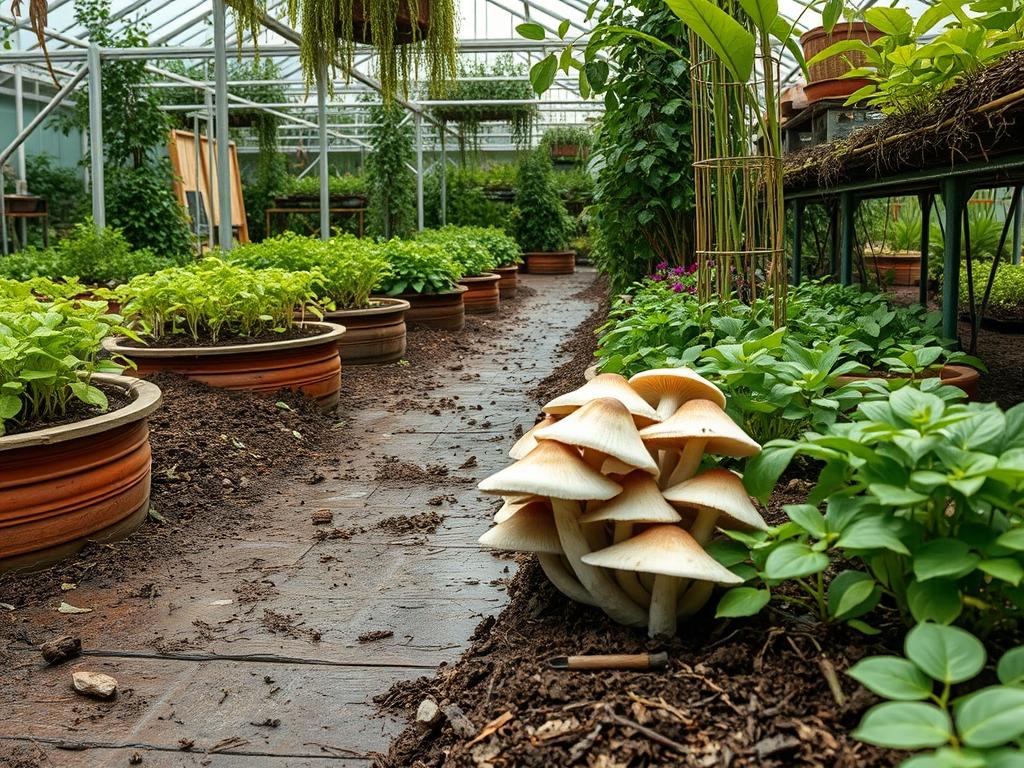
Integrating a functional, edible element into a professional landscape requires a sophisticated understanding of microclimates and site conditions. While traditional garden planning often prioritizes floral aesthetics or manicured turf, modern outdoor environment consultants are increasingly asked to bridge the gap between ornamentation and production. The best methods for picking fresh oyster mushrooms start not at the harvest, but during the initial site assessment and grading process. These fungi thrive in the damp, shaded recesses of a well designed backyard, often occupying the understory layers where typical sun loving perennials might fail. By treating the fungal colony as a specialized ground cover or a structured element within a wooded border, we enhance the ecological complexity of the property. This approach ensures that the landscape provides both structural beauty and a high yield of gourmet produce throughout the growing season.
The primary landscaping challenge when incorporating oyster mushrooms involves moisture management and light control. These organisms require high humidity and indirect light, conditions that are often found on the north side of a residence or beneath a dense canopy of native plants. Proper curb appeal is maintained by tucking production areas behind decorative retaining walls or screening them with architectural shrubbery. This keeps the functional components of the garden hidden from the street while providing easy access for the homeowner. Outdoor functionality is maximized when the harvest area is integrated into the primary circulation paths, allowing for the easy collection of mushrooms without stepping through muddy flower beds.
Landscape Design Principles
Symmetry and focal points are the cornerstones of high end landscape architecture. When designing for fungal integration, these principles help ground the space. A central stone fountain or a weathered granite bench can serve as a focal point, with mushroom logs or straw beds arranged in symmetrical patterns around it. This creates a sense of intention rather than randomness. Elevation layers are equally important. By utilizing terraced stone beds, a designer can create cooling tiers of soil and mulch that retain moisture more effectively than flat ground. This verticality also allows for better air circulation, which is vital for preventing unwanted mold while encouraging the growth of healthy oyster mushrooms.
Irrigation planning must be precise. Unlike a standard lawn that requires overhead spray, a landscape optimized for mushroom production benefits from a drip irrigation system with specialized misting nozzles. These should be zoned separately from the rest of the garden to maintain the specific saturation levels required for the wood logs or straw blocks. Walkways should be constructed from porous materials like decomposed granite or spaced flagstones to ensure that access for picking fresh oyster mushrooms remains clean and stable even in high moisture conditions. Visual balance is achieved by mixing the rugged textures of the mushroom substrates with the soft foliage of surrounding ferns or hostas.
Plant and Material Selection
Selecting the right materials is the difference between an eyesore and a professional installation. Use the following table to guide the selection of species and substrates that complement the fungal environment.
| Plant or Material Type | Sun Exposure | Soil Needs | Water Demand | Growth Speed | Maintenance Level |
| :— | :— | :— | :— | :— | :— |
| Pleurotus ostreatus | Full Shade | Cellulose-rich | High Humidity | Very Fast | Moderate |
| Polystichum munitum | Shade | Moist, Loamy | Moderate | Slow | Low |
| Hosta sieboldiana | Partial Shade | Rich, Organic | Moderate | Medium | Low |
| Hardwood Logs | N/A | High Density | Low Storage | N/A | High Durability |
| Aspen Wood Chips | N/A | pH Neutral | High Retention | N/A | High Turnover |
| Japanese Maple | Partial Sun | Well-drained | Moderate | Slow | Medium |
Implementation Strategy
The implementation of a professional fungal landscape begins with accurate grading and drainage analysis. You must ensure that the site slopes away from the home foundation while directing excess runoff toward a dedicated bioswale or drainage pit. Once the site is leveled, use a commercial grade level to ensure the area for the mushroom beds is flat to prevent lopsided moisture distribution. Edging is the next step. Use powder coated steel edging or tumbled Belgian blocks to create a crisp border between the mushroom production zone and the rest of the lawn. This prevents the spread of mycelium into areas where it is not desired and keeps the mulch neatly contained.
Mulch depth is a critical variable. For oyster mushrooms grown in wood chips, a depth of 6 inches to 8 inches is recommended to maintain internal moisture and temperature. If using the log method, anchor the hardwood logs into the soil at a slight angle of 15 degrees to facilitate water absorption and make picking easier. Hardscaping elements, such as a low stone wall, can also act as a heat sink, keeping the area cool during the heat of the day. In areas with poor native soil, a raised garden bed constructed from Western Red Cedar provides an isolated environment where the substrate can be controlled without interference from ground level contaminants.
Common Landscaping Failures
The most frequent failure in this specialized landscaping niche is improper drainage. If water pools around the base of the mushroom substrates, the mycelium will suffocate and rot. This usually stems from a failure to account for soil compaction during the construction phase. Use a broadfork to aerate the subsoil before installing any mushroom beds. Root overcrowding is another issue; if large trees are planted too close to the production area, their roots will outcompete the fungal colonies for moisture. Always leave a buffer of at least 3 feet between the drip line of a major shrub and the mushroom zone.
Improper spacing often leads to poor air circulation, which invites pests and decreases the quality of the harvest. Oyster mushrooms need “room to breathe” to develop the large, shelf like caps that are most desirable. Irrigation inefficiencies, such as using a standard oscillating sprinkler, often waste water and fail to penetrate the core of the mushroom logs. Finally, some landscapers fail to account for the breakdown of organic materials. As the hardwood logs or mulch decompose, the ground level will sink. This requires a replenishment strategy to maintain the aesthetic elevation of the garden.
Seasonal Maintenance
Spring is the time for inoculation and moisture setup. Inspect the irrigation lines for leaks and clear away any debris that may have accumulated over winter. Apply a fresh layer of wood chips if needed to maintain the desired depth. This is also the best time to check the integrity of wood retaining walls and replace any boards showing signs of structural failure. During the summer, the focus shifts to heat management. Increase the frequency of the misting system during heatwaves and ensure that the surrounding foliage provides enough shade to keep the substrates below 85 degrees Fahrenheit.
Autumn is the peak season for picking fresh oyster mushrooms. Maintenance during this period involves removing spent mushrooms to prevent “spore load” issues and ensuring that the falling leaves from deciduous trees do not smother the beds. In winter, the landscape must be “put to bed” by covering the beds with a breathable burlap fabric or a light layer of straw. This protects the dormant mycelium from extreme freeze-thaw cycles. Regularly check the hardscaping for frost heave and ensure that any standing water in the irrigation pipes is drained to prevent bursting.
Professional Landscaping FAQ
How do I choose the best spot for mushrooms?
Select a north facing area with consistent shade and proximity to a water source. Ensure the ground is well drained to avoid standing water, which can damage the mycelium and the surrounding landscape structures.
What is the best mulch for oyster mushrooms?
Aspen wood chips or shredded hardwood mulch are the gold standards. Avoid cedar or redwood mulches, as their natural oils contain antifungal properties that will prevent the oyster mushrooms from colonizing the area effectively.
Can I grow mushrooms next to ornamental flowers?
Yes, as long as the plants share similar moisture requirements. Ferns and hostas are excellent companions because they provide a leafy canopy that traps humidity, creating a perfect microclimate for the fungi to fruit.
How deep should my mushroom logs be buried?
If using the vertical “totem” method, bury the logs approximately 2 inches to 4 inches deep in the soil. This allows the log to wick moisture from the earth while keeping the majority of the wood above ground.
Does mushroom landscaping attract pests?
While the mushrooms themselves can attract fungus gnats or slugs, a healthy landscape with bird friendly shrubs and beneficial insects will naturally manage these populations. Keep the area tidy and avoid overwatering to minimize pest pressure.