
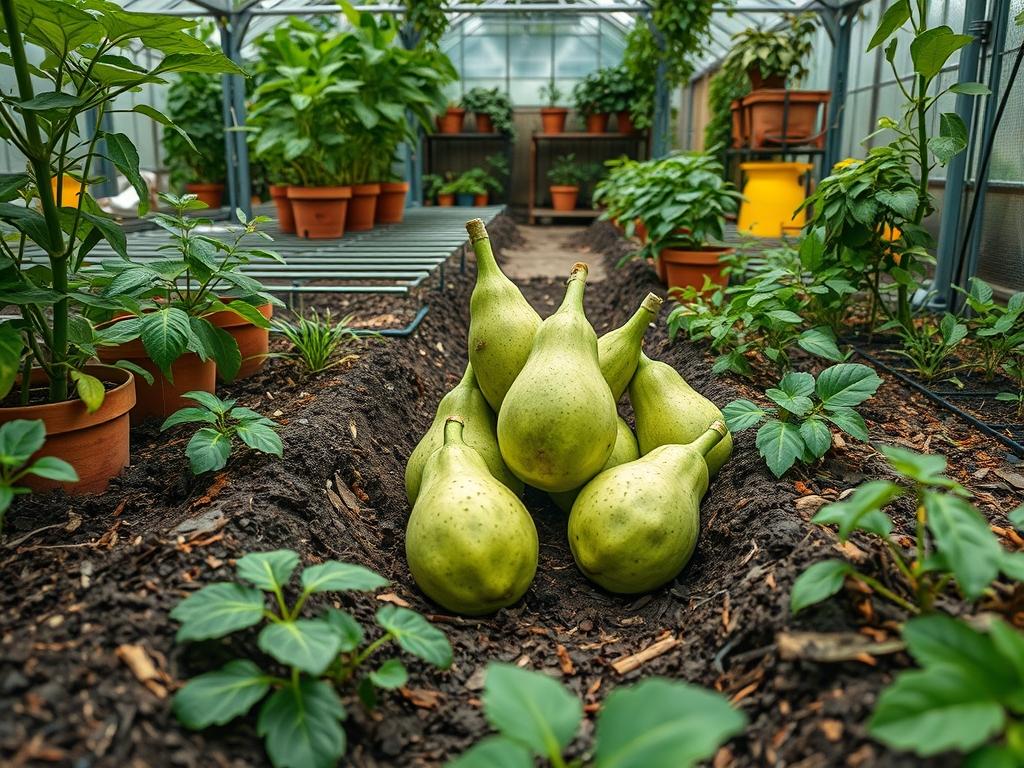
Cultivating the Asimina triloba represents a unique junction where high-end aesthetics meet temperate pomology. As a landscape architect, I often view the pawpaw not merely as a fruit tree, but as a critical structural component of the suburban understory. Its large, tropical leaves provide a lush texture that most native North American plants fail to replicate. However, the transition from aesthetic enjoyment to functional utility requires a mastery of timing. Harvesting garden pawpaws is the culmination of years of site preparation, soil management, and microclimate regulation. If the architect ignores the harvest cycle, the once-beautiful specimen becomes a liability; bruised fruit can attract unwanted pests and detract from the pristine nature of a well-manicured lawn or patio area.
Integrating these trees into a residential landscape involves more than just digging a hole. We must consider the multi-year trajectory of the plant. In the first three years, the tree requires significant shade to prevent leaf scorch, yet it needs full sun as it matures to maximize fruit production. This creates a paradox for the designer. We must place the pawpaw near taller Canopy trees or use temporary structures to provide the necessary UV protection. From a curb appeal perspective, the pawpaw offers a stunning autumnal display as its leaves turn a vibrant, buttery yellow. This adds a layer of seasonal interest that complements darker evergreens or stone-heavy hardscapes. Functional goals are equally important. By placing these trees in the mid-layer of a garden, we create privacy screens that double as an edible forest, though we must always prioritize drainage. Pawpaws thrive in river-valley conditions but will suffer in stagnant water.
Landscape Design Principles
Successful pawpaw integration relies on the principle of layers. In a professional layout, we treat the pawpaw as a focal point within a “guild” or a cluster. Because these trees are not self-fertile, you must plant at least two different cultivars to ensure cross-pollination. This necessity drives the symmetry of the design. Many designers opt for a staggered, asymmetrical grouping to mimic a natural woodland edge, which feels more organic and inviting than a rigid line of trees.
Elevation plays a subtle but vital role in how we perceive the garden. Planting pawpaws on a slight mound or a graded slope ensures that excess moisture moves away from the trunk flare, preventing fungal pathogens. We also use walkways to define the space around the trees. Since harvesting garden pawpaws requires close access to the canopy, a Flagstone or Decomposed granite path should lead directly to the specimen. This prevents soil compaction near the sensitive root zone. Visual balance is achieved by pairing the large, coarse texture of the pawpaw leaves with finer-textured companion plants like Sedge or Ferns. This contrast draws the eye toward the tree during the spring flowering phase, when the dark, maroon blossoms emerge.
Plant and Material Selection
Selecting the right cultivars is the foundation of a successful harvest. While wild varieties exist, grafted cultivars offer superior fruit size and flavor profiles. The following table outlines the requirements for a high-performing edible landscape.
| Plant Type | Sun Exposure | Soil Needs | Water Demand | Growth Speed | Maintenance Level |
| :— | :— | :— | :— | :— | :— |
| Sunflower Pawpaw | Full Sun to Part Shade | Deep, Rich, Loamy | Moderate to High | Moderate | Medium |
| Susquehanna Pawpaw | Full Sun | Well-drained, Acidic | High | Slow to Moderate | Low |
| Shenandoah Pawpaw | Full Sun | High Organic Matter | Moderate | Moderate | Medium |
| River Birch (Companion) | Full Sun | Moist, Acidic | High | Fast | Low |
| Christmas Fern | Shade | Moist, Humus-rich | Moderate | Slow | Low |
For the material side of the installation, we recommend Professional-grade landscape fabric only for underlayment of hardscape, never under the trees themselves. Instead, a 3-inch layer of double-shredded hardwood mulch serves as the primary ground cover. This mimics the forest floor, retains moisture, and slowly breaks down to acidify the soil.
Implementation Strategy
The implementation of a pawpaw-centric garden begins with a comprehensive site analysis. First, we address the grading. If the backyard has a low spot that collects water, we must install a French drain or a dry creek bed to redirect the flow. Pawpaws like moist soil, but the roots must breathe. Once the drainage is secured, we mark the planting sites with a Marking wand and Aerosol paint, ensuring at least 15 feet of spacing between different cultivars.
When digging the hole, it should be twice as wide as the root ball but no deeper. We use a Hand trowel to loosen the edges of the hole to prevent the “teacup effect” where roots circle internally. After placing the tree, we backfill with native soil amended with a small amount of Compost. Edging is then established using Steel landscape edging or a clean-cut spade edge to define the mulched area. This prevents lawn mowers from damaging the trunk. Harvesting garden pawpaws becomes significantly easier when the area beneath the canopy is clear of tall grass and weeds. Finally, we install a Drip irrigation system with 2-gallon per hour emitters to ensure consistent hydration during the critical mid-summer fruit-swelling period.
Common Landscaping Failures
The most frequent mistake in pawpaw landscaping is improper drainage management. Even if the surface looks dry, the subsurface clay can trap water, leading to root rot. Another common failure is neglecting the taproot. Most fruit trees have spreading roots, but the pawpaw has a deep taproot that is incredibly sensitive. If you move a mature tree, it will likely die. Therefore, site selection must be permanent.
We also see many homeowners fail by planting only one tree. Without a second genetic variety for pollination, you will have a beautiful tree but zero fruit. Furthermore, overcrowding is a major issue. Many gardeners underestimate the 20-foot spread of a mature pawpaw. When trees are planted too close to a house or a fence, they lean toward the light, creating an unbalanced and structurally weak canopy. Finally, irrigation inefficiency often kills young trees. A simple Sprinkler head is not enough; the water must penetrate deep into the soil to reach the lower roots.
Seasonal Maintenance
Seasonal care is what separates an amateur garden from a professional landscape. In the Spring, the focus is on fertilization and monitoring for the Zebra swallowtail butterfly larvae, which feed exclusively on pawpaw leaves. While some defoliation is acceptable, young trees may need protection. We apply a 10-10-10 slow-release fertilizer just as the buds begin to swell.
During the Summer, the priority shifts to hydration and inspecting the fruit. Harvesting garden pawpaws starts in late August or September, depending on the zone. A professional tip for determining ripeness is the “gentle squeeze.” If the fruit has the give of a ripe avocado and emits a tropical, yeasty aroma, it is ready. Never shake the tree vigorously, as this bruises the delicate flesh.
In Autumn, after the harvest, we focus on sanitation. Removing fallen, overripe fruit is essential to prevent the buildup of fungal spores and to discourage rodents. This is also the time to refresh the mulch layer. Finally, in Winter, we perform structural pruning. Using Bypass pruners, we remove any dead, damaged, or crossing branches to maintain an open canopy that allows light to reach the center of the tree.
Professional Landscaping FAQ
When is the best time for harvesting garden pawpaws?
The peak window usually occurs between late August and early October. Look for a slight color shift from bright green to a yellowish-tan. The fruit should feel soft to the touch and detach easily from the stem with a light tug.
How do I prevent my pawpaws from dropping fruit early?
Consistent moisture is the key. Use a Soaker hose during dry spells to prevent drought stress. Sudden changes in soil moisture can cause the tree to abort its fruit to save energy. Ensure at least 1 inch of water per week.
Do pawpaws need significant pruning to look good?
Generally, they require minimal pruning. Focus on removing the “three Ds”: dead, damaged, or diseased wood. Maintaining a single central leader helps the tree maintain its pyramidal shape, which is highly valued for formal landscape symmetry and structural integrity.
Can I grow pawpaws in a small urban backyard?
Yes, provided you have room for two trees. Look for dwarf or slower-growing cultivars like Shenandoah. Ensure the site receives at least six hours of sun and has been amended with Organic matter to replicate a forest floor environment.
What should I do with the area directly under the tree?
Keep it clear of turf. Use Woodchips or a low-growing groundcover like Wild ginger. This protects the trunk from mower damage, retains essential moisture for the shallow feeder roots, and provides a soft landing spot for any fruit that falls.