
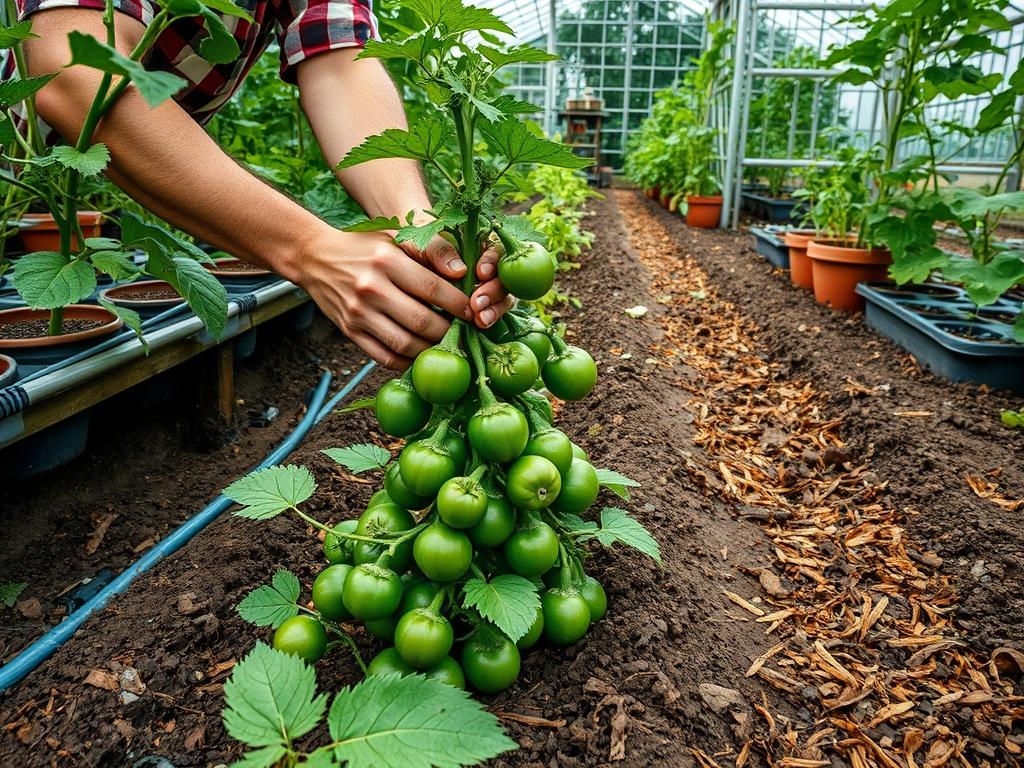
Integrating edible elements into a high-end residential landscape requires a delicate balance between aesthetic elegance and functional yields. While many homeowners prioritize ornamental shrubs or manicured lawns, the inclusion of a dedicated kitchen garden or a distributed edible border provides a unique sensory experience. Among the most rewarding species for the mid-summer palette is the tomatillo, a plant that offers both structural interest with its sprawling habit and a distinct culinary reward. However, the success of this integration depends heavily on the maintenance and harvesting phase. The primary challenge for many gardeners lies in the timing of the harvest, specifically in the process of Picking Fresh Tomatillos at the peak of their flavor and texture. Unlike a standard tomato, which signals its readiness through a vivid color change, the tomatillo relies on the physical expansion of its fruit against its protective outer casing. Mastering the identification of full husks ensures that the landscape remains productive and that the fruit maintains its signature tartness without becoming overly sweet or mushy.
From a landscape architecture perspective, the tomatillo plant contributes a wild, almost mediterranean texture to the garden. Its dusty green foliage and pale yellow blossoms create a soft visual transition between rigid hardscaping and more structured ornamental beds. Because these plants are indeterminate and tend to lean, they require thoughtful placement near retaining walls or within custom-fabricated trellises to prevent them from encroaching on walkways. When the plant reaches maturity, the hanging fruit resembles small lanterns, adding a vertical interest that few other vegetables can provide. To ensure these “lanterns” result in a high-quality yield, a designer must plan for accessibility. Pathways must be wide enough to allow for thorough inspection of the husks. A full husk is the primary indicator of maturity; it feels firm to the touch, and the fruit inside should occupy the entire volume of the papery calyx. If the husk feels hollow or airy when squeezed gently, the fruit has not yet reached its full potential.
Landscape Design Principles
A successful garden layout involving productive vegetables relies on several core principles of landscape design to ensure and functionality and visual appeal. Symmetry plays a major role in formal kitchen gardens, often referred to as potagers. By placing tomatillo plants in mirrored beds flanking a central focal point, such as a stone fountain or a sundial, you create a sense of intentionality. This prevents the garden from looking like a chaotic farm plot. Elevation layers are equally important. Since tomatillo plants can reach heights of 3 to 4 feet, they should be positioned in the “background” or center of a bed, with lower-growing herbs like Cilantro or Basil in the foreground. This layering creates a lush, tiered effect that masks the woody lower stems of the mature plants.
Effective irrigation planning is the backbone of any sustainable landscape. For tomatillos, which are prone to fungal issues if their foliage remains wet, a subsurface drip irrigation system is the professional standard. This delivers water directly to the root zone, maintaining consistent soil moisture which is vital for fruit development. Without steady hydration, the husks may fail to fill properly, or the fruit may crack once it finally receives water after a dry spell. Furthermore, visual balance is achieved by contrasting the papery, matte texture of the tomatillo husks against the glossy leaves of companion plants like Bell Peppers or Eggplants. This contrast ensures the garden remains visually stimulating even when the plants are not in peak bloom.
Plant and Material Selection
The following table outlines the specifications for integrating tomatillos and their essential support materials into a professional landscape plan.
| Plant or Material Type | Sun Exposure | Soil Needs | Water Demand | Growth Speed | Maintenance Level |
| :— | :— | :— | :— | :— | :— |
| Tomatillo (Physalis philadelphica) | Full Sun | Well-drained Loam | Moderate | Fast | Medium |
| French Marigolds | Full Sun | Adaptable | Low | Medium | Low |
| Cedar Trellis Blocks | N/A | N/A | N/A | N/A | Low |
| Aged Leaf Compost | N/A | Rich in Organics | N/A | N/A | N/A |
| Shredded Bark Mulch | N/A | N/A | N/A | N/A | Low |
| Drip Irrigation Tubing | N/A | N/A | N/A | N/A | Moderate |
Implementation Strategy
The transition from a design blueprint to a thriving garden requires a systematic implementation strategy. The first step in any backyard layout is site grading. Proper grading ensures that water moves away from the foundation of the home and prevents pooling in the planting beds. For tomatillos, a slight slope or a raised bed setup is ideal to facilitate drainage. Once the grade is established, professional-grade edging, such as Steel Edging or Paver Restraints, should be installed to define the boundaries between the turf and the garden. This keeps invasive lawn grasses out of the nutrient-rich soil intended for the vegetables.
After the infrastructure is in place, soil preparation begins. Incorporating 3 inches of Organic Compost into the top 8 inches of native soil provides the necessary nitrogen and phosphorus for vigorous growth. When planting, space the tomatillos at least 2 feet apart to allow for airflow, which reduces the risk of powdery mildew. As the plants grow, they must be secured to supports. Using Soft Garden Twine, the gardener should tie the main stems to the trellis as they ascend. This keeps the fruit off the ground and makes the process of Picking Fresh Tomatillos much easier. A mulch depth of 2 to 3 inches should be maintained throughout the season to suppress weeds and regulate soil temperature.
Common Landscaping Failures
One of the most frequent errors in garden planning is poor drainage. If the soil becomes waterlogged, the roots of the tomatillo will suffocate, leading to a stunted harvest and yellowing leaves. Another common failure is root overcrowding. While it is tempting to pack plants tightly for an immediate “full” look, this leads to competition for nutrients and moisture. In the case of tomatillos, overcrowding also makes it nearly impossible to identify which husks are full, as the inner branches become a tangled mess.
Improper spacing and failing to account for the mature width of the plant often lead to blocked walkways and a messy appearance. Furthermore, soil compaction from heavy foot traffic around the beds can prevent oxygen from reaching the roots. We recommend installing Stepping Stones or a Gravel Path to consolidate foot traffic. Finally, irrigation inefficiencies, such as using overhead sprinklers, can lead to blossom end rot or fruit splitting. A controlled drip system prevents these issues and ensures that the energy of the plant is directed toward filling those husks rather than fighting off disease.
Seasonal Maintenance
Landscape management is a year-round commitment that changes with the cycles of the sun and soil. In the spring, the focus is on soil preparation and planting after the last frost has passed. This is when the irrigation system should be tested for leaks and the timers set for the warming weather. Early summer is the time for “pinching back” the decorative tips of the plants to encourage a bushier habit, which will eventually lead to more fruiting sites. This is also when the first signs of the papery husks appear.
By mid to late summer, the primary task becomes Picking Fresh Tomatillos. You must inspect the garden every few days. Look for husks that have changed from a vibrant green to a pale, tan color. The most important indicator is the “fill.” When you gently squeeze the husk, it should feel like a firm ball is inside. If the husk has actually split open at the bottom, the fruit is at its maximum size and should be harvested immediately to prevent it from dropping to the ground. In autumn, once the harvest is complete, the plants should be removed to prevent pests from overwintering in the debris. Covering the beds with a layer of Winter Rye or a heavy application of Straw Mulch protects the soil structure until the following spring.
Professional Landscaping FAQ
How do I know when the husks are ready for picking?
The husk should feel tight and completely filled by the fruit inside. It often transitions from green to a straw-like color and may begin to split at the bottom seam, indicating the fruit has reached its full size.
Is it necessary to plant more than one tomatillo?
Yes, tomatillos are generally not self-fertile. To ensure successful pollination and a full harvest, you must plant at least two individual plants near each other so that bees can transfer pollen between them effectively.
What is the best way to support heavy tomatillo branches?
Use heavy-duty galvanized steel cages or a custom wooden trellis system. Because the fruit becomes heavy as the husks fill, traditional thin wire cages often collapse under the weight of a healthy, sprawling plant.
How can I prevent my tomatillos from tasting too bitter?
Bitterness is often a result of water stress or over-ripening. Ensure consistent moisture through drip irrigation and harvest the fruit as soon as the husk is full. If left too long, they lose their signature tartness.
Why are my husks empty even though the plant is large?
Empty husks, or “blanks,” often occur due to high temperatures or poor pollination. Ensure your landscape includes pollinator-friendly plants like Lavender or Salvia to attract the insects necessary for the fruit to develop inside the husks.