
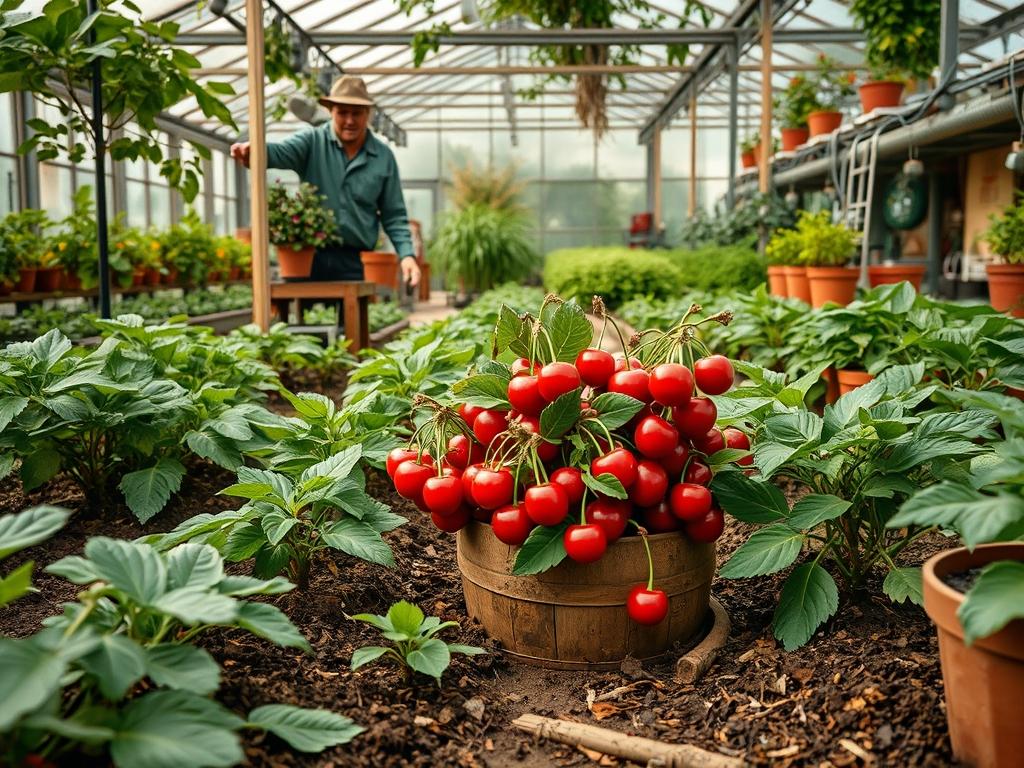
Integrating the unique fruiting habits of Physalis pruinosa into a high-end landscape requires more than just standard horticultural knowledge. It demands an architectural approach to ground management and site ergonomics. As a senior landscape architect, I look at the ground cherry not merely as a seasonal crop, but as a component of the edible estate that requires specific floor-level planning to be successful. The primary challenge with this species is its method of dispersal. Unlike the tomato or the pepper, which signal ripeness through color while still attached to the vine, the ground cherry drops its fruit to the earth once the sugar concentrations reach their peak. This creates a functional landscaping dilemma. If the area beneath the plant is not properly engineered, the harvest becomes a struggle against mud, pests, and rot. Achieving a balance between aesthetic curb appeal and the practical necessity of Harvesting Garden Ground Cherries requires a layout that facilitates easy access while maintaining the visual integrity of the garden bed.
The site selection for these plants should prioritize accessibility and cleanliness. In professional landscape design, we categorize the ground cherry as a low elevation spreader. Its sprawling canopy can reach widths of 3 feet or more, often hiding the ground beneath a dense veil of fuzzy, green foliage. If the soil is left bare, the fruit falls into the dirt, increasing the risk of mechanical damage and fungal infection. Therefore, we must plan the outdoor environment to provide a “soft landing” for the crop. This involves precise grading to ensure water does not pool at the base of the stems, as well as the selection of a ground cover or mulch that contrasts with the tan, papery husks of the fruit. By treating the area under the plant as a dedicated harvest floor, the landscape architect ensures that the garden remains both productive and pristine throughout the late summer and autumn seasons.
Landscape Design Principles
When integrating ground cherries into a larger garden plan, symmetry and layering are paramount. We typically place these plants in the middle ground of a tiered bed. They sit perfectly in front of taller structural elements like Lycopersicon esculentum (tomatoes) or trellised Phaseolus vulgaris (pole beans), while remaining behind low-profile herbs or stone edging. This creates a visual cascade that hides the legginess of the ground cherry’s lower stems while putting its intricate husks within easy reach. From a focal point perspective, the ground cherry offers a unique texture. Its lantern-like husks provide a delicate, architectural interest that contrasts well with the broader leaves of surrounding perennials.
Irrigation planning must be invisible yet highly effective. For the ground cherry, we avoid overhead sprinklers at all costs. Water hitting the falling husks can cause premature decomposition or staining. Instead, we implement a subsurface drip irrigation system with emitters spaced every 12 inches. This keeps the foliage dry and the ground surface stable. Furthermore, walkways should be designed with a minimum width of 24 inches between beds to allow the harvester to kneel or sit comfortably. I often recommend using flagstone or permeable pavers arranged in a geometric pattern to provide a stable, clean platform for the gardener. This prevents soil compaction, which is a major deterrent to root health and fruit production in high-traffic edible landscapes.
Plant and Material Selection
| Plant Type/Material | Sun Exposure | Soil Needs | Water Demand | Growth Speed | Maintenance |
| :— | :— | :— | :— | :— | :— |
| Physalis pruinosa | Full Sun | Well-drained, pH 6.2 | Moderate | High | Moderate |
| Pine Straw Mulch | N/A | Acidic to Neutral | Low | N/A | Low |
| Steel Landscape Edging | N/A | N/A | N/A | N/A | Minimal |
| Drip Tubing (0.5 inch)| N/A | N/A | N/A | N/A | Low |
| Common Marigold | Full Sun | Traditional Loam | Moderate | Fast | Low |
Implementation Strategy
The successful implementation of a ground cherry zone begins with the sub-grade preparation. Start by grading the area to a 2 percent slope away from the primary garden path to ensure adequate drainage. Once the area is leveled, install a high-quality Steel Landscape Edging to define the boundaries of the bed. This edging serves as a physical barrier that prevents the fruit from rolling into the lawn or onto gravel paths, where it might be crushed by foot traffic. After the edging is set, amend the soil with 3 inches of organic compost, tilling it to a depth of 8 inches. This provides the porous structure necessary for the plant’s extensive root system to thrive without becoming waterlogged during heavy rains.
Next, consider the “harvest floor.” The most effective strategy I have utilized in professional designs is the application of a 2-inch layer of fine-textured mulch, such as pine straw or shredded cedar. Avoid large bark nuggets, as the fallen husks can easily disappear in the crevices between the wood chunks. For an even more professional finish, some architects install a layer of breathable landscape fabric specifically under the drip line of the plant. This fabric can be swept clean of debris before the harvest begins, ensuring that every fallen cherry is visible and clean. When planting, space the seedlings at least 36 inches apart. This may seem excessive during the spring, but by July, the canopy will close, and improper spacing will make it nearly impossible to reach the fruit at the center of the bed.
Common Landscaping Failures
One of the most frequent mistakes in edible landscaping is the over-application of nitrogen-heavy fertilizers. In the case of the ground cherry, an excess of nitrogen results in massive vegetative growth with very little fruit set. The plant becomes a sprawling green monster that smothers its neighbors, while the few fruits it does produce are hidden deep within the foliage, where they rot after falling. I recommend a balanced 10-10-10 slow-release fertilizer at the time of planting, followed by a low-nitrogen, high-potassium supplement once the first flowers appear. This encourages the plant to prioritize reproductive growth over foliage expansion.
Another critical failure is poor drainage. If the garden bed is located in a low spot, the fallen fruit will sit in puddles after a rainstorm. The papery husks, or calyxes, act like sponges; they soak up moisture and hold it against the fruit. Within 24 hours, the cherry can develop mold or start to ferment. To fix this, ensure your landscape plan includes a proper exit strategy for surface water. This might involve a French drain or a slight elevation of the bed using a retaining wall. Lastly, ignoring the “volunteer” problem is a mistake. Ground cherries are prolific self-seeders. If you do not harvest every fallen fruit, you will find hundreds of seedlings in your walkways and flower beds the following year. A clean harvest is not just about food; it is about weed management.
Seasonal Maintenance
Seasonal management begins in the spring with soil testing and the installation of support structures. While ground cherries are technically sprawling, a low 18-inch circular tomato cage can help lift the central stems off the ground just enough to improve airflow and visibility for the harvest. By mid-summer, the focus shifts to moisture management. As the heat increases, the soil must remain consistently damp to prevent fruit drop before the cherries are actually ripe. Monitor the drip system for clogs and ensure the mulch layer remains intact to suppress weeds that would otherwise compete with the low-hanging fruit.
Autumn is the peak of the workload. This is when Harvesting Garden Ground Cherries becomes a daily ritual. The gardener should visit the site every morning to collect the fallen husks. If left too long, rodents or birds may discover the sweet bounty. Once the first hard frost kills the plant, the cleanup must be meticulous. Remove all spent vines and rake the mulch to ensure no stray fruit remains. In the winter, the landscape architect should evaluate the performance of the drainage and the integrity of the edging. If the soil has settled significantly, winter is the ideal time to top-dress the beds with compost in preparation for the next growing cycle. Use this dormant period to repair any hardscape elements that were damaged during the high-activity harvest season.
Professional Landscaping FAQ
How do I know when the ground cherries are ready?
The plant provides a built-in signal. The fruit will fall to the ground when it has reached its maximum sugar content. The husk will change from green to a straw-colored tan, indicating the fruit inside is ripe and sweet.
What is the best mulch for easy harvesting?
Use a fine-textured mulch like pine straw or shredded hardwood. Avoid large stones or coarse bark. A smoother, consistent surface allows the tan husks to stand out visually, making it much easier to spot and collect them daily.
Can I grow ground cherries in containers on a patio?
Yes, ground cherries thrive in 5-gallon containers. Ensure the pot has excellent drainage and use a high-quality potting mix. Place the container on a clean, light-colored saucer or patio surface to make the fallen fruit easy to see.
How do I prevent the fruit from rotting on the ground?
Maintain a dry surface under the plant canopy. Use drip irrigation rather than overhead watering. Ensure the soil is graded to prevent puddling and harvest the fallen fruit every 24 to 48 hours to minimize contact with soil moisture.
Why are my ground cherries staying green and not falling?
This usually indicates an excess of nitrogen or insufficient sunlight. Ground cherries require a minimum of 6 to 8 hours of direct sun. Reduce fertilization once flowers appear to encourage the plant to move into its fruiting phase earlier.