
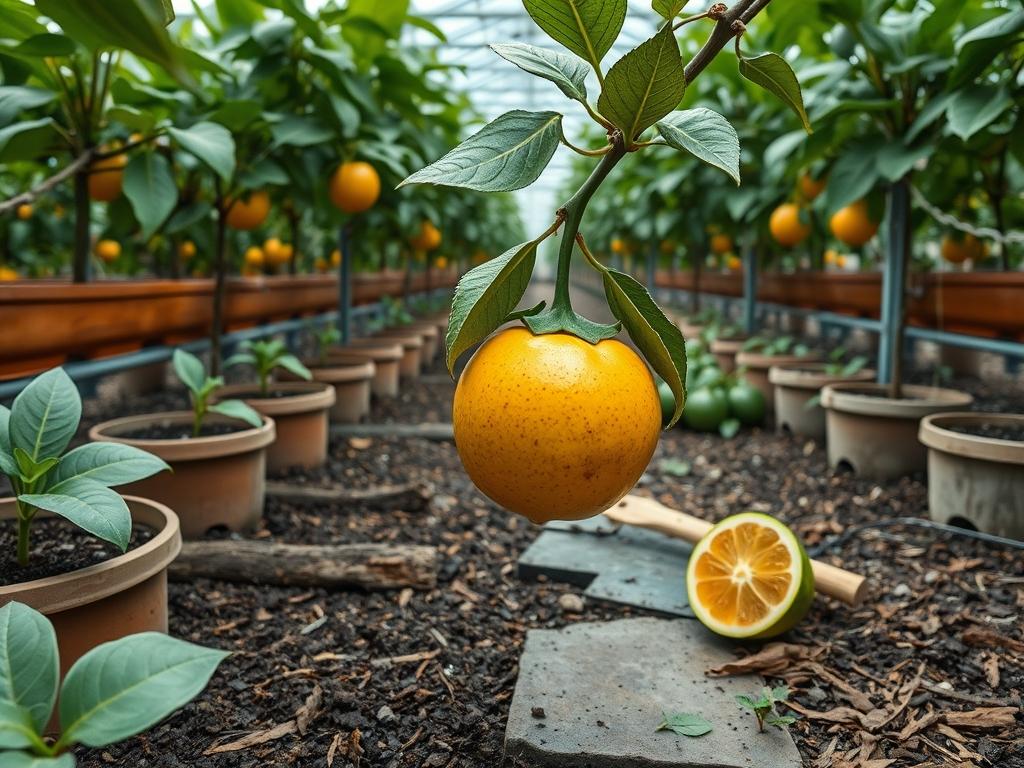
Incorporating the Starfruit tree, known botanically as Averrhoa carambola, into a residential landscape offers a unique blend of architectural beauty and edible rewards. This tropical evergreen is valued not only for its distinctive, star-shaped fruit but also for its drooping branches and fine-textured, pinnate foliage. As a landscape architect, I view the selection and placement of this species as a strategic decision that influences the microclimate and visual flow of a garden. Achieving a successful harvest while maintaining high curb appeal requires a deep understanding of site conditions, drainage, and the specific physiological cues that signal when the fruit has reached its peak sugar content. Picking ripe starfruit is the culmination of a well-executed design; it is the moment when the functionality of the outdoor space meets the sensory pleasure of the harvest.
Landscape Design Principles
Integrating a Starfruit tree into a professional landscape plan requires a focus on focal points and elevation layers. Given its height, which can reach 20 feet to 30 feet if not pruned, the tree serves as a mid-story canopy element. In a symmetrical garden layout, a pair of these trees can frame a transition point between a manicured lawn and a more naturalistic grove. I often recommend placing the tree in a location where it can be appreciated from a central Walkway, but far enough away that falling fruit does not create a slipping hazard or stain high-end Stone Pavers.
Visual balance is achieved by surrounding the tree with lower-level shrubs that can handle the dappled shade the canopy provides. Elevation plays a critical role here; because the tree is sensitive to “wet feet,” it should be planted on a slight mound or a raised area of the garden. This ensures that the root flare remains dry during heavy rain events. Furthermore, consider the wind. The wood of the Starfruit tree is relatively brittle. Design your landscape with a windbreak, such as a Vertical Trellis or a row of hardy Areca Palms, to protect the blossoms and developing fruit from high-velocity gusts. This protection ensures that the fruit remains on the branch until it reaches the golden-yellow hue necessary for a sweet harvest.
Plant and Material Selection
Selecting the right cultivars and supporting materials is essential for an edible landscape that remains productive and aesthetically pleasing year-round.
| Plant Type | Sun Exposure | Soil Needs | Water Demand | Growth Speed | Maintenance Level |
| :— | :— | :— | :— | :— | :— |
| Starfruit (Arkin) | Full Sun | Well-drained, Acidic | High | Fast | Moderate |
| Starfruit (Kari) | Full Sun | Silty Loam | High | Moderate | Moderate |
| Dwarf Ixora | Part Sun | Well-drained | Moderate | Slow | Low |
| Lemongrass | Full Sun | Sandy | Moderate | Fast | Low |
| Blue Ginger | Shade/Part Sun | Rich, Moist | High | Moderate | Medium |
To support these plants, use high-quality Hardscape Materials. For edging, Galvanized Steel Edging provides a clean, modern boundary that prevents turf grass from encroaching on the tree’s root zone. For the base of the tree, Premium Cedar Mulch or Pine Bark Nuggets are preferred to keep the soil pH in the slightly acidic range while suppressing weeds.
Implementation Strategy
The transition from a design on paper to a physical landscape involves precise execution. Begin by grading the site to ensure that water moves away from the foundation of the home and toward a designated Drainage Swale or French Drain. When you are ready to plant, excavate a hole that is at least two times as wide as the root ball but no deeper than the original container. This encourages lateral root growth, which provides better stability during storms.
Once the tree is in the ground, install a dedicated Drip Irrigation System. These trees require consistent moisture to produce juicy fruit, but overhead spraying should be avoided to prevent fungal issues on the leaves. Apply a layer of Mulch at a depth of 3 inches, making sure to keep the material at least 6 inches away from the trunk. This prevents bark rot and discourages rodents from nesting near the base. For the final touch, install low-voltage LED Path Lights around the perimeter. Uplighting the canopy of a Starfruit tree creates a dramatic evening focal point, highlighting the intricate leaf patterns and the hanging clusters of ripening fruit.
Common Landscaping Failures
The most frequent mistake in managing an edible landscape is poor drainage. If the soil becomes compacted, oxygen cannot reach the roots, leading to a decline in fruit quality and eventually tree death. Soil Compaction often occurs during the construction phase of a home; it is vital to aerate the soil before planting. Another common failure is improper spacing. Homeowners often plant Starfruit trees too close to Retaining Walls or fences. As the tree matures, the root pressure can crack masonry, and the lack of airflow between the tree and the wall creates a breeding ground for pests like scales and mealybugs.
Irrigation inefficiency is also a major concern. Over-watering during the final stages of fruit ripening can actually dilute the sugars in the fruit, leading to a bland flavor. Conversely, underwatering during the flowering stage will cause the tree to drop its blossoms before they can set fruit. Finally, many gardeners fail to prune for light penetration. If the interior of the canopy is too dense, the fruit in the center will not ripen evenly. You want the sun to reach every branch to ensure that when you are picking ripe starfruit, every piece is of uniform quality.
Seasonal Maintenance
Seasonal care is a rhythmic process that ensures the longevity of your outdoor environment. In the spring, apply a balanced Slow-Release Fertilizer with a micronutrient package containing iron, zinc, and manganese. This is also the time for light pruning to remove any dead or crossing branches. During the summer months, monitor the Irrigation closely as temperatures rise. This is the primary growing season for the fruit.
Autumn is typically the peak time for picking ripe starfruit in many tropical and subtropical regions. To identify a ripe fruit, look for a vibrant yellow color across the entire skin. The ribs, or the “fins” of the star, should remain firm but may show a slight hint of brown along the very edge. If the fruit is green, it will be tart and acidic; if it is deep orange and soft, it may be overripe. Use Pruning Shears or a gentle “Snap and Twist” motion to harvest. Avoid pulling directly on the branch, as this can damage the fruiting wood for next year. In the winter, reduce watering and avoid fertilizing to allow the tree to enter a period of slower growth. If a frost is predicted, wrap the trunk with Burlap and use Frost Blankets to protect the canopy, as temperatures below 30 degrees Fahrenheit can cause significant damage.
Professional Landscaping FAQ
How much space does a Starfruit tree need?
For a healthy landscape, provide a circular area with a diameter of at least 15 feet. This allows for canopy expansion and ensures that the tree does not compete with nearby structures or other large specimen plants for nutrients.
What is the best way to handle fruit drop?
Fallen fruit should be removed daily to prevent pests like fruit flies and to maintain the aesthetic of your Mulch beds. Decomposed fruit can also alter soil pH and create unpleasant odors near your outdoor living spaces.
Can I grow Starfruit in a large container?
Yes, certain dwarf varieties can thrive in a 30-gallon container. Ensure the pot has excellent drainage and use a high-quality Potting Mix. This is an ideal solution for patios or smaller urban gardens with limited soil access.
How do I know if my soil is acidic enough?
Perform a professional soil test to check for a pH between 5.5 and 6.5. If the soil is too alkaline, you can apply Elemental Sulfur or use acid-loving fertilizers to bring the levels down to the optimal range.
Does the tree require a second pollinator?
While many cultivars are self-fertile, having two different varieties can increase your fruit yield. Bees are the primary pollinators, so incorporating Native Flowers nearby will help attract these beneficial insects to your garden.