
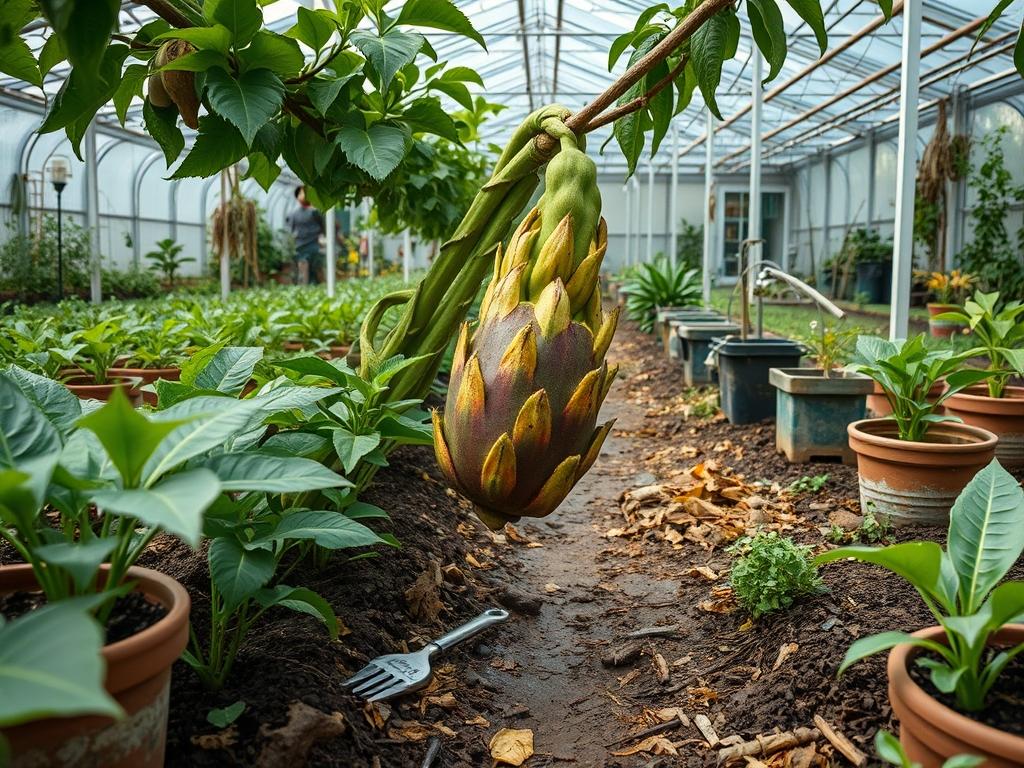
Harvesting garden dragon fruit represents the intersection of structural landscape design and high yield horticulture. When integrating the Hylocereus genus into a professional outdoor environment, the designer must weigh the striking aesthetic of the climbing cactus against the practical dangers of its spines and the specific timing dictated by fruit color. A well executed landscape plan ensures that these plants act as architectural focal points while remaining accessible for maintenance and harvest. The primary challenge lies in the physical nature of the plant. Because dragon fruit is a heavy, epiphytic cactus, the infrastructure supporting it must be robust enough to withstand significant weight while allowing the harvester enough clearance to navigate the sharp spines. From a curb appeal perspective, the transition of the fruit from a green immature state to a vibrant magenta or sunset yellow provides a dynamic color palette that shifts with the seasons.
Successful integration requires a deep understanding of the local microclimate and topography. Dragon fruit thrives in regions where temperatures remain above the freezing mark, yet they require protection from the most intense afternoon sun in desert environments. By utilizing specific elevation changes and strategic placement, a landscape architect can create a sensory experience that balances the rugged texture of the cactus stems with the delicate beauty of the nocturnal blooms. The goal is to create a space where the act of harvesting garden dragon fruit is not a hazardous chore but a seamless part of the outdoor living experience. This requires meticulous planning regarding walkway widths, drainage patterns, and the ergonomic height of the support structures.
Landscape Design Principles
In the realm of grand landscape architecture, symmetry and focal points define the visual hierarchy of the garden. When designing for dragon fruit, the use of vertical elements creates a layered effect that draws the eye upward. A common mistake is treating the cactus as a low level shrub; instead, it should be utilized as a climbing feature that adds height to the garden beds. Using 4×4 pressure treated posts or custom masonry pillars provides the necessary structural integrity for the heavy vines. These supports should be spaced at least 8 feet apart to ensure adequate airflow and to prevent the entanglement of spines, which complicates the harvest.
Elevation layers play a critical role in drainage and visual depth. Planting dragon fruit on raised mounds or within retaining walls ensures that the root systems are never submerged in standing water, a condition that leads to rapid root rot. From a functional standpoint, elevated beds bring the fruit closer to eye level. This makes it easier to monitor color changes and identify the exact moment the fruit is ripe. Furthermore, incorporating wide, paved walkways using decomposed granite or flagstone around the base of the supports allows the gardener to approach the plant from all sides with harvesting tools without brushing against the thorns.
Plant and Material Selection
| Plant or Material Type | Sun Exposure | Soil Needs | Water Demand | Growth Speed | Maintenance Level |
| :— | :— | :— | :— | :— | :— |
| Hylocereus undatus | Full Sun to Part Shade | Sandy, Well-Draining | Moderate | Fast | Medium |
| Hylocereus costaricensis | Full Sun | Rich, Loamy Mix | Moderate | Fast | Medium |
| Selenicereus megalanthus | Part Shade | High Organic Matter | Low to Moderate | Slow | High (Spiny) |
| Coarse River Sand | N/A | Aeration Tool | N/A | N/A | Low |
| Peat Moss | N/A | Moisture Retention | N/A | N/A | Medium |
| Organic Compost | N/A | Nutrient Boost | N/A | N/A | Medium |
Implementation Strategy
The transition from a design concept to a physical garden requires a systematic implementation strategy. The process begins with grading the site to ensure that water moves away from the structural supports. Once the topography is set, the installation of the vertical supports is the highest priority. These posts should be anchored at a depth of at least 24 inches in concrete to prevent leaning as the cactus matures. Around these pillars, a custom soil blend consisting of 40% compost, 40% sand, and 20% peat moss provides the ideal balance of drainage and nutrition.
When the infrastructure is in place, the focus shifts to the edging and mulch. Using metal garden edging creates a clean line between the cactus beds and the walkways, preventing the spread of weeds that would be difficult to remove from beneath the spiny vines. A 3 inch layer of wood chips or lava rock should be applied as mulch to regulate soil temperature. As the plants grow, they must be trained up the supports using soft garden tie tape. This ensures that the fruiting branches hang outward at a manageable height, usually between 4 feet and 6 feet, making the process of harvesting garden dragon fruit far safer. During the harvest itself, the use of long-handled pruning shears and thick leather gloves is mandatory to navigate the protective spines of the plant.
Common Landscaping Failures
The most frequent failure in dragon fruit landscaping is improper drainage planning. Because these plants are cacti, they are often mistakenly placed in xeriscapes with heavy clay soils without proper amendment. This leads to soil compaction and waterlogged roots, which can kill a mature plant in a single rainy season. Another significant error is underestimating the weight of a mature Hylocereus. Flimsy wooden trellises often collapse under the weight of hundreds of pounds of cactus arms, leading to a dangerous mess of broken, spiny vines that are nearly impossible to harvest safely.
Irrigation inefficiencies also plague many garden designs. While dragon fruit is drought-tolerant, consistent fruit production requires regular, deep watering during the flowering and fruiting cycles. A lack of a dedicated drip irrigation system with inline emitters can lead to fruit splitting or poor color development. Additionally, improper spacing frequently results in root overcrowding and a lack of sunlight penetration. If the interior of the plant does not receive light, it becomes a haven for pests and fungal diseases, which significantly reduces the quality of the harvest.
Seasonal Maintenance
Seasonal management is the key to a productive and aesthetically pleasing garden. In the spring, the focus is on nutrient replenishment. Applying a balanced 10-10-10 fertilizer encourages new growth and the formation of flower buds. This is also the time to prune any dead or overlapping branches to maintain the structural balance of the vine. As summer approaches and the flowering begins, monitoring the irrigation timers becomes crucial. Providing extra water during the heat of the summer ensures the fruit remains hydrated and reaches its maximum size.
Autumn is the primary time for harvesting garden dragon fruit. During this season, the gardener must be vigilant in checking the color of the skin. Most varieties are ready for picking when the skin turns completely from green to pink or red and the small scales, or wings, begin to wither. Once the harvest conclude, the plants should be lightly pruned to remove the spent fruiting wood. In the winter, maintenance shifts to protection. In cooler climates, wrapping the main trunks in burlap or using frost blankets protects the vascular system of the plant from freezing temperatures.
Professional Landscaping FAQ
How can I tell when dragon fruit is ready to harvest?
Look for a full color transition from green to vibrant pink or yellow. The fruit should feel slightly soft when pressed gently, and the small green fins or scales on the skin will begin to turn brown and dry out.
What tools are best for harvesting garden dragon fruit?
Always use sanitized pruning shears to make a clean cut at the stem. Never pull the fruit by hand, as this can damage the vine. Wear heavy-duty leather gloves and long sleeves to protect your skin from the sharp spines.
Can dragon fruit be grown in large containers?
Yes, but they require a minimum of a 20 gallon container with excellent drainage. You must still provide a heavy, stable trellis, as the plant will become top-heavy and could tip over during high winds or heavy fruiting.
How do I manage the spines during maintenance?
Maintain a clear “skirt” by pruning the lower branches of the cactus. This keeps the path clear and ensures that you can reach the base of the plant for weeding and fertilizing without coming into contact with the needles.
Why is my dragon fruit not changing color?
Lack of color change usually stems from insufficient sunlight or a lack of potassium in the soil. Ensure the plant receives at least 6 hours of direct sun and use a fertilizer high in potassium during the late summer months.