
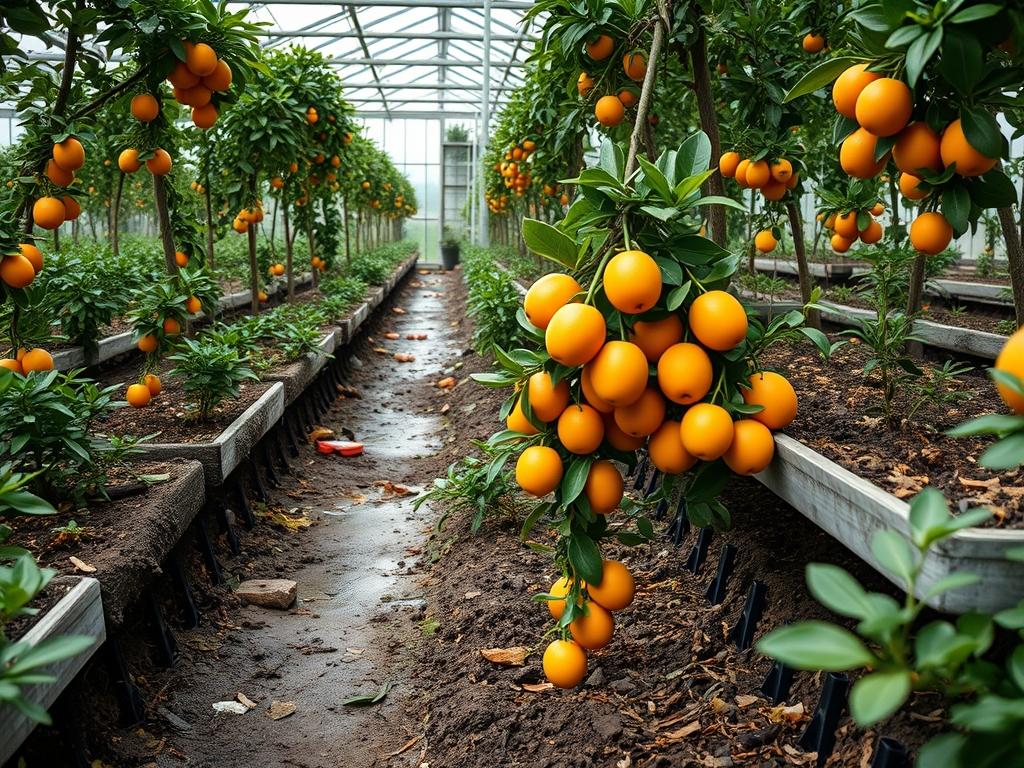
Integrating a fruit-bearing specimen like the kumquat tree into a high-end residential landscape requires a balance between aesthetic purpose and horticultural precision. Most property owners view citrus as a mere culinary addition, yet a Senior Landscape Architect sees it as a structural element that provides year-round evergreen density and vibrant seasonal color. The success of an edible landscape depends on the timing of the harvest, specifically ensuring that picking fresh kumquats occurs only when the skin is at its brightest hue. This brightness is not merely an aesthetic marker; it is a physiological signal that the essential oils in the rind and the sugars in the translucent flesh have reached peak equilibrium. When the skin reaches a deep, neon orange, the fruit provides the maximum sensory impact for the garden’s inhabitants, fulfilling the outdoor environment’s goal of functional luxury.
The climate remains the primary challenge when positioning these trees within a site plan. Kumquats are remarkably cold-hardy compared to larger citrus varieties, but they still require a strategic microclimate to thrive and produce the bright skin that signals ripeness. Architects must consider thermal mass, perhaps placing the Fortunella margarita near a south-facing retaining wall composed of dark natural stone or concrete. This positioning allows the wall to absorb solar radiation during the day and radiate heat at night, protecting the fruit from frost damage. Integrating these trees into the broader landscape also heightens curb appeal, as the contrast between the dark, glossy foliage and the bright orange fruit creates a natural secondary color palette that complements neutral architectural materials like slate or cedar.
Landscape Design Principles
In professional garden planning, symmetry and focal points dictate the flow of the outdoor space. A kumquat tree, with its naturally compact and rounded habit, serves as an excellent architectural focal point for small courtyards or as a repeating element in a formal orchard grid. To achieve visual balance, designers often use the principle of elevation layers. This involves placing the citrus tree as a mid-story element, perhaps anchored by a taller background of Cupressus sempervirens and fronted by lower-tier shrubs or groundcovers. This layering obscures the bare lower trunk and emphasizes the fruit-laden canopy.
Irrigation planning is equally vital to the design. A dedicated drip irrigation system must be zoned specifically for the citrus to ensure consistent moisture without oversaturating the root zone. Over-watering can lead to fruit splitting or a dulling of the skin color, which defeats the purpose of picking fresh kumquats at their peak. Walkways should be designed with a minimum width of 36 inches to allow for easy access during the harvest. Using permeable materials like decomposed granite or flagstone for these paths ensures that maintenance staff or homeowners can reach the trees without compacting the soil near the sensitive root flare.
Plant and Material Selection
Selecting the right cultivars and hardscape materials ensures the longevity of the installation. The following table outlines the requirements for a standard edible landscape palette centered around citrus.
| Plant Type | Sun Exposure | Soil Needs | Water Demand | Growth Speed | Maintenance Level |
| :— | :— | :— | :— | :— | :— |
| Nagami Kumquat | Full Sun | Well-drained loam | Moderate | Slow | Medium |
| Meiwa Kumquat | Full Sun | Sandy loam | Moderate | Slow | Medium |
| Meyer Lemon | Full Sun/Partial | Rich organic | High | Moderate | High |
| Dwarf Olive Tree | Full Sun | Rocky/Poor soil | Low | Slow | Low |
| Rosemary | Full Sun | Gritty/Dry | Low | Fast | Low |
For the hardscape, professional-grade landscape fabric should be avoided in favor of organic arborist mulch applied at a 3-inch depth. This choice supports soil biology and regulates temperature, which is essential for the tree to produce the sugars necessary for that bright, harvest-ready skin.
Implementation Strategy
The implementation of an edible landscape layout begins with meticulous grading. The site must be sloped at a minimum of 2 percent away from the primary residence and the tree’s root ball to prevent standing water. Once the grading is established, workers should excavate a hole twice the width of the root ball but no deeper than the nursery container. This prevents the tree from settling too deep, which can lead to collar rot.
Edging is the next step in the layout. Using a steel landscape edger or a poured concrete curb creates a clean transition between the turf and the citrus grove. This serves a dual purpose: it contains the mulch and prevents lawn equipment from damaging the sensitive bark of the trees. Once the trees are positioned, a subsurface drainage system using 4-inch perforated pipe and drain rock should be installed in areas with heavy clay soil. This ensures that the kumquats never sit in anaerobic conditions, which would otherwise result in pale, sour fruit. Finally, the application of a slow-release organic fertilizer with a high nitrogen and potassium ratio will provide the nutrients required for the fruit to develop that signature bright orange skin.
Common Landscaping Failures
One of the most frequent failures in garden planning is root overcrowding. Designing for the tree’s size at the time of installation rather than its mature spread leads to a lack of airflow and light penetration. This lack of light prevents the interior fruit from ripening, making the process of picking fresh kumquats difficult as one must hunt through dense, shaded foliage for the few bright specimens on the exterior.
Improper spacing also affects the efficient use of irrigation. When trees are placed too close to water-hungry turf, the citrus often receives too much surface water and not enough deep saturation. Soil compaction is another silent killer. In many residential builds, heavy machinery packs the earth so tightly during construction that the kumquat’s roots cannot access oxygen. Without oxygen, the tree enters a stress state, dropping its fruit before the skin can reach its peak brightness. Furthermore, many DIY installers fail to account for drainage mistakes, such as creating “bowls” with mulch that trap water against the trunk, leading to fungal infections.
Seasonal Maintenance
Maintenance requires a seasonal rhythm to ensure the landscape remains both beautiful and productive. During the spring, focus on light pruning and the removal of any water sprouts or suckers that sap energy from the fruiting branches. Applying a 2-inch layer of compost under the mulch line will provide a nutrient boost as the tree enters its primary growth phase.
Summer management involves monitoring the irrigation controller to adjust for heat waves. A soil moisture meter is a helpful tool during this time to ensure the root zone stays damp but not soggy. In autumn, as the fruit begins to size up, reduce nitrogen fertilization to prevent a flush of new growth that would be vulnerable to winter frost. This is also the time when the skin begins its color transition. Picking fresh kumquats should be delayed until the green tones disappear entirely. During the winter, providing frost blankets for young trees during extreme cold snaps is essential. If the fruit freezes on the branch, the skin will turn brown and the flavor will be lost, rendering the entire season’s work moot.
Professional Landscaping FAQ
How do I know if my kumquats are ready to harvest?
The fruit should be a solid, vibrant orange from top to bottom. It must feel slightly soft when given a gentle squeeze. If there is any green remaining near the stem, the sugars have not yet fully developed.
What is the best way to improve poor backyard drainage?
Install a French drain or create a dry creek bed using river rock. This redirects excess surface water away from the trees. Proper grading and the use of raised planting mounds also prevent roots from becoming waterlogged.
Can kumquat trees grow in large planters on a patio?
Yes, provided the container is at least 20 inches in diameter and has ample drainage holes. Use a high-quality citrus potting mix and ensure the tree receives at least six to eight hours of direct sunlight daily for fruit production.
Why is my kumquat tree dropping its fruit prematurely?
This is often caused by inconsistent watering or extreme temperature swings. A thick 3-inch mulch layer helps stabilize soil moisture and temperature. Ensure the tree is not being over-fertilized with high nitrogen during the peak fruiting window.
Should I prune my kumquat tree into a specific shape?
Pruning should focus on maintaining an open center to allow sunlight and airflow. This prevents pests like scale or mealybugs from colonizing the interior. While they can be hedged, a natural rounded shape yields the most fruit.