
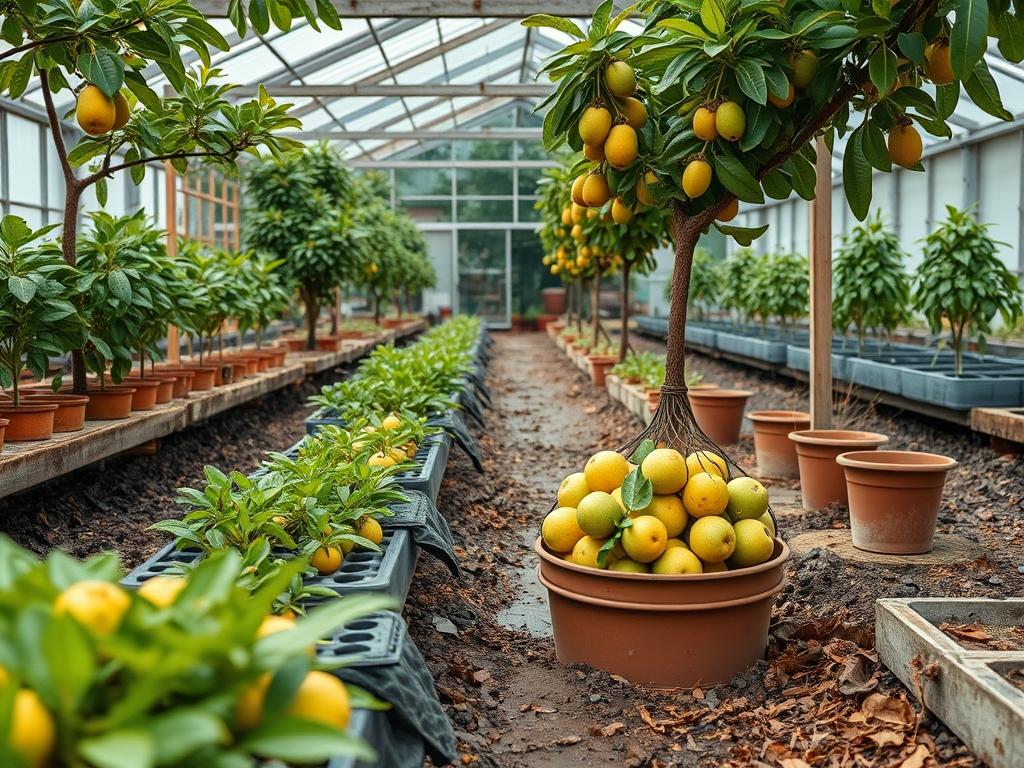
The integration of fruit-bearing trees into a formal or semi-formal landscape requires a delicate balance between aesthetic beauty and utilitarian productivity. When we consider the Loquat (Eriobotrya japonica), we are dealing with a species that offers a dense, evergreen canopy, fragrant autumn blooms, and a bountiful spring harvest. However, the primary challenge for any landscape architect is managing the transition from a decorative ornamental to a high-yield food source. Without proper planning, the falling fruit can become a slipping hazard or a nuisance for hardscape maintenance. The goal is to design an environment where Harvesting Garden Loquats is a seamless part of the outdoor experience, ensuring that the fruit is collected at its peak for jams and pies while the surrounding landscape remains pristine and structurally sound.
Climate considerations are paramount for the Loquat, as it thrives best in USDA hardiness zones 8 through 10. In these regions, the tree serves as a mid-story focal point that provides deep shade and privacy. From a curb appeal perspective, the large, leathery leaves offer a tropical texture that contrasts beautifully with fine-foliaged shrubs and delicate groundcovers. By treating the orchard as a functional extension of the living space, we can use these trees to define outdoor rooms, create natural cooling zones, and provide a seasonal rhythm that connects the homeowner to the land.
Landscape Design Principles
Integrating the Loquat into a professional landscape design involves more than just digging a hole. We must apply principles of symmetry and focal points to ensure the tree looks intentional. Placing a Loquat tree as a singular specimen in a large lawn area creates a powerful visual anchor. Alternatively, using them in a row along a property line provides a structural screen that changes color and texture throughout the year.
Elevation layers are critical in this process. Because Loquats grow to heights of 15 to 25 feet, they occupy the upper-middle layer of the garden. To achieve visual balance, one should plant a mid-tier layer of shrubs like Dwarf Gardenia or Pittosporum, followed by a low-lying groundcover. This layering prevents the “lollipop” look where a bare trunk stands alone.
Furthermore, the design must prioritize accessibility for Harvesting Garden Loquats. If the tree is buried behind a dense thicket of thorny shrubs, the fruit will likely go unharvested, leading to decay and pests. I recommend installing wide Flagstone Walkways or Decomposed Granite Paths that lead directly to the base of the tree. This not only facilitates the harvest but also provides a stable surface for Step Ladders or Fruit Pickers.
Irrigation planning must be site-specific. While mature trees are somewhat drought-tolerant, consistent moisture is necessary during the fruit-set period in late winter and early spring. We often design a dedicated Drip Irrigation Line for the tree’s root zone, separate from the surrounding turf. This allows for precision watering that increases fruit size and sugar content, essential for high-quality jams and pies.
Plant and Material Selection
| Plant or Material | Sun Exposure | Soil Needs | Water Demand | Growth Speed | Maintenance Level |
| :— | :— | :— | :— | :— | :— |
| Loquat Tree | Full Sun to Partial Shade | Well-drained, loamy | Moderate | Fast | Medium |
| Rosemary | Full Sun | Sandy, alkaline | Low | Moderate | Low |
| Pine Bark Mulch | N/A | N/A | N/A | N/A | Annual Replacement |
| Daylilies | Full Sun to Part Shade | Rich, moist | Moderate | Fast | Low |
| River Rock | N/A | N/A | N/A | N/A | Very Low |
| Star Jasmine | Part Shade | Adaptable | Moderate | Fast | Medium |
Implementation Strategy
The successful implementation of a garden designed for Harvesting Garden Loquats begins with proper site grading. The area around the tree must be graded to ensure that water drains away from the Trunk Flare, as standing water can lead to collar rot. Once the grading is established, we define the “Harvest Zone.” This is a radius of approximately 6 to 8 feet from the trunk where the majority of the fruit will fall.
Instead of traditional turf grass, which can be difficult to clean when fruit drops, I suggest using a combination of Steel Edging and a thick layer of Hardwood Mulch. A 3 inch layer of mulch suppresses weeds and provides a soft landing spot for fruit that falls prematurely. For a more formal look, a Retaining Wall can be built on the downhill side of the tree to create a level terrace. This makes the harvest much safer and more efficient.
Hardscaping elements should be kept back at least 5 feet from the trunk to allow for future root expansion. If a patio is required nearby, consider using Permeable Pavers. These allow oxygen and water to reach the roots while providing a clean, flat surface for the processing of the harvest. Placing a garden bench or a bistro set nearby turns the orchard into a destination, encouraging the homeowner to spend time inspecting the ripening fruit.
Common Landscaping Failures
One of the most frequent mistakes in residential landscapes is root overcrowding. Homeowners often plant companion shrubs too close to the Loquat trunk, leading to competition for nutrients and water. This competition often results in smaller, more acidic fruit that is less desirable for baking. A minimum clearance of 4 feet from the trunk for any woody shrubs is a professional standard.
Improper spacing between trees is another common issue. A Loquat has a spread of nearly 15 to 20 feet. If planted too close to a house or a fence, the canopy will grow lopsided, making one side of the fruit inaccessible. Furthermore, poor drainage is a silent killer. If the soil is heavy clay, the tree may survive but will produce inferior fruit through a process of chronic stress.
Irrigation inefficiencies often manifest as over-watering. If the irrigation system is not adjusted for the seasons, the tree may receive too much water during the ripening stage. This can cause the fruit skins to split, inviting fungal infections and insects. Finally, a lack of Mulch leading to soil compaction is a major failure. Compacted soil prevents the tree from taking up the calcium and potassium required for the structural integrity of the fruit.
Seasonal Maintenance
Seasonal management is the key to a successful harvest for jams and pies. In Spring, the focus is on thinning. If the tree is overloaded with fruit, the individual loquats will be small and mostly seed. By removing about 20 percent of the clusters, you ensure the remaining fruit grows large and succulent. This is also the time to apply a high-nitrogen Organic Fertilizer to support the coming year’s growth.
Summer is the primary season for Harvesting Garden Loquats. Once the harvest is complete, it is time for structural pruning. Use Bypass Pruners to remove any water sprouts or crossing branches. This opens up the center of the tree to light and air, which is vital for the development of next year’s flower buds.
In Autumn, the tree will begin to bloom. This is the time to refresh the Mulch to protect the roots from the coming cold. If the weather is unseasonably dry, deep watering is required to support the blooming process. In Winter, the fruit begins to develop. In colder regions within the Loquat’s range, a temporary wrap of Frost Cloth may be necessary if temperatures drop below 25 degrees Fahrenheit for extended periods.
Professional Landscaping FAQ
When is the best time for Harvesting Garden Loquats?
Harvesting should occur when the fruit turns a deep yellow or orange color and feels slightly soft. For jams and pies, pick them when they have a balanced sweetness but still retain a bit of tartness.
How do I manage the mess from fallen Loquat fruit?
Design a “Clean Zone” using River Rock or Large Pavers under the canopy. This makes it easy to sweep or hose away any fruit that was not harvested in time, preventing stains on decorative stone or concrete.
Can I grow Loquats in a small suburban backyard?
Yes, but you should select a grafted variety known for a more compact habit. Regular Pruning is essential to keep the height under 10 feet, ensuring that all fruit remains within easy reach for the homeowner.
What is the best mulch for a Loquat tree?
A coarse Pine Bark Mulch or Wood Chips is ideal. These materials break down slowly, adding organic matter to the soil while maintaining the aeration necessary for healthy root development and high-quality fruit production.
How do I protect my harvest from birds and pests?
In a professional landscape, Bird Netting can be used, though it is often visually unappealing. A better architectural solution is to plant distracting species like Mulberries nearby or use shiny Reflective Tape within the canopy during the ripening weeks.