
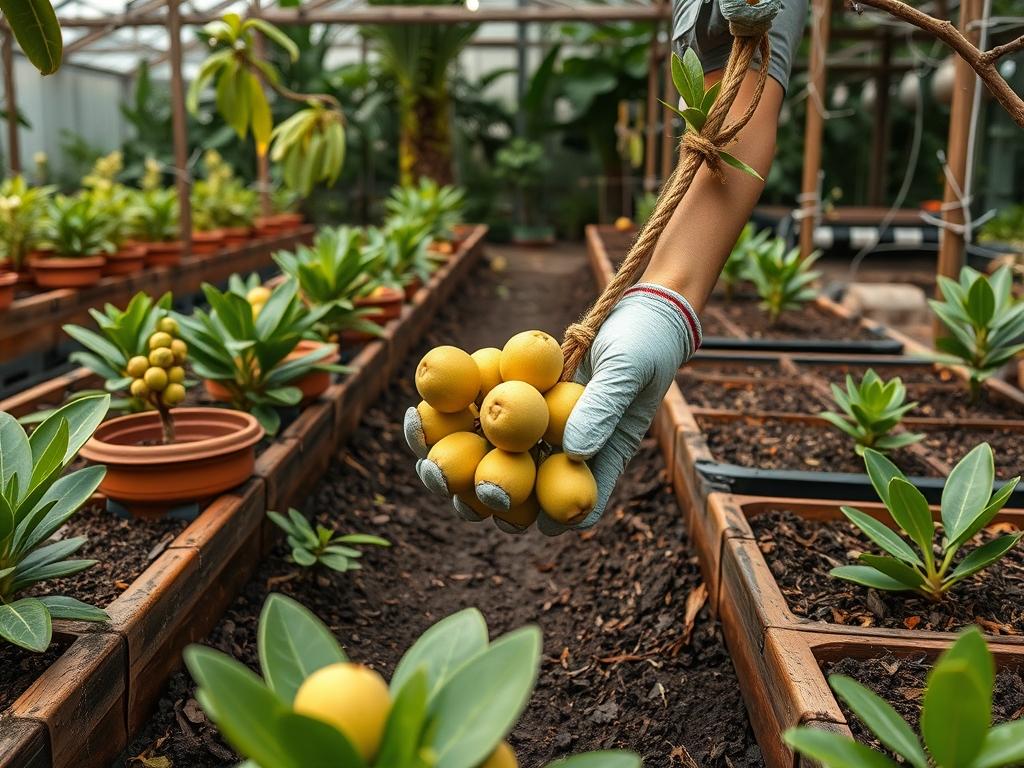
Integrating a productive orchard into a high-end residential landscape requires a delicate balance between agricultural functionality and aesthetic sophistication. The modern property owner often seeks more than just a manicured lawn; they desire a multi-functional environment where the transition from a formal garden to a fruiting grove is seamless. When the primary objective involves Picking Fresh Macadamias as they drop, the ground plane becomes the most critical element of the design. A well-executed landscape architecture plan ensures that the harvesting process does not degrade the visual appeal of the estate, but rather enhances the outdoor living experience. This challenge necessitates a deep understanding of site orientation, soil mechanics, and the specific physical requirements of the Macadamia integrifolia species.
The primary landscaping challenge when incorporating nut-bearing trees into a functional yard is the management of the debris field. As macadamias ripen, they drop naturally, often over a period of several weeks. If the area beneath the canopy is cluttered with thick groundcovers or uneven turf, the nuts become lost, leading to pest issues and a messy appearance. Therefore, the design must prioritize a clean, accessible surface. Beyond utility, the curb appeal of the property rests on the tree’s health and the structural integrity of its surrounding environment. In subtropical climates, where these trees thrive, we must account for high rainfall and the potential for soil erosion, which can expose delicate surface roots. By engineering a landscape that accommodates the harvest cycle, we create an outdoor space that is both productive and prestigious.
Landscape Design Principles
Symmetry and visual hierarchy serve as the foundation for any professional garden layout. In a landscape designed for Picking Fresh Macadamias, the tree itself should serve as a secondary focal point, anchored by structural elements that guide the eye and the foot. We utilize radial symmetry around the base of the tree to create a dedicated harvest zone. This zone is typically defined by a permanent border, such as a Steel Edging or a low Stone Retaining Wall, which keeps the harvest area distinct from the primary lawn or ornamental flower beds. By creating a physical boundary, we prevent the “drifting” of natural debris into specialized entertainment areas.
Elevation layers are equally vital for both drainage and accessibility. The ground beneath a Macadamia tree should be slightly crowned, sloping away from the trunk at a 2 percent grade to ensure that water does not pool at the root flare. This elevation strategy also makes it easier to use tools like a Wire Nut Roller or a Nut Wizard, as the gentle slope prevents nuts from accumulating in low-lying muddy pockets. Furthermore, the inclusion of wide, paved walkways nearby allows for the movement of heavy harvest bins or machinery without compacting the soil near the tree’s drip line. Visual balance is achieved by counteracting the dense, dark green canopy of the tree with lighter-colored ground materials, such as Decomposed Granite or finely screened Wood Chip Mulch, which makes the dark husks of the fallen nuts easy to spot.
Plant and Material Selection
The following selection highlights the components necessary for a resilient and productive harvest environment.
| Plant or Material Type | Sun Exposure | Soil Needs | Water Demand | Growth Speed | Maintenance Level |
| :— | :— | :— | :— | :— | :— |
| Macadamia integrifolia | Full Sun | Well-Drained Loam | Moderate | Slow-Medium | Moderate |
| Lomandra longifolia | Full to Part Sun | Adaptable | Low | Moderate | Very Low |
| Grevillea (Low Spreading) | Full Sun | Sandy/Loamy | Low | Fast | Low |
| Decomposed Granite | N/A | Compacted Base | N/A | N/A | Medium |
| Hardwood Mulch | N/A | N/A | N/A | N/A | Annual Top-up |
| Zoysia Grass | Full Sun | Well-Drained | Low-Moderate | Slow | Medium |
Implementation Strategy
Planning a backyard layout for an efficient harvest begins with rigorous site grading. Before any planting occurs, the soil must be leveled and sloped to manage runoff. We recommend excavating the top 4 inches of soil within the drip line and replacing it with a specialized soil mix that balances organic matter with drainage-enhancing aggregates. Once the grading is complete, install a durable Aluminum Edging or Concrete Curb to define the perimeter. This prevents invasive grass species from encroaching on the harvest zone, which would otherwise make Picking Fresh Macadamias difficult.
The choice of ground cover within this perimeter is paramount. For a high-end look, a 3-inch layer of Crushed Quartz or Refined Bark provides a clean backdrop for the harvest. If a natural look is preferred, a tightly knit Zoysia Grass turf can be maintained at a low height of 1.5 inches during the harvest season. Beneath the surface, an automated Drip Irrigation System should be installed. This system delivers water directly to the root zone without wetting the surface, which keeps the fallen nuts dry and prevents the growth of mold or fungi during the drop period. Finally, the inclusion of a dedicated staging area with a Level Concrete Pad provides a space for sorting and de-husking the nuts immediately after collection.
Common Landscaping Failures
The most frequent mistake in orchard-integrated landscaping is root overcrowding. Designing too many companion plants near the base of the tree creates competition for nutrients and obscures the ground for harvest. Additionally, improper spacing between trees can lead to a closed canopy that prevents sunlight from reaching the lower branches, ultimately reducing the nut yield. Soil compaction is another significant failure, often caused by heavy foot traffic or the use of lawn mowers on wet soil. Compacted soil restricts oxygen flow to the roots, leading to a decline in tree vigor.
Drainage mistakes often result in the loss of a harvest. If the area around the tree is concave, rainwater will accumulate, causing the fallen macadamias to rot within days. This is particularly problematic in clay-heavy soils. Furthermore, the use of a mulch that is too thick, exceeding 5 inches, can bury the nuts as they fall, making them nearly impossible to retrieve. Lastly, failing to account for the acidic nature of the fallen husks can lead to localized soil pH imbalances, which may harm less resilient companion plants. Regular soil testing is required to maintain the 5.5 to 6.5 pH range that macadamias prefer.
Seasonal Maintenance
Seasonal management is the key to a healthy landscape and a successful harvest. In the spring, apply a balanced Slow-Release Fertilizer with trace elements like boron and zinc, which are essential for nut development. This is also the time to inspect the Irrigation Filters and ensure that the lines haven’t been damaged by frost or root growth. As we move into summer, moisture management becomes the priority. While the nuts are sizing up, the tree requires consistent hydration. We recommend an Infrared Thermometer to check leaf temperature, ensuring the tree isn’t under heat stress.
Autumn is the peak season for Picking Fresh Macadamias. The maintenance schedule shifts to daily or bi-weekly collection to prevent rodents from stealing the crop. The ground should be kept clear of leaves and twigs using a High-Powered Leaf Blower. After the harvest is complete, winter is the ideal time for structural pruning. Remove any vertical “water sprouts” and thin out the interior of the canopy to improve airflow. This is also the period for refreshing the Mulch Depth and repairing any damage to the Walkways or Retaining Walls caused by the year’s activity. By following this cycle, the landscape remains a crisp, professional environment year-round.
Professional Landscaping FAQ
How often should I collect macadamias once they start dropping?
During the peak drop period, you should gather nuts at least twice a week. Frequent collection prevents moisture damage, limits pest interference, and ensures the Macadamia nuts remain at their highest culinary quality before they are cured.
What is the best ground material for easy nut visibility?
A light-colored Decomposed Granite or a very short-mown Zoysia turf offers the best contrast. Avoid dark, chunky mulches or thick groundcovers like Ivy, as these can easily hide the nuts and complicate the mechanical harvesting process.
Do I need an irrigation system for a single tree?
Yes, professional results require consistency. An Automatic Drip System ensures the tree receives deep hydration without creating surface mud. This stability is crucial during the nut-filling stage in summer and prevents the tree from dropping immature fruit.
Can I use a lawn mower to pick up the nuts?
No, a standard lawn mower will shatter the shells and damage the kernels. Instead, use a Manual Nut Roller or a Soft-Bristle Push Broom to gather the crop into manageable piles for collection on a flat, clean surface.
How do I prevent the soil from becoming too acidic?
Harvested husks should be removed from the site or composted elsewhere. Leaving them to decompose beneath the tree can lower the pH excessively. Apply a light dusting of Agricultural Lime every two years based on professional soil test results.