
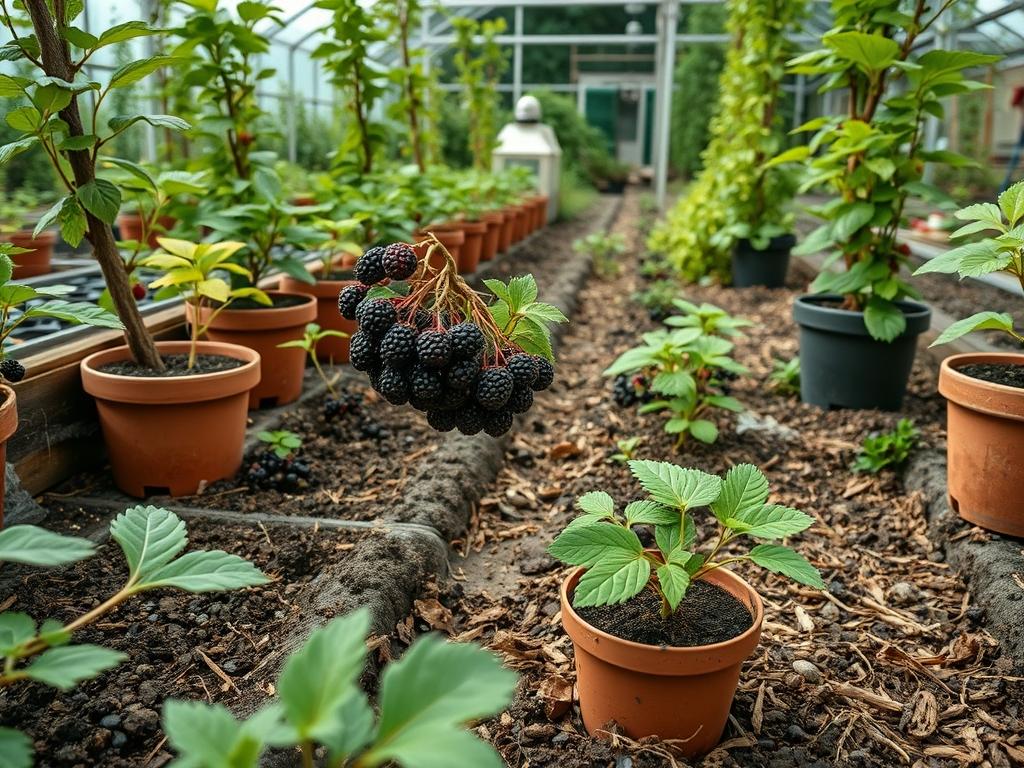
Integrating native flora into a modern residential landscape requires a sophisticated balance between aesthetic intent and ecological function. When homeowners and property managers express interest in edible gardens, the selection often turns to the Thimbleberry, known botanically as Rubus parviflorus. This deciduous shrub offers a unique architectural profile with its massive, maple-like leaves and thornless stems, making it an ideal candidate for high-traffic transition zones. Unlike traditional raspberries, the foliage of this plant provides a lush, velvet-textured backdrop that can hide unsightly foundations or provide soft screening along property lines. The real value of the plant, however, lies in its fruit. Picking Fresh Thimbleberries is a delicate art that must be accounted for during the initial design phase. Because the berries are exceptionally fragile, the landscape must be engineered to provide easy access, ensuring the fruit can be harvested at the peak of ripeness without damaging the surrounding soil or companion plantings.
Landscape Design Principles
Successful integration of edible natives starts with proper spatial organization and the application of core design principles. Symmetry plays a vital role in formalizing what might otherwise be a wild-looking plant. By flanking a Stone Walkway with identical clusters of Thimbleberry, we create a sense of intentionality and rhythm. Focal points should be established by placing these shrubs where their large, white, five-petaled flowers can be appreciated in late spring. These blooms can reach 2 inches in diameter, acting as a natural magnet for pollinators and providing visual interest long before the fruit appears.
Elevation layers are another critical consideration. In a professional landscape, we often use Retaining Walls or raised tiers to bring the fruit closer to eye level. This is not merely an aesthetic choice; it is a functional one. Raising the planting beds by 18 inches to 24 inches simplifies the process of Picking Fresh Thimbleberries. It reduces the need for crouching and protects the delicate root systems from accidental foot traffic. Visual balance is achieved by pairing the broad, matte leaves of the berry bushes with finer-textured plants, such as ornamental grasses or ferns, which prevents the garden from looking overly heavy or monolithic. Irrigation planning must be subterranean to avoid wetting the foliage, which can lead to fungal issues in the dense canopy.
Plant and Material Selection
The following table outlines the technical requirements for a successful native berry installation. Proper selection ensures the longevity of the landscape and the quality of the harvest.
| Plant Type | Sun Exposure | Soil Needs | Water Demand | Growth Speed | Maintenance Level |
| :— | :— | :— | :— | :— | :— |
| Thimbleberry | Partial Shade | Well-Drained Loam | Moderate | Fast | Low to Medium |
| Sword Fern | Full Shade | Organic Rich | Consistent | Medium | Very Low |
| Salal | Sun to Shade | Acidic/Peaty | Low once set | Slow to Medium | Low |
| Red Osier Dogwood | Full Sun/Part | Wet to Moist | High | Fast | Medium |
| Vine Maple | Part Shade | Well-Drained | Moderate | Medium | Medium |
Implementation Strategy
The transition from a design on paper to a physical landscape requires a methodical implementation strategy. We begin with site grading to ensure that water moves away from the home’s foundation while maintaining enough moisture for the berry thickets. Drainage is the most common point of failure. If the soil is heavy clay, we incorporate Perlite or Coarse Sand to a depth of 12 inches to improve porosity.
Once the grade is set, we define the beds using Steel Edging or Basalt Cobbles. This prevents the Thimbleberry from spreading via its underground rhizomes into areas where it isn’t wanted. When planting, we spaced the shrubs 3 feet to 4 feet apart to allow for mature spread without overcrowding. A 3-inch layer of Arborist Wood Chips or Aged Hemlock Mulch is applied across the surface. This mulch regulates soil temperature and suppresses weeds, which is vital because the shallow roots of the berry bushes do not compete well with aggressive grasses.
The strategy for Picking Fresh Thimbleberries must be explained to the user as part of the landscape hand-off. Because these berries are hollow and lack a solid core, they are the softest of all wild fruits. The best method involves a light cupping motion. One should never pull the berry; instead, if it is truly ripe, it will fall into the palm with the slightest touch. We recommend using shallow, wide-bottomed Harvesting Baskets to prevent the weight of the fruit from crushing those at the bottom.
Common Landscaping Failures
One of the most frequent errors I see in outdoor environments is improper spacing leading to root overcrowding. When Thimbleberry plants are packed too tightly, airflow is restricted, leading to powdery mildew and poor fruit production. Another significant issue is soil compaction. During construction, heavy machinery shouldn’t be allowed within the drip line of the planting zones. Compacted soil prevents oxygen from reaching the roots and inhibits the plant’s ability to take up water effectively.
Irrigation inefficiencies also plague many native landscapes. While these plants are hardy, they require consistent moisture to produce plump fruit. Overwatering, however, is just as dangerous. Saturated soil leads to root rot, characterized by yellowing leaves and a lack of vigor. Finally, many gardeners fail to account for the “creep” of native species. Without proper Root Barriers or regular edge maintenance, a controlled edible garden can quickly become an unmanageable thicket, making the act of Picking Fresh Thimbleberries a frustrating experience of fighting through dense brush.
Seasonal Maintenance
To keep the landscape looking professional and the berry yield high, a seasonal maintenance schedule is mandatory. In the spring, apply a balanced, organic Compost to the base of the plants just as the first buds appear. This provides a slow-release nutrient boost. Check the Drip Irrigation system for leaks or clogged emitters to ensure the plants stay hydrated as the weather warms.
During the summer, the focus shifts to Harvesting and Picking Fresh Thimbleberries. This usually occurs between July and August depending on the local microclimate. The fruit does not ripen all at once, so the site must be visited every two or three days. In autumn, once the plant has gone dormant, we perform corrective pruning. Remove any dead, damaged, or diseased canes at the ground level using Bypass Pruners. Since these shrubs fruit on second-year wood, avoid clear-cutting the entire patch or you will sacrifice the following year’s harvest. Winter maintenance is minimal, involve mainly refreshing the Mulch to protect the crown from deep freezes and clear away any fallen debris that could harbor pests.
Professional Landscaping FAQ
What is the best time of day for Picking Fresh Thimbleberries?
Harvest in the early morning after the dew has evaporated but before the heat of the day. This ensures the fruit is firm and cool, which slightly extends its very short shelf life.
How do I know if a thimbleberry is ripe?
A ripe berry will turn a deep, consistent crimson and feel slightly soft. It should separate from the central white receptacle with almost no resistance when lifted upward by the hand.
Do Thimbleberries require specialized fertilizers?
No, they thrive in slightly acidic to neutral soil. A yearly application of Leaf Mold or well-rotted Compost is usually sufficient to maintain the soil health required for vigorous growth and fruiting.
How do I stop the plants from spreading into my lawn?
Install a Root Barrier made of heavy-duty plastic or metal, buried at least 12 inches deep. Alternatively, use a sharp Spade to cut around the perimeter of the patch annually to sever outward-growing rhizomes.
Why are my thimbleberries falling apart when I pick them?
This is a natural characteristic of the species. They are much more fragile than commercial raspberries. Using a soft, light touch and shallow containers is the only way to keep the fruit intact during the harvest.