
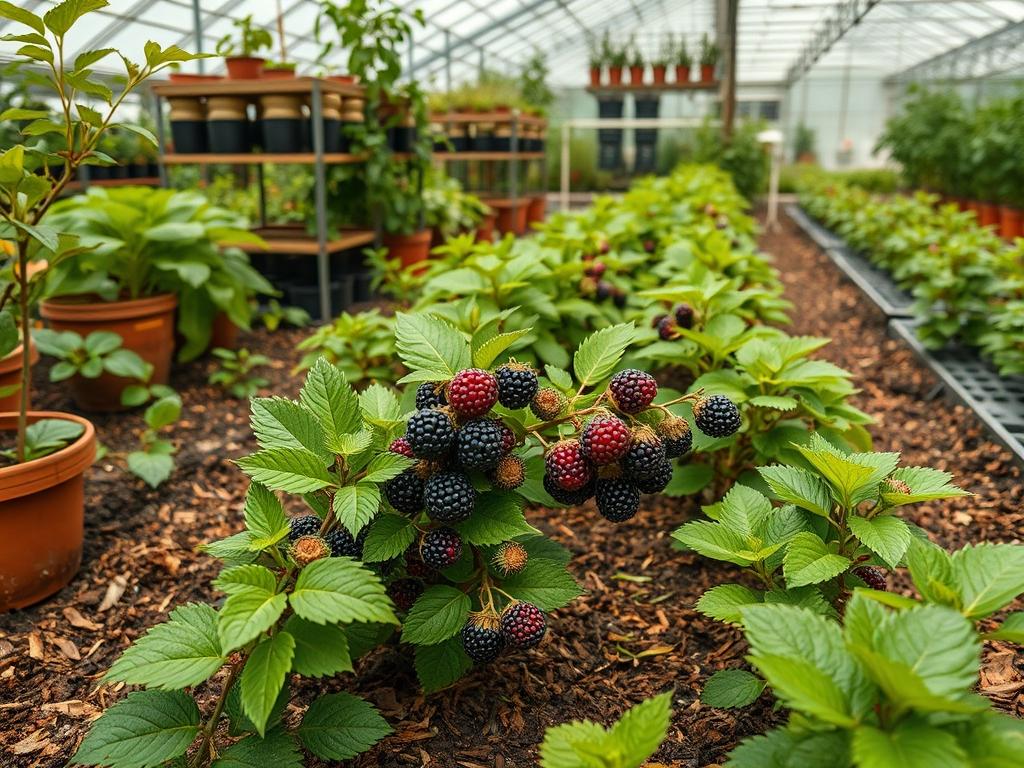
The integration of native fruit-bearing shrubs into a sophisticated landscape design requires a balance between aesthetic appeal and functional utility. Silver Buffaloberry, or Shepherdia argentea, serves as an exceptional choice for homeowners seeking drought-tolerant, nitrogen-fixing plants that offer year-round visual interest. These shrubs are particularly prized in regions with harsh winters and alkaline soils, where other ornamental species might struggle. However, the successful execution of Harvesting Garden Buffaloberries depends largely on the initial architectural placement and the microclimate created within the garden. A well-planned landscape using these shrubs not only enhances curb appeal with their unique silvery-grey foliage but also provides a sustainable source of tart, nutrient-dense fruit. Because these plants are dioecious, meaning male and female flowers reside on separate plants, the landscape architect must strategically group them to ensure pollination while maintaining the desired visual symmetry of the outdoor environment.
Landscape Design Principles
When designing a landscape that incorporates Shepherdia argentea, one must consider the principles of elevation and layering to create a sense of depth. These shrubs typically reach heights of 8 to 15 feet, positioning them as ideal mid-layer elements in a three-tier planting scheme. By placing lower-growing perennials in the foreground and taller deciduous trees in the background, the architect creates a focal point that draws the eye through the space. The silver foliage provides a striking contrast against darker evergreen backdrops, such as Juniper or Spruce, making the buffaloberry a powerful tool for visual balance.
Functionality is just as important as aesthetics. Because Silver Buffaloberry stems are protected by sharp thorns, they should be utilized as natural security hedges or windbreaks rather than being placed directly adjacent to high-traffic walkways. Planning for adequate clearance of at least 4 feet from the edge of any path ensures that the harvest remains accessible without creating a hazard for guests. Furthermore, irrigation planning must account for the plant’s preference for well-drained soil. Over-saturation can lead to root rot, so incorporating slight elevation changes or French drains into the garden layout is essential for long-term health.
Plant and Material Selection
Selecting the right variety and supporting materials is the foundation of a low-maintenance garden. The following table outlines the specifications for common garden buffaloberry varieties and their requirements.
| Plant Type | Sun Exposure | Soil Needs | Water Demand | Growth Speed | Maintenance Level |
| :— | :— | :— | :— | :— | :— |
| Silver Buffaloberry | Full Sun | Alkaline/Sandy | Low | Medium | Low |
| Russet Buffaloberry | Partial Shade | Acidic/Moist | Moderate | Slow | Medium |
| Canada Buffaloberry | Full Sun | Well-drained | Very Low | Medium | Low |
| Organic Mulch | N/A | Wood chips | N/A | N/A | Annual application |
| Drip Irrigation | N/A | PVC/Emitters | N/A | N/A | Bi-annual check |
Implementation Strategy
The transition from a design on paper to a physical landscape requires a systematic implementation strategy. First, the site must be graded to ensure that water moves away from the foundation of the home and toward the planting zones. While buffaloberries are hardy, they benefit from a high-quality starter fertilizer and a soil test to determine the pH levels. If the soil is excessively acidic, a professional might recommend an application of lime to bring the environment closer to the alkaline preference of the Silver Buffaloberry.
Once the grading is complete, the location of each shrub should be marked with landscape flags. To guarantee fruit production, ensure a ratio of at least one male plant for every five to seven female plants. Dig holes that are twice as wide as the root ball but no deeper, ensuring the crown is level with the soil surface to prevent trunk rot. After planting, a 3-inch layer of wood chip mulch should be spread around the base of the shrubs, leaving a 2-inch gap around the actual stem to facilitate airflow. This mulch layer regulates soil temperature and retains the minimal moisture these plants require. Edging material, such as natural stone or powder-coated steel, can be used to define the garden beds and prevent turf grass from encroaching on the root zones.
The actual process of Harvesting Garden Buffaloberries occurs late in the season, typically after the first or second hard frost. Frost is a critical catalyst in the ripening process; it breaks down the high concentrations of tannins and increases the sugar content of the fruit. To harvest efficiently, lay a clean heavy-duty tarp or landscape fabric beneath the shrub. Using a wooden pole or a rubber mallet, gently strike the main branches to dislodge the berries. This method is far more efficient than hand-picking, as it avoids the sharp thorns and allows you to collect large quantities of fruit in a short time.
Common Landscaping Failures
One of the most frequent errors in garden planning is improper spacing, leading to root overcrowding. When plants are placed too close together to achieve an immediate “full” look, they eventually compete for nutrients and water, which stunts fruit production and increases susceptibility to disease. For Silver Buffaloberry, a minimum spacing of 8 to 10 feet between centers is recommended. Another common failure is neglecting the drainage requirements. If the garden is located in a low-lying area with heavy clay, the lack of oxygen in the soil will drown the roots; installing a retaining wall or a raised bed can mitigate this issue effectively.
Irrigation inefficiencies also plague many residential landscapes. While buffaloberries are drought-tolerant once established, they need consistent moisture during their first two years. Installing a drip irrigation system with 2-gallon per hour emitters ensures that water goes directly to the roots rather than being lost to evaporation. Finally, many gardeners fail to identify the sex of their plants during the dormant season, leading to disappointment when no fruit appears. Always purchase plants from a reputable nursery where the male and female specimens are clearly labeled.
Seasonal Maintenance
Maintaining a professional landscape requires a calendar-based approach to care. In the spring, apply a light dressing of compost and check the drip lines for clogs or leaks. This is also the time to perform light structural pruning, removing any branches that have been damaged by heavy snow loads during the winter. Avoid heavy pruning in the spring, as this can remove the flower buds necessary for the autumn harvest.
Throughout the summer, monitor for pests, although buffaloberries are remarkably resistant to most common garden insects. The primary task is ensuring that the mulch depth remains consistent to suppress weed growth. As autumn approaches, decrease the watering frequency to allow the wood to harden off in preparation for the cold. The harvest begins after the thermometer drops below freezing, usually in late October or November. Post-harvest, the winter months are the ideal time for major rejuvenative pruning. Removing the oldest third of the stems every three years will encourage the growth of new, vigorous fruiting wood.
Professional Landscaping FAQ
When is the best time for Harvesting Garden Buffaloberries?
You should wait until after the first significant frost of the season. The freezing temperature converts the bitter tannins into sugars, making the fruit much more palatable for jellies and sauces.
Do I need more than one buffaloberry plant for fruit?
Yes, these shrubs are dioecious. You must plant at least one male shrub in close proximity to your female shrubs to ensure the wind can effectively transfer pollen between the flowers in early spring.
What is the best mulch for buffaloberry shrubs?
A coarse wood chip mulch or shredded cedar is ideal. These materials provide excellent insulation for the root system and break down slowly, gradually adding organic matter back into the soil over several years.
Can buffaloberries be used as a formal hedge?
While they can be sheared, they are best suited for informal, naturalistic hedges. Frequent heavy shearing may reduce the number of fruiting nodes, which negatively impacts your success in Harvesting Garden Buffaloberries.
How do you manage the thorns during maintenance?
Always wear leather gauntlet gloves and heavy canvas sleeves when working inside the canopy. Using long-handled loppers and pruning saws allows you to maintain the shrub’s structure while keeping a safe distance from the thorns.