
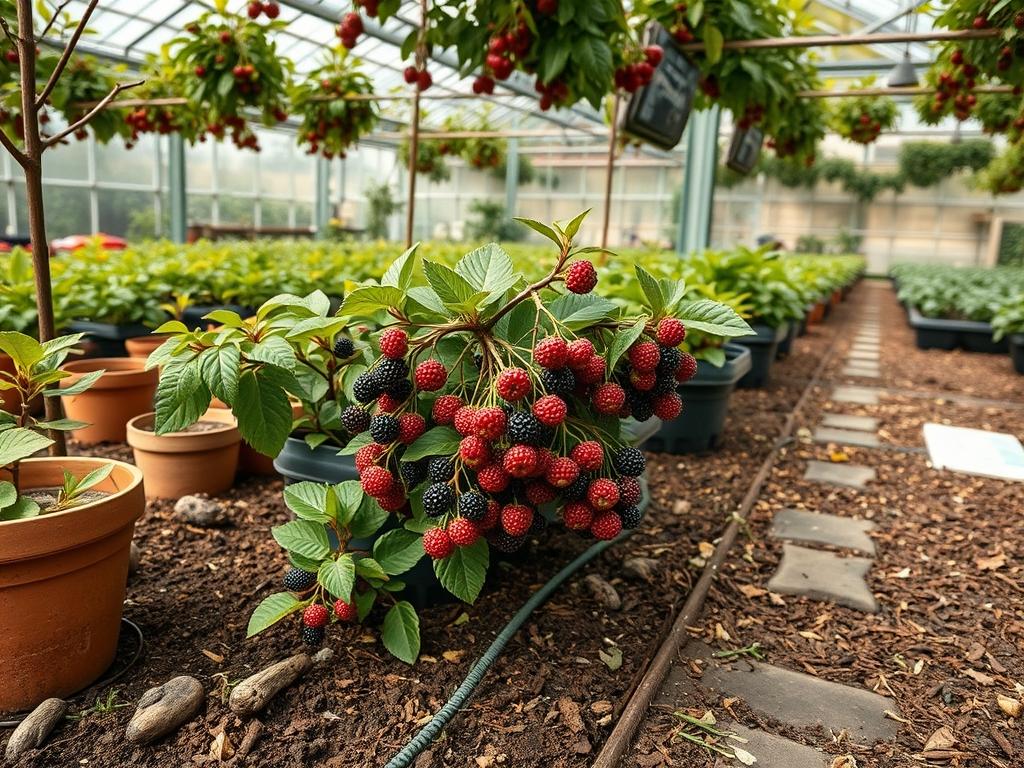
Integrating native species like the Serviceberry into a residential landscape offers more than just aesthetic grace; it provides a functional bridge between ornamental design and ecological utility. Within the realm of high end landscape architecture, the Amelanchier genus is prized for its four season interest, starting with delicate white blossoms in early spring and concluding with fiery orange foliage in autumn. However, for many homeowners, the midsummer harvest is the most anticipated event. Successfully Picking Ripe Serviceberries is a task that requires both botanical knowledge and a competitive spirit, as you are essentially entering a high stakes race against the local bird population. Cedar waxwings and robins can strip a mature tree of its fruit in a single morning, often before the homeowner has even noticed the berries have reached their peak sugar content. To manage this in a professional landscape setting, one must understand the intersection of plant health, placement, and harvest timing.
The challenge of Picking Ripe Serviceberries begins with the tree’s physiology. These berries do not ripen all at once; they transition from green to a pale pink, then to a dusty red, and finally to a deep, dark purple that resembles a blueberry. The window of peak ripeness is incredibly narrow, often lasting only three to five days depending on the heat index and humidity. If you harvest too early, the fruit is mealy and lacks the almond like undertone that makes it famous. If you wait even a day too long, the birds will have already harvested the crop for you. Professional landscape consultants often suggest planting Serviceberries in areas where they can be easily monitored from a kitchen window or a frequently used patio, ensuring the homeowner can keep a watchful eye on the color transition.
Landscape Design Principles
Effective landscape design relies on a structured hierarchy of visual elements. When incorporating Serviceberries such as the Autumn Brilliance or Princess Diana varieties, symmetry and focal points take center stage. Because these trees often feature a multi-stemmed growth habit, they serve as excellent anchors for garden beds, providing height without creating a dense, impenetrable wall. We often use them as a mid story layer, positioned between towering canopy trees and lower herbaceous perennials. This layered approach mimics natural woodland edges, which is where the species thrives best.
Elevation and sightlines are equally critical. If the goal is Picking Ripe Serviceberries for culinary use, the tree must be accessible. Planting a Serviceberry behind a wide retaining wall or at the top of a steep, mulched slope complicates the harvest and makes maintenance more difficult. Instead, we plan for flagstone walkways or paver paths that lead directly to the dripline of the tree. Furthermore, we must consider the mess that unpicked fruit can cause. Because the berries are high in natural pigments, they can stain light colored stone or wood decking. Strategic placement away from expensive limestone patios while maintaining proximity to the garden path is a balancing act of outdoor functionality and aesthetic preservation.
Irrigation planning also plays a role in the fruit’s quality. Inconsistent water levels can lead to fruit cracking or premature drop. A well designed drip irrigation system, hidden beneath 3 inches of hardwood mulch, ensures that the tree receives deep, consistent hydration during the critical fruiting phase. This systemic approach to watering also helps the tree resist common stresses like leaf spot or rust, which can mar the foliage and reduce the overall curb appeal of the property.
Plant and Material Selection
| Plant Type | Sun Exposure | Soil Needs | Water Demand | Growth Speed | Maintenance Level |
| :— | :— | :— | :— | :— | :— |
| Amelanchier x grandiflora | Full Sun to Part Shade | Moist, Well-Drained | Moderate | Medium | Low |
| Amelanchier canadensis | Part Shade to Shade | Wet to Moist | High | Medium | Medium |
| Amelanchier alnifolia | Full Sun | Well-Drained, Loamy | Low to Moderate | Slow | Low |
| Hardwood Mulch | N/A | Organic Content | N/A | N/A | Annual Refresh |
| Drip Irrigation Tubing | N/A | Sub-Surface | N/A | N/A | Seasonal Check |
| Steel Edging | N/A | Stability | N/A | N/A | Permanent |
Implementation Strategy
Implementing a successful landscape plan involving fruit bearing trees requires precision from the initial grading to the final layer of shredded bark mulch. The first step is always site preparation. We conduct a soil test to determine pH levels, as Amelanchier prefers slightly acidic to neutral soil. If the soil is heavy clay, we incorporate organic compost or leaf mold to improve the structure and drainage. Proper drainage is non negotiable; while some varieties like the Swamp Serviceberry can handle wet feet, most will suffer from root rot if water sits around the root ball.
During the layout phase, we use marking paint to delineate the canopy spread at maturity, which can reach 20 feet in some cultivars. This prevents the tree from being crowded by structural elements or other large shrubs. When the tree arrives, usually as a ball and burlap specimen, we dig the planting hole twice as wide as the root ball but no deeper. We use a sharpened spade to scarify the sides of the hole, preventing the roots from circling in compacted soil. Once the tree is set, we backfill with native soil, tamping down lightly to remove air pockets without causing excessive compaction.
A crucial part of the implementation is the application of mulch. We apply a 3 inch layer of natural cedar mulch in a wide circle around the base, ensuring the material does not touch the trunk itself, which can lead to bark decay. This mulch ring serves multiple purposes: it retains moisture, regulates soil temperature, and provides a clear zone that keeps lawn mowers and string trimmers away from the sensitive bark. Finally, we install steel edging or cobblestone borders to create a clean, professional finish that defines the garden bed and prevents turf grass encroachment.
Common Landscaping Failures
The most common failure we see in residential landscapes is improper drainage. If a Serviceberry is planted at the base of a downspout or in a low spot where water collects, the tree’s health will rapidly decline. This often manifests as yellowing leaves or stunted fruit production, making the task of Picking Ripe Serviceberries almost impossible as the tree focuses all energy on survival rather than reproduction. Another frequent mistake is root overcrowding. Homeowners often underestimate the mature width of these trees, planting them too close to the house or a fence. This leads to asymmetrical growth and poor air circulation, which invites fungal pathogens.
Soil compaction is another silent killer. During construction or heavy gardening, the soil around the root zone can become compressed, cutting off oxygen to the roots. We recommend using airflow tines or manual aerators if the soil feels excessively hard. Additionally, many people fail to calibrate their irrigation systems correctly. Overwatering can be just as damaging as underwatering, leading to bloated, tasteless fruit and weak cellular structure in the wood. Lastly, neglecting the “mulch volcano” issue is a primary cause of tree death. Piling mulch high against the trunk creates a moist environment for pests and rot, eventually girdling the tree.
Seasonal Maintenance
Seasonal care is what separates a professional landscape from a hobbyist garden. In the spring, maintenance begins with a light application of balanced fertilizer and the removal of any dead or crossing branches using hand pruners or loppers. As the tree begins to bloom, we monitor for pests like aphids or sawfly larvae. This is also the time to check the irrigation clock and ensure the zones are functioning correctly after the winter freeze.
Summer is the most active season for those focused on Picking Ripe Serviceberries. This is when we emphasize deep watering during dry spells. Once the harvest concludes, we suggest a light thinning of the canopy to improve light penetration for next year’s buds. If the birds are too aggressive, some homeowners choose to use bird netting, though this must be applied carefully to avoid trapping the animals or damaging the foliage.
In autumn, the narrative shifts to aesthetics and preparation. The Serviceberry displays some of the best fall colors in the neighborhood, ranging from gold to deep crimson. This is the ideal time to add another inch of fresh mulch and to ensure the tree is well watered before the ground freezes. Winter maintenance is largely passive, though we do recommend structural pruning while the tree is dormant. Since the branch structure is visible without leaves, it is the perfect time to identify any v-shaped crotches or structural weaknesses that could lead to limb breakage under heavy snow loads. Using a pruning saw, we remove any damaged limbs to maintain the tree’s architectural integrity throughout the coldest months.
Professional Landscaping FAQ
When is the best time for Picking Ripe Serviceberries?
The optimal window usually occurs in June or July. Look for berries that have turned a dark, consistent purple or blue color. They should feel slightly soft to the touch and pull away from the stem with minimal resistance.
Do Serviceberries require a second tree for cross pollination?
Most Amelanchier varieties are self fertile, meaning you can successfully harvest fruit with only one tree. However, planting multiple trees can often increase the overall yield and fruit size through improved pollination rates across the landscape.
How do I prevent birds from eating all the fruit?
The most effective method is using lightweight polypropylene netting once the berries turn pink. Ensure the net is secured at the base to prevent birds from flying underneath. Alternatively, some use reflective flash tape to deter them.
What type of mulch is best for these trees?
An organic hardwood mulch or pine bark is ideal. As it decomposes, it improves soil structure and adds nutrients. Avoid using decorative stones or rubber mulch, as these do not contribute to the long term health of the soil.
Can I grow Serviceberries in large containers?
Specific dwarf cultivars like Regent can thrive in large, well drained pots on a patio. Ensure the container has a high quality potting mix and that you provide consistent irrigation, as containerized plants dry out much faster than those in the ground.