
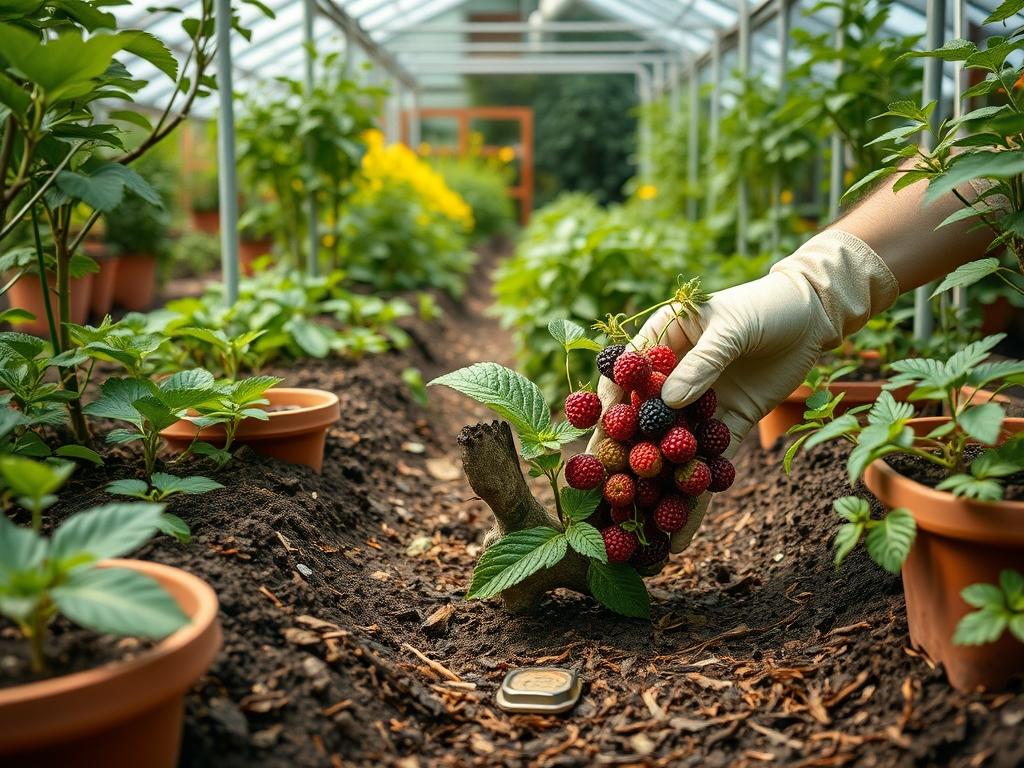
Integrating edible components into a high end residential landscape requires a delicate balance between utility and aesthetics. When homeowners consider the prospect of picking fresh tayberries, they often overlook the rigorous structural planning necessary to support such a vigorous, sprawling hybrid. The Tayberry, a cross between a blackberry and a raspberry, demands specific microclimates and robust support systems that must be seamlessly woven into the broader garden architecture. From a consultant perspective, the challenge lies in maintaining curb appeal while providing the drainage, sun exposure, and accessibility required for a successful fruit harvest. Unlike traditional ornamental shrubs, these berries require a deliberate strategy involving verticality and site grading to ensure the fruit remains clean, reachable, and visually integrated into the outdoor living space.
The primary landscaping challenge with the Tayberry is its growth habit. Because it produces long, trailing canes, it can easily become an eyesore if left to its own devices. A professional landscape design prioritizes the installation of permanent structures, such as custom Iron Trellises or Cedar Post and Wire Systems, which serve as the backbone of the fruit garden. These structures provide a clean, architectural line that contrasts with the organic, wild nature of the berry canes. Furthermore, the selection of the planting site must account for the high sun requirements of the fruit while ensuring the thorns do not interfere with high traffic walkways or seating areas. Proper layout planning ensures that picking fresh tayberries becomes a refined experience rather than a struggle with overgrowth.
Landscape Design Principles
Successful garden planning begins with the application of formal design principles to functional spaces. Symmetry is often used to frame the edible garden, perhaps by placing two identical Tayberry plots on either side of a central Stone Path. This creates a sense of intentionality and luxury. Focal points are equally important; a well designed trellis can act as a majestic vertical element that draws the eye upward, breaking the monotony of a flat lawn. By elevating the berries on a tiered system or within a Stone Retaining Wall, the landscape architect creates depth and layers, which are essential for a sophisticated outdoor environment.
Elevation layers are not merely about aesthetics; they are a critical component of soil management and drainage. When plotting the garden, we consider the transition from the ground plane to the vertical plane. By using Raised Beds constructed from Corten Steel or Pressure Treated Timber, we can control the soil quality precisely while providing a comfortable height for picking fresh tayberries without excessive bending. This ergonomic consideration is a hallmark of professional design. In addition to verticality, we must plan for irrigation lines to be buried beneath the surface, ensuring that the visual field remains uncluttered by hoses or temporary sprinklers.
Visual balance is achieved by pairing the coarse texture of the berry foliage with finer textured companion plants. For example, planting Lavender or Fescues at the base of the berry canes softens the transition between the structural trellis and the ground. This layering technique masks the woody lower stems of the berries, which can become sparse over time. We also use Fine Mesh Netting as a functional requirement to protect the fruit, yet we choose colors like black or dark green to ensure the netting remains nearly invisible against the foliage, preserving the aesthetic integrity of the garden.
Plant and Material Selection
The success of any landscape depends on selecting materials and species that thrive in the local environment while meeting the design goals. Below is a professional reference for integrating British berry hybrids and supporting flora into a cohesive plan.
| Plant Type | Sun Exposure | Soil Needs | Water Demand | Growth Speed | Maintenance Level |
| :— | :— | :— | :— | :— | :— |
| Tayberry | Full Sun | Loamy, Well-Drained | Moderate to High | Fast | High (Pruning) |
| English Lavender | Full Sun | Sandy, Alkaline | Low | Moderate | Low |
| Creeping Thyme | Full Sun | Gritty, Poor Soil | Low | Moderate | Low |
| Blue Oat Grass | Full Sun/Part Shade | Neutral, Drained | Moderate | Slow | Low |
| Espaliered Pear | Full Sun | Rich, Organic | Moderate | Moderate | High (Training) |
| Rosemary | Full Sun | Sharp Drainage | Low | Moderate | Medium |
For hardscaping, we recommend using Natural Flagstone for walkways to provide a stable, non slip surface for gardeners. The choice of Mulch is equally important; we suggest Pine Bark Nuggets or Wood Chips to a depth of 3 inches to suppress weeds and retain moisture. These materials contribute to a polished look while performing the essential tasks of protecting the root systems from temperature fluctuations.
Implementation Strategy
The implementation phase of a garden layout requires a systematic approach to site preparation. We begin with grading to ensure that water moves away from the foundation of any nearby structures and toward designated drainage zones. The use of a Laser Level is recommended to establish precise slopes. Once the grade is set, we define the beds using Steel Edging or Belgium Block, which prevents the encroachment of turf grass into the berry patches. This clear delineation is vital for maintaining the sharp lines required in professional landscaping.
Next, we address the soil. Tayberries thrive in a soil pH between 6.0 and 7.5. We recommend a soil amendment strategy that includes working Organic Compost and Well Rotted Manure into the top 12 inches of the soil profile. For drainage, we may install a French Drain system or a layer of Coarse Gravel beneath the planting beds if the native soil is heavy clay. After the soil is prepared, the irrigation system is installed. A dedicated Drip Irrigation system with Emitters spaced every 12 inches ensures that water reaches the roots directly, reducing the risk of foliar diseases that can occur when picking fresh tayberries from wet leaves.
The final step in the layout is the installation of the trellising. We use 4×4 Cedar Posts set in Concrete Footings at a depth of 24 inches to ensure stability against wind and the weight of a heavy fruit load. High tension Galvanized Wire is then strung between the posts. This provides the necessary framework for training the canes as they grow, allowing for optimal sunlight penetration and airflow, which are the two most critical factors in fruit production and quality.
Common Landscaping Failures
One of the most frequent mistakes in edible landscaping is improper drainage planning. Berries are highly susceptible to root rot if they sit in standing water. Without a proper assessment of the site’s percolation rate, even the most beautiful garden can fail within a single season. Designers must ensure that water moves through the root zone efficiently. Another common failure is root overcrowding. Homeowners often plant Tayberries too close to one another, not realizing that each plant needs at least 6 to 8 feet of horizontal space to spread. When plants are crowded, airflow is restricted, leading to mildew and increased pest pressure.
Improper spacing also complicates the process of picking fresh tayberries, as the thorns become a significant barrier if the rows are too tight. Furthermore, soil compaction is a silent killer in many luxury landscapes. Heavy machinery used during construction can compress the soil, destroying the pore spaces needed for oxygen and water movement. We mitigate this by using a Broadfork to aerate the beds before planting. Finally, irrigation inefficiencies, such as using overhead sprayers rather than drip lines, can waste water and promote disease. A professional avoids these pitfalls through careful site analysis and the use of high quality Irrigation Controllers.
Seasonal Maintenance
Maintenance is an ongoing commitment that changes with the calendar. In the spring, the focus is on waking up the landscape. This involves applying a Slow Release Fertilizer and checking the tension on the Trellis Wires. We also inspect the Drip System for leaks or clogged emitters. As the leaves begin to push, we guide the new canes toward the support wires using Soft Garden Ties.
During the summer, the priority shifts to water management and harvesting. Picking fresh tayberries usually occurs in late June through July. It is essential to keep the area clear of fallen fruit to discourage pests. We also perform “tip pruning” to encourage lateral branching, which increases the fruiting surface for the following year. In autumn, once the harvest is complete, we remove the “floricanes,” which are the canes that produced fruit, by cutting them down to the ground using Bypass Pruners. This allows the “primocanes,” or the new growth, to take over the trellis.
Winter is the time for structural repairs and protection. We apply a fresh layer of Bark Mulch to insulate the roots against freezing temperatures. If the region experiences heavy snow, we check that the trellises are secure and not leaning. We also perform any necessary hardscape repairs, such as re-leveling Flagstones or cleaning Stone Walls, to ensure the garden is ready for its visual debut in the spring.
Professional Landscaping FAQ
How much sun do I need for picking fresh tayberries?
Full sun is essential for sugar development. Your landscape should receive at least 8 hours of direct sunlight daily. Shady spots will result in tart fruit and weak, leggy canes that are prone to disease and breakage.
What is the best way to support sprawling berry canes?
A professional T-Trellis or I-Trellis using Galvanized Wire is best. These systems keep the fruit off the ground, improve airflow, and make the process of picking fresh tayberries much easier by organizing the canes vertically.
Can I grow tayberries in large containers for my patio?
While possible, it is not recommended for high end landscapes due to the plant size. A 20 gallon container is the minimum. However, in ground planting with a permanent trellis provides a much more architectural and sustainable solution for the garden.
How do I prevent berries from becoming an invasive mess?
Use Root Barriers or Steel Edging to define the planting zone. Consistent pruning is the most effective tool. By cutting back old canes every autumn, you maintain the clean lines and structural integrity of your landscape design.
Do I need to install a drainage system for my berry bed?
If your soil has high clay content, yes. A French Drain or slightly sloped Raised Bed prevents water from pooling around the roots. Proper drainage is the foundation of a healthy, productive, and aesthetically pleasing edible landscape.