
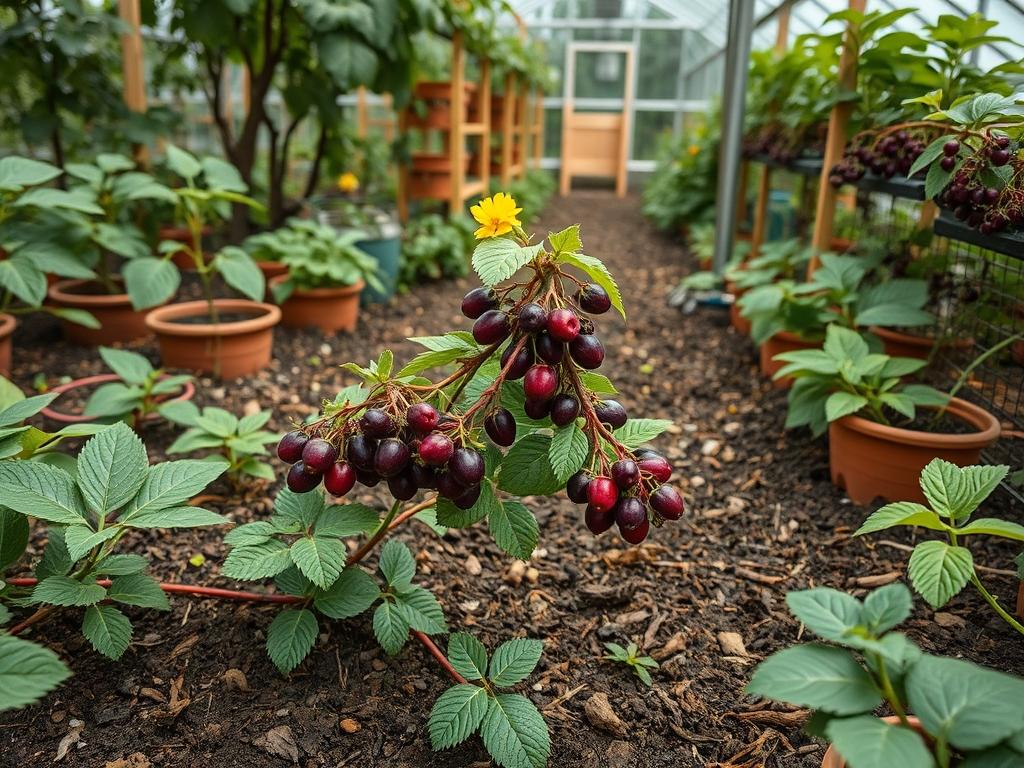
Managing a cohesive landscape requires a balance between manicured aesthetics and the functional bounty of the land. For many property owners, the discovery of wild edible species like the wineberry provides a unique opportunity to blend foraging with formal garden design. While often viewed as an opportunistic grower, harvesting garden wineberries can be achieved through careful spatial planning and site management. This process begins with understanding the site conditions that allow these berries to thrive without compromising the architectural integrity of the surrounding environment. In high-end residential landscaping, the goal is to define the boundary between the wild and the curated; this ensures that these vigorous brambles serve as a productive asset rather than an invasive nuisance.
The wineberry, known scientifically as Rubus phoenicolasius, is a multi-sensory addition to the outdoor environment. Its presence often marks a transition zone between dense woodland and open meadows. From a landscape architecture perspective, identifying these plants requires looking for the distinct red, glandular hairs that cover the stems and calyx. These hairs give the plant a fuzzy, reddish appearance even from a distance, contributing a unique texture to the deciduous backdrop. When the fruit ripens in mid to late summer, the vibrant orange and red hues provide a visual focal point that rivals many ornamental shrubs. However, successful harvesting garden wineberries requires more than just identification; it demands a strategy for containment, access, and soil health management.
Landscape Design Principles
Integrating fruit-bearing brambles into a professional landscape plan requires a focus on structural containment and accessibility. Symmetry and focal points are often used to draw the eye toward these areas while maintaining a sense of order. Because wineberries are vigorous growers that spread via tip-rooting and underground runners, they are best suited for the periphery of a property or within specific, enclosed garden rooms. Using a retaining wall or a stone curb can create a clean line that separates the wilder berry patch from a manicured turf area or a formal bluestone patio.
Elevation layers play a critical role in the visibility of the harvest. By planting wineberries along an upper slope or a secondary retaining wall, the fruit becomes easier to reach at eye level, reducing the physical strain of harvesting. This elevated positioning also assists with air circulation, which is vital for preventing fungal diseases in dense thickets. Furthermore, a well-placed trellis system made of powder-coated steel or cedar posts can provide the necessary vertical support. This allows the architect to treat the brambles as an espalier-style element, turning a chaotic wild plant into a sophisticated living screen that enhances privacy along property lines.
The walkway leading to the harvesting zone should be designed for high traffic and easy maintenance. Utilizing permeable pavers or decomposed granite ensures that the area remains functional even after heavy summer rains. A width of at least 36 inches for these paths allows room for garden carts and harvesting baskets. By framing the wineberry patch with lower-growing, non-invasive perennials, you create a visual transition that softens the transition from the structured architecture of the home to the rugged nature of the wild garden.
Plant and Material Selection
Selecting the right companions and infrastructure for a wineberry-centric landscape ensures long-term viability. The table below outlines the requirements for Rubus phoenicolasius and complementary species that thrive in similar temperate conditions.
| Plant Type | Sun Exposure | Soil Needs | Water Demand | Growth Speed | Maintenance |
| :— | :— | :— | :— | :— | :— |
| Wineberry | Full Sun to Part Shade | Well-drained, Acidic | Moderate | Fast | High |
| Highbush Blueberry | Full Sun | Very Acidic (pH 4.5-5.2) | High | Moderate | Medium |
| Serviceberry | Full Sun to Part Shade | Loamy, Well-drained | Moderate | Moderate | Low |
| Wild Strawberry | Full Sun to Part Shade | Rich, Sandy Loam | Moderate | Medium | Low |
| Black Elderberry | Full Sun to Part Shade | Moist, Fertile | High | Fast | Medium |
Using a 3-inch layer of organic cedar mulch around the base of these plants is essential for moisture retention and weed suppression. In terms of hardware, professional-grade bypass pruners and loppers are necessary for managing the woody canes. For irrigation, a low-volume drip system is preferred over overhead sprinklers to keep the foliage dry and minimize the risk of fruit rot during the peak of the ripening season.
Implementation Strategy
Developing a site for harvesting garden wineberries begins with precise grading. The land must be sloped away from any permanent structures to prevent water from pooling at the foundation. Once the grade is established, the installation of a physical root barrier is recommended. A 24-inch deep plastic root guard or a concrete trench can effectively stop the subterranean spread of the wineberries, keeping them within their designated zone. This is a critical step for maintaining the integrity of nearby flower beds or lawns.
After the infrastructure is in place, the soil must be amended. Most wild wineberries prefer a slightly acidic environment with a pH between 6.0 and 6.8. Incorporating composted leaf mold and well-rotted manure into the top 12 inches of the soil will provide the nutrient base required for heavy fruiting. When planting, space the individual canes approximately 3 feet apart to allow for future crown expansion.
Finally, the inclusion of a dedicated staging area for harvesting adds a level of professional utility to the design. A simple granite-topped potting bench or a weather-resistant work table located near the berry patch provides a space to sort the fruit and clean tools. This area should be serviced by a nearby hose bib or an integrated outdoor sink to facilitate immediate rinsing of the harvest.
Common Landscaping Failures
The most frequent mistake in managing wineberries is failing to account for their aggressive growth habit. Without regular pruning and physical barriers, a small patch can quickly overtake a backyard, smothering slower-growing ornamental plants. This lead to a loss of visual hierarchy and a drop in curb appeal as the landscape begins to look neglected. Root overcrowding is another common issue; when canes are too dense, sunlight cannot reach the center of the plant, resulting in poor fruit quality and increased pest pressure.
Irrigation inefficiencies often plague edible landscapes. Over-watering can lead to root rot, particularly in heavy clay soils that lack proper drainage tiles. Conversely, underwatering during the fruit-set period in early summer will cause the berries to shrivel and drop prematurely. Soil compaction is also a silent killer in high-traffic foraging areas. If the paths around the wineberries are not clearly defined with pavers or thick mulch, guest foot traffic will compress the soil, depriving the roots of necessary oxygen and moisture.
Seasonal Maintenance
Spring maintenance involves the removal of dead or diseased wood. Using sharpened hand pruners, cut back any canes that fruited the previous year to ground level. Since wineberries fruit on second-year wood (floricanes), it is essential to identify the young, green primocanes and leave them intact for the next season. Apply a balanced, slow-release fertilizer in early spring to kickstart the growth cycle.
Summer is the primary season for harvesting garden wineberries. During this time, the focus shifts to moisture management and pest monitoring. Check the drip irrigation lines for clogs and ensure the plants receive roughly 1 inch of water per week. Once the harvest conclude in late July or August, tip-prune the new canes to encourage lateral branching, which will increase the following year’s yield.
In the autumn, focus on sanitation. Remove fallen leaves and mummified fruit from the base of the plants to reduce the overwintering population of fungi and insects. Apply a fresh 2-point-5 inch layer of mulch to protect the root zone from the upcoming freeze-thaw cycles. During the winter, the structural architecture of the canes is visible; this is an excellent time to repair any damaged trellises or arbors and plan for the next year’s expansion or containment measures.
Professional Landscaping FAQ
How do I distinguish wineberries from common wild raspberries?
Wineberries feature distinct red, sticky hairs on their stems and calyx. Their leaves are usually in sets of three with a bright white underside. Unlike raspberries, the wineberry fruit stays protected by a hairy husk until it is fully ripe.
What is the best way to prevent wineberries from spreading?
Install a physical root barrier at least 18 inches deep around the planting area. Additionally, practice diligent pruning by cutting back any canes that touch the ground, as wineberries frequently spread through a process called tip-rooting.
Do wineberries require a specific type of irrigation?
A drip irrigation system is the professional choice. It delivers water directly to the root zone, keeping the fruit and foliage dry. This reduces the risk of gray mold and other fungal pathogens that thrive in humid, overhead-watered environments.
How much sun is required for a successful harvest?
While wineberries can tolerate partial shade, they produce the highest yields in full sun. Aim for a location that receives at least 6 to 8 hours of direct sunlight daily to ensure the fruit develops maximum sugar content and color.
Can wineberries be grown in large containers?
Yes, wineberries can be managed in 20-gallon or larger containers. This is an excellent solution for smaller landscapes where ground invasion is a concern. Ensure the pots have excellent drainage and are equipped with a sturdy vertical support structure.