
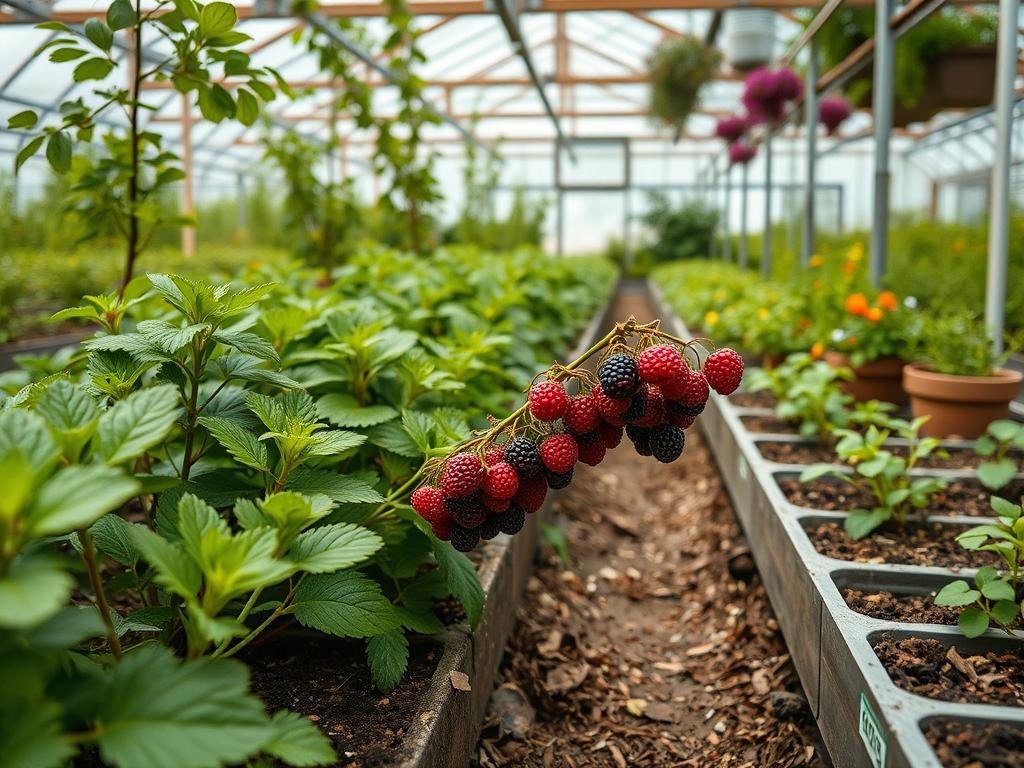
Integrating the native salmonberry, known scientifically as Rubus spectabilis, into a domestic landscape requires a sophisticated understanding of Pacific Northwest ecology and moisture management. Landscape architects often view these shrubs as a double edged sword; they provide unparalleled erosion control on steep gradients and offer a stunning early season bloom, yet their vigorous growth habit can quickly overwhelm a poorly planned garden. When we discuss picking ripe salmonberries in a residential context, we are really discussing the design of a functional foraging zone that bridges the gap between wild woodland and curated outdoor living space. The challenge lies in managing the rhizomatous nature of the plant while ensuring that the fruit remains accessible for seasonal harvest. These shrubs thrive in the transition zones of the garden, where the high canopy of Douglas Fir or Western Red Cedar gives way to smaller understory plantings.
Successful salmonberry integration starts with climate consciousness. This species demands consistent moisture and cool, shaded root zones to produce the succulent, raspberry-like fruits that vary in color from pale yellow to deep, translucent ruby. From a curb appeal perspective, the Rubus spectabilis offers a striking architectural form in early spring, characterized by its bright magenta flowers and ziz-zagging woody canes. However, without a structural plan, the shrub can appear chaotic. A professional landscape consultant will use these plants to define boundaries or soften the hard lines of a Pressure-Treated Wood Fence or a Concrete Retaining Wall. By treating the salmonberry as a structural element rather than a mere fruit bush, we create a landscape that feels intentional throughout the four seasons.
Landscape Design Principles
When designing a garden focused on picking ripe salmonberries, professional architects prioritize accessibility and containment. Symmetry is rarely the goal with native berry patches; instead, we aim for a naturalistic visual balance that mimics the edge of a forest. We often utilize the concept of elevation layers. By planting salmonberries in the middle tier of a graded slope, we allow their arching canes to drape over lower plantings like Sword Ferns or Deer Ferns, creating a lush, tiered effect that masks the bare stems often found at the base of older shrubs. This layering also prevents the soil from becoming visible, which preserves the “lush” aesthetic desired in PNW landscapes.
Focal points are critical to preventing a salmonberry patch from looking like a wild thicket. We might place a large Basalt Boulder or a high quality Cedar Bench near the planting to signify that this is a curated space. Irrigation planning is another pillar of the design. Because salmonberries are riparian by nature, they need a dedicated Drip Irrigation System that maintains soil saturation without creating stagnant pools. Moving water, or at least the appearance of it, enhances the aesthetic. Walkways should be designed using Crushed Slate or Flagstone to provide a firm, well drained surface for picking ripe salmonberries without compacting the delicate root systems of the plants.
Plant and Material Selection
| Plant Type | Sun Exposure | Soil Needs | Water Demand | Growth Speed | Maintenance Level |
| :— | :— | :— | :— | :— | :— |
| Salmonberry | Partial Shade | Moist, Acidic | High | Fast | Moderate |
| Sword Fern | Full Shade | Well Drained | Low to Medium | Moderate | Low |
| Red Osier Dogwood | Full Sun to Part Shade | Wet, Clay-Heavy | High | Fast | Moderate |
| Salal | Partial Shade | Humus Rich | Medium | Slow to Moderate | Low |
| Huckleberry | Partial Shade | Very Acidic | Medium | Slow | Moderate |
| Serviceberry | Full Sun to Part Shade | Loamy | Medium | Moderate | Low |
For the hardscaping, we recommend using Stainless Steel Root Barriers buried at a depth of 18 inches to prevent the salmonberry from spreading into turf areas or neighboring flower beds. The mulch selection is equally important. A Forest Floor Mulch or a Hemlock Bark Mulch applied at a depth of 3 to 4 inches will replicate the natural detritus found in salmonberry habitats, suppressing weeds while retaining the high moisture levels these plants require for high fruit yields.
Implementation Strategy
The implementation of a salmonberry focused landscape begins with proper grading. These plants are excellent for stabilizing slopes because of their extensive root networks; however, if the slope is too steep, the fruit will be difficult to reach. We recommend a maximum gradient of 3:1 for any area intended for harvesting. If the site is steeper, consider installing Timber Terraces using 6×6 Pressure-Treated Beams. This creates flat plateaus for picking ripe salmonberries safely.
Once the grading is established, we focus on soil preparation. Salmonberries prefer a pH between 5.5 and 6.5. If your soil is too alkaline, incorporate Elemental Sulfur or Peat Moss into the top 12 inches of the soil profile. For the actual planting, space the shrubs roughly 3 to 5 feet apart. While they look sparse initially, they will fill the gaps within two growing seasons. Edging is the final step in the layout. Use a heavy duty Steel Edging or a Stone Border to create a clear visual and physical transition between the wild berry zone and the more formal areas of the outdoor environment. This clear demarcation is what separates a professional landscape from a neglected backyard.
Common Landscaping Failures
The most frequent mistake in salmonberry landscaping is ignoring the plant’s aggressive colonization habits. Homeowners often plant them near an open lawn without a root barrier, only to find new shoots appearing 10 feet away the following year. Soil compaction is another common failure, particularly in areas with heavy foot traffic. When the soil around the roots is Compressed, oxygen levels drop, and the plant’s ability to produce fruit is severely diminished. This is why defined Gravel Walkways are essential for those who enjoy picking ripe salmonberries.
Irrigation inefficiency also ranks high among common errors. While salmonberries love water, they are susceptible to root rot if the water is allowed to sit. A failure to provide adequate drainage through the use of Perforated French Drains or Drainage Rock can kill an established patch during a particularly wet winter. Finally, improper spacing often leads to poor air circulation. When the canes are too crowded, they become susceptible to fungal diseases like rust or powdery mildew, which can ruin a harvest and make the garden look sickly.
Seasonal Maintenance
Maintenance is divided into four distinct phases to ensure the health of the landscape and the quality of the fruit. In the spring, focus on fertilization. Apply a 10-10-10 Balanced Fertilizer before the first flowers appear to support the vigorous growth of new canes. Monitor for aphids as the temperates rise.
Summer is the peak season for picking ripe salmonberries. The harvest typically lasts about 3 to 4 weeks. Once the harvest is complete, it is time for corrective pruning. Professional landscapers use Bypass Pruners to remove any canes that have already produced fruit, as these will eventually die back. This allows the plant’s energy to go into the primocanes, which are the first year stems that will bear fruit the following season.
In autumn, the focus shifts to moisture management and mulching. Refresh the Wood Chip Mulch as it breaks down to protect the roots from the coming frost. This is also the best time to check the integrity of your Retaining Walls and Drainage Pipes before the heavy winter rains arrive.
Winter maintenance involves structural pruning. When the leaves have fallen, it is easy to see the “skeleton” of the shrub. Remove any crossing, rubbing, or damaged branches using a Folding Saw. Cutting about one third of the oldest canes down to the ground every year ensures the patch stays rejuvenated and productive, preventing it from becoming a dense, impenetrable thicket of dead wood.
Professional Landscaping FAQ
When is the best time for picking ripe salmonberries locally?
The harvest usually begins in May and extends through June in the Pacific Northwest. Watch for the fruit to pull away easily from the central core; if you have to tug, the berry is not yet ready for consumption.
Can I grow salmonberries in a small container?
While possible, it is not recommended for long term landscaping. Their extensive rhizomes require significant space. If you must use a container, choose a 20 gallon pot or larger and ensure it has excellent drainage and consistent irrigation.
What is the best way to stop salmonberries from spreading?
The most effective method is the installation of a Root Barrier made of high density polyethylene. This should be buried at least 12 to 18 inches deep to intercept the horizontal runners before they invade other garden zones.
Why are my salmonberries small and dry instead of juicy?
This is typically a sign of water stress during the fruiting phase. Even if the plant survived the drought, the fruit quality will suffer. Ensure your Irrigation System provides deep, regular watering once the flowers have dropped.
Do salmonberries require a pollinator plant to fruit?
No, Rubus spectabilis is self-fertile, meaning a single plant can produce a harvest. However, having a larger patch with multiple shrubs can often lead to better pollination rates and larger yields due to increased activity from local bees.