
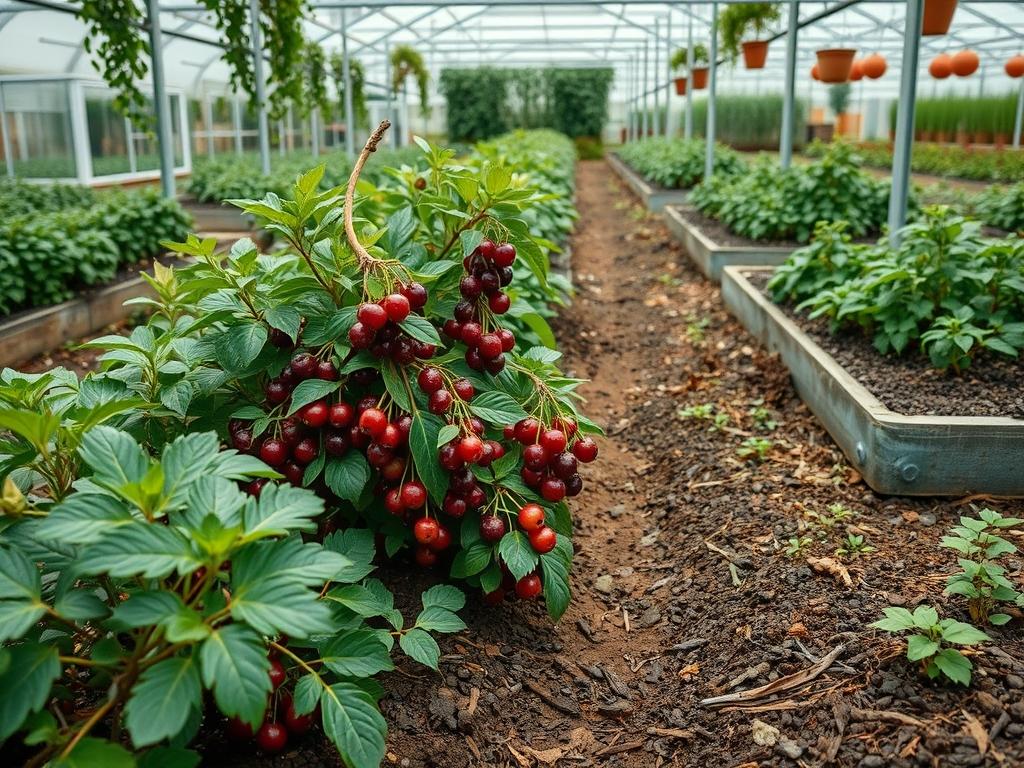
Integrating native species into a residential or commercial master plan requires a nuanced understanding of both aesthetic intent and botanical behavior. The Chokecherry (Prunus virginiana) stands as a premier candidate for regional landscapes across North America, providing structural density and seasonal interest. However, the decision to include this species often hinges on its utility as a source of fruit. Picking fresh chokecherries requires careful processing; a fact that dictates where and how these trees are positioned within a garden layout. When a landscape architect specifies this shrub or small tree, they are not merely selecting a visual placeholder. They are introducing a dynamic, productive element that requires specific site conditions and maintenance protocols to truly thrive. Successful integration balances the rugged, wild nature of the plant with the polished requirements of modern curb appeal and outdoor functionality.
In the context of climate considerations, the Chokecherry is remarkably resilient. It handles the transition between arid summers and freezing winters with ease, making it a staple for xeriscaping and conservation-minded designs. From a functional standpoint, these trees serve as excellent windbreaks or privacy screens. Their dense, suckering habit allows them to form thickets that muffle neighborhood noise and provide a secure habitat for local pollinators. Yet, the architectural challenge lies in the fruit itself. Because the berries must be harvested at a specific stage of ripeness and processed with precision to remove bitter compounds, the landscape must accommodate the harvest. This means providing stable footing near the trunk and ensuring the tree is accessible from all sides without trampling delicate underplantings.
Landscape Design Principles
Effective landscape design relies on the core pillars of symmetry, elevation, and focal points. When incorporating the Chokecherry, architects often use it as a mid-story element. In a three-tier elevation strategy, the Chokecherry sits comfortably between high-canopy shade trees, such as the Bur Oak, and lower-tier groundcovers or perennials. This layering creates a sense of depth that draws the eye upward and across the garden, making smaller outdoor spaces feel significantly larger and more structured.
Visual balance is achieved by mirroring the organic form of the Chokecherry with more rigid hardscaping. For instance, a curved natural stone retaining wall can offset the somewhat erratic growth of a native thicket. If the goal is a formal aesthetic, the Canada Red Chokecherry cultivar is often preferred for its straight trunk and purple summer foliage. This creates a striking focal point when positioned at the end of a long, straight flagstone walkway. The contrast between the dark leaves and the light grey stone provides a sophisticated color palette that enhances the property’s value.
Irrigation planning is another critical design principle. While established Chokecherries are drought-tolerant, they require consistent moisture during the fruiting phase to ensure the berries are plump and easy to pick. We recommend a drip irrigation system buried 2 to 3 inches beneath a layer of hardwood mulch. This delivers water directly to the root zone while minimizing evaporation. By placing the irrigation lines on a programmable timer, homeowners can ensure the fruit reaches peak quality without the risk of overwatering surrounding drought-loving ornamental grasses.
Plant and Material Selection
| Plant Type | Sun Exposure | Soil Needs | Water Demand | Growth Speed | Maintenance Level |
| :— | :— | :— | :— | :— | :— |
| Chokecherry | Full Sun to Partial Shade | Well-drained, adaptable | Moderate | Fast | Moderate |
| Western Sandcherry | Full Sun | Sandy, well-drained | Low | Medium | Low |
| Serviceberry | Full Sun/Part Shade | Loamy, acidic | Moderate | Medium | Low |
| American Plum | Full Sun | Rich, well-drained | Moderate | Fast | High |
| Common Elderberry| Full Sun/Part Shade | Moist, fertile | High | Fast | Moderate |
| Silver Buffaloberry| Full Sun | Poor, alkaline | Low | Slow | Low |
Implementation Strategy
Planning the layout of a backyard harvest zone requires a step-by-step approach to ensure long-term viability. First, grading is essential. The area around the Chokecherry should have a gentle 2 percent slope away from any building foundations to prevent water pooling. If the site is naturally flat, architects may specify a swale or a French drain to manage runoff during heavy spring rains. Proper drainage ensures the roots do not sit in anaerobic conditions, which leads to root rot and poor fruit production.
Once the grade is set, the next step involves defining the edges. Use a steel edging or a paver border to contain the root system. Chokecherries are known for their suckering habit, where new shoots emerge from the roots several feet away from the main trunk. A physical barrier helps keep these volunteers from invading nearby flower beds or turf areas. After the tree is planted in a hole twice as wide as the root ball, a 3-inch layer of organic mulch should be applied, leaving a small gap around the collar of the tree to prevent bark decay.
Hardscaping elements, such as benches or garden paths, should be installed prior to the final planting. For a productive garden, a decomposed granite path provides a firm, permeable surface for the homeowner to stand on while picking fresh chokecherries. This material is both functional and aesthetically pleasing, offering a rustic look that complements the native aesthetic. If the ground is uneven, a small flagstone landing can be installed directly under the drip line of the tree to provide a level area for ladders during the harvest season.
Common Landscaping Failures
One of the most frequent mistakes in residential landscaping is improper spacing. Homeowners often plant Chokecherries too close to fences or structures, forgetting that these plants can reach a width of 10 to 15 feet at maturity. Overcrowding leads to poor air circulation, which invites pests like the tent caterpillar or diseases such as black knot fungus. When a tree is stressed by its environment, the fruit quality suffers, making the task of picking and processing even more difficult.
Drainage mistakes also rank high on the list of failures. While the Chokecherry is adaptable, it cannot survive in heavy, compacted clay soil that holds water like a bowl. Soil compaction often occurs during the construction phase of a home when heavy machinery compresses the earth. Before planting, it is vital to use a power auger or a garden fork to aerate the soil and incorporate organic compost. Without these soil amendments, the roots will struggle to expand, resulting in a stunted tree that fails to provide the desired curb appeal or fruit yield.
Seasonal Maintenance
The beauty of a well-landscaped yard is that it evolves with the seasons, but this evolution requires management. In the spring, the focus is on fertilization and monitoring for pests. A slow-release balanced fertilizer applied just as the buds break will provide the nutrients needed for a vigorous bloom. Summer is the season of vigilance. As the fruit begins to turn from green to bright red, and finally to a deep, dark purple, the gardener must monitor hydration levels. Picking fresh chokecherries is most successful in late August or early September when the fruit is nearly black.
Autumn maintenance involves cleaning up fallen debris and pruning. Because Chokecherries are prone to suckering, fall is the time to remove any unwanted shoots at the base with bypass pruners. This directs the plant’s energy back into the main trunk and improves the overall silhouette. During winter, the landscape architect’s structural vision comes to the forefront. The dark, textured bark of the tree creates a striking contrast against the snow. Dormant pruning can be performed in late winter to remove crossing branches and maintain an open center, which ensures sun penetrates the canopy for the following year’s harvest.
Professional Landscaping FAQ
What is the best time for picking fresh chokecherries?
Harvest usually occurs in late summer, specifically August through September. Wait until the berries transition from red to a deep, dark purple or black. Darker berries contain higher sugar levels and are much easier to process into jellies or syrups.
How far should I space Chokecherries from my house?
Maintain a minimum distance of 12 to 15 feet from any permanent structure. This allows the root system to expand without interfering with foundations and ensures the canopy has enough room to reach its natural, rounded shape without constant pruning.
Are Chokecherries safe for landscapes with pets?
While the fruit is edible when processed, the leaves and pits contain cyanide-producing compounds. If you have dogs that tend to chew on sticks or foliage, plant them in a fenced area or choose a different native species like Serviceberry.
How do I stop my Chokecherry from spreading?
The most effective method is installing a root barrier at least 12 inches deep during the planting phase. Regularly removing suckers with loppers at the soil line will also keep the tree contained to a single or multi-trunk specimen.
What mulch is best for a fruit-producing landscape?
Use a shredded cedar or hardwood mulch. These organic materials break down over time, improving soil structure and moisture retention. Avoid using rocks or gravel near the base, as they can reflect heat and stress the tree during peak summer.