
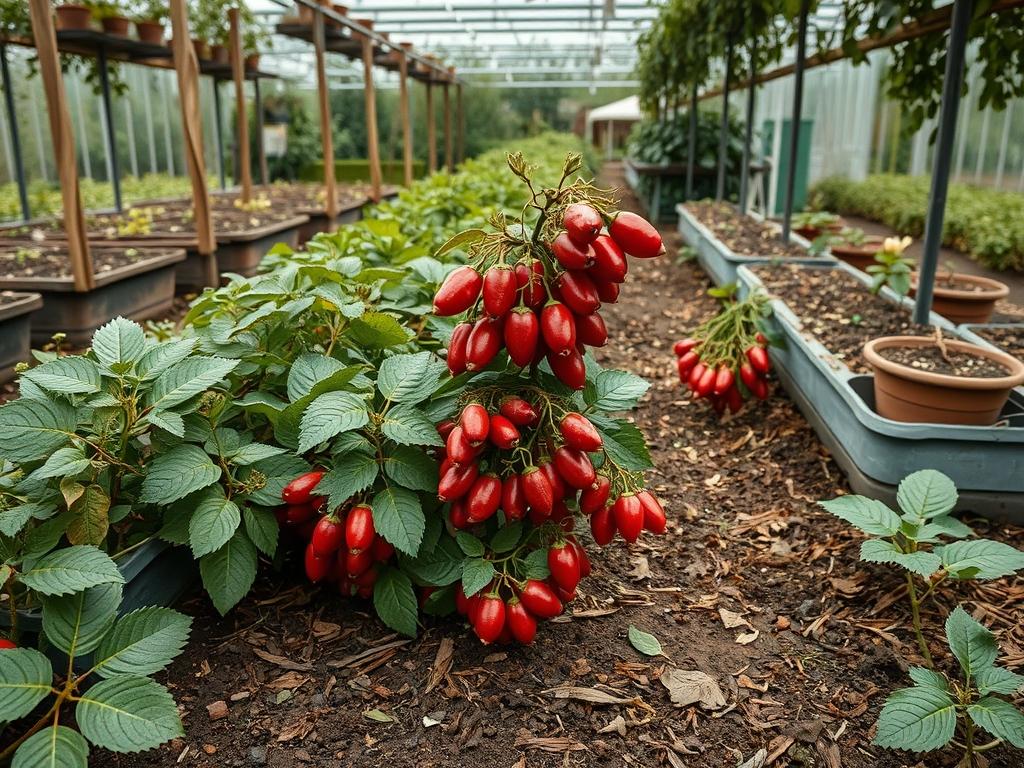
Integrating a productive rose garden into a professional landscape design requires a delicate balance between ornamental aesthetics and functional utility. For many homeowners, the goal is to enhance curb appeal while simultaneously cultivating a harvestable crop of nutritious rose hips for culinary use. Harvesting garden rose hips involves more than just picking fruit; it requires an understanding of the plant’s lifecycle, the microclimate of the site, and the architectural layout of the garden beds. A well-planned rose installation serves as a multi-seasonal asset, providing vibrant blooms in the summer and striking red or orange seed pods throughout the late autumn and winter months. To ensure a successful harvest, the landscape architect must prioritize soil health, drainage, and accessibility, ensuring that the shrubs are positioned where they can thrive without encroaching on walkways or becoming a maintenance burden.
The functional goal of an edible rose landscape is to maximize the yield of hips while maintaining a clean, structured appearance. In colder climates, the arrival of frost is a critical signal for the harvest, as the cold temperatures help to convert starches into sugars, resulting in a sweeter and more flavorful tea. However, the architectural challenge lies in the fact that roses are often deciduous. As the leaves fall, the structure of the plant and the visual quality of the hips become the primary focal points of the outdoor environment. Careful planning ensures these shrubs do not look like barren thickets during the dormant season. By selecting the right cultivars and implementing appropriate soil management techniques, a designer can create a space that is as productive as it is beautiful.
Landscape Design Principles
Effective landscape design for rose hip production relies on the core principles of symmetry and focal points. When planning the layout, larger species such as Rosa rugosa or Rosa canina should be utilized as structural anchors or natural hedgerows. Due to their thorns and dense growth habit, these plants are excellent for defining property boundaries or creating privacy screens. However, because harvesting requires physical proximity to the plant, designers must incorporate adequate clearance around the base of the shrubs. A minimum of 3 feet of clearance from the center of the plant to the edge of a walkway is recommended to allow for safe movement during maintenance and harvesting sessions.
Elevation layers play a vital role in the visual impact of the rose garden. By staggering plants of varying heights, a designer can create a sense of depth and volume. For example, taller climbing roses can be trained over wrought iron trellises or cedar pergolas to provide vertical interest, while mounding varieties occupy the mid-ground. Visual balance is achieved by pairing the coarse texture of rose foliage with finer-textured companion plants like Lavandula or Nepeta. These companions not only enhance the aesthetic but also attract pollinators, which are essential for the fertilization of the flowers and the subsequent development of the hips. Irrigation planning is equally critical; drip irrigation systems should be installed beneath the mulch layer to deliver water directly to the root zone, keeping the foliage dry and reducing the risk of fungal diseases that could ruin the crop.
Plant and Material Selection
Selecting the right plant material is the most important step in ensuring a high-quality harvest for tea. Not all roses produce hips that are palatable or large enough to be worth the effort. The following table outlines the best candidates for a landscape designed for harvesting garden rose hips.
| Plant Type | Sun Exposure | Soil Needs | Water Demand | Growth Speed | Maintenance Level |
| :— | :— | :— | :— | :— | :— |
| Rosa rugosa | Full Sun | Well-drained, sandy | Moderate | Fast | Low |
| Rosa canina | Full Sun/Part Shade | Heavy clay to loam | Moderate | Medium | Moderate |
| Rosa rubiginosa | Full Sun | Fertile, well-drained | Moderate | Medium | Medium |
| Rosa moyesii | Full Sun | Rich, organic loam | High | Fast | Moderate |
| Rosa virginiana | Full Sun | Acidic, moist | Moderate | Fast | Low |
In addition to the plants themselves, the choice of hardscaping materials impacts the health of the garden. Natural stone or permeable pavers should be used for walkways to ensure that water does not pool near the root systems. For mulching, shredded hardwood mulch or pine bark nuggets applied at a depth of 3 inches will help retain moisture and suppress weeds while slowly contributing organic matter to the soil as they decompose.
Implementation Strategy
The implementation of a rose garden begins with site grading and soil preparation. Roses require excellent drainage to prevent root rot. If the site has heavy clay soil, it may be necessary to install a French drain or to elevate the planting beds by 6 to 12 inches using a high-quality topsoil mix. Once the grading is complete, the garden layout should be marked using landscape stakes and twine. Edging is a crucial component for maintaining a clean transition between the rose beds and the turf; corten steel edging or pressure-treated timber provides a crisp line that prevents the encroachment of grass.
When planting, each rose should be placed in a hole that is twice the width of the root ball and just as deep. Incorporating mycorrhizal fungi and a balanced, slow-release organic fertilizer into the backfill will give the plants a strong start. After planting, the area should be thoroughly watered and covered with mulch. For those focusing on harvesting garden rose hips for tea, it is imperative to avoid using systemic pesticides or herbicides near these plants. Instead, organic methods such as neem oil or insecticidal soap should be utilized to manage pests, ensuring the fruit remains safe for consumption.
Common Landscaping Failures
One of the most frequent mistakes in rose garden design is improper spacing. While a dense thicket may look appealing in a magazine, root overcrowding leads to competition for nutrients and poor air circulation. This results in smaller, less nutrient-dense hips and a higher susceptibility to black spot and powdery mildew. It is essential to follow the specific spacing requirements for each cultivar, often ranging from 4 to 6 feet apart for larger shrub varieties.
Soil compaction is another common failure, particularly in new construction areas where heavy machinery has been used. Compacted soil lacks the pore space necessary for oxygen to reach the roots, leading to stunted growth. Builders and landscapers should use core aeration or deep tilling with organic compost to break up compacted layers before planting. Furthermore, irrigation inefficiencies, such as overhead sprinkling, can cause significant problems. When water sits on the leaves, it creates a breeding ground for pathogens. Transitioning to a pressure-compensated drip emitter system is the professional standard for high-performance rose gardens.
Seasonal Maintenance
Maintenance requirements change with the seasons. In the spring, the focus is on pruning and fertilization. Roses should be pruned just as the buds begin to swell; however, for those harvesting hips, a light touch is required. Removing dead or crossing wood is necessary, but excessive pruning can reduce the number of flowers and, consequently, the number of hips. During the summer, consistent watering and monitoring for pests are the primary tasks. Deadheading, the practice of removing spent blooms, should be stopped by late August to allow the plant to focus its energy on fruit production.
Autumn is the peak season for harvesting garden rose hips. The harvest should take place after the first light frost when the hips are firm and brightly colored. Use bypass pruners to clip the hips from the stems, leaving a small portion of the pedicel attached to prevent the fruit from drying out too quickly. In winter, the garden should be put to rest by applying a fresh layer of mulch to protect the crowns from freeze-thaw cycles. In colder regions, wrapping sensitive varieties in burlap or using styrofoam rose cones can provide additional protection against harsh winds.
Professional Landscaping FAQ
What is the best time for harvesting garden rose hips?
The ideal time is after the first frost of autumn. This cold snap increases the sugar content and softens the fruit, making it perfect for tea. The hips should be bright red or orange and firm to the touch.
Can I use any rose variety for tea?
While most rose hips are edible, Rosa rugosa and Rosa canina are preferred for their size and flavor. Always ensure the plants have not been treated with systemic chemicals or toxic pesticides before harvesting for consumption.
How do I prevent my roses from becoming overgrown?
Routine structural pruning in early spring is essential. Remove one third of the oldest canes each year to encourage new growth. Maintain clear edging and use mulch to keep suckers from spreading beyond the designated planting area.
Why are my rose hips small and shriveled?
Small or shriveled hips are often the result of water stress during the late summer or poor pollination. Ensure consistent moisture through a drip irrigation system and plant pollinator-friendly flowers nearby to improve the fertilization of the rose blooms.
Does mulch type affect rose hip quality?
Yes, organic mulches like composted bark improve soil structure and nutrient availability over time. Avoid using inorganic mulches like rock or rubber in edible gardens, as they do not contribute to soil health and can overheat the root zone.