
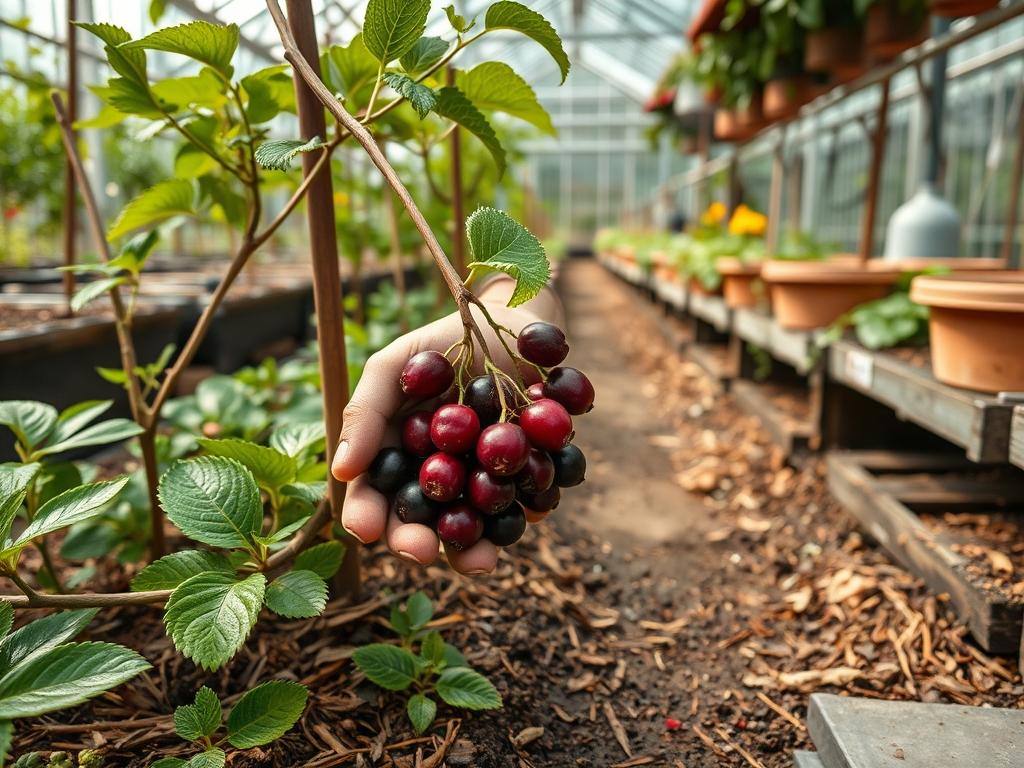
Integrating edible shrubs into a sophisticated residential landscape requires a balance between aesthetic form and functional yield. The Juneberry, belonging to the genus Amelanchier, serves as a premier choice for architects seeking four-season interest. Often referred to as serviceberry or saskatoon, this woody perennial offers delicate white blossoms in spring, vibrant foliage in autumn, and a bountiful harvest of dark, pome-like fruits in early summer. Achieving the best results for picking ripe Juneberries begins long before the fruit turns purple. It starts with a rigorous site analysis and a design that prioritizes accessibility and tree health. When we specify these plants for a high-end outdoor environment, we consider the transition from the manicured lawn to the productive orchard zones. The challenge lies in ensuring that the harvest process does not detract from the curb appeal or the structural integrity of the garden beds.
A well-planned landscape considers the Juneberry not just as a fruit source but as a structural element. These trees can be trained as single-stem specimens or multi-stem shrubs to create natural privacy screens. For those focused on the height of summer, the timing of the harvest is critical. The fruit matures rapidly, transitioning from green to red and finally to a deep blueish-purple. Proper garden layout ensures that the homeowner can navigate the space without compacting the soil around the delicate root systems. Strategic placement near walkways or patios allows for frequent monitoring of ripeness, which is essential because the window for picking ripe Juneberries is remarkably short. Birds are also fond of these berries; therefore, the landscape design must account for the use of aesthetic netting or bird-scare devices that do not compromise the visual harmony of the backyard.
Landscape Design Principles
In the realm of landscape architecture, the placement of Amelanchier varieties should follow the principles of layering and focal points. We often utilize these trees in the middle layer of a woodland edge design. By placing them behind lower-growing perennials like Hosta or Carex, we create a sense of depth and elevation. Symmetry can be achieved by flanking a formal entrance with matched cultivars, such as the Autumn Brilliance variety, which maintains a tidy, vase-shaped habit. For a more contemporary feel, we might plant them in a linear grove along a minimalist stone path, emphasizing the repetition of their smooth, gray bark.
Irrigation planning is perhaps the most vital technical component of the design phase. While Juneberries are relatively drought-tolerant once established, nectar and fruit production require consistent moisture during the fruit-set period in late spring. We typically design a zoned drip irrigation system that delivers water directly to the root zone, avoiding the foliage to prevent fungal issues. Visual balance is maintained by pairing the fine texture of Juneberry leaves with bolder foliage plants. This contrast ensures the garden remains attractive even after the harvest is complete. High-quality elevation planning also prevents the trees from being drowned in low-lying areas where water might pool after a summer storm.
Plant and Material Selection
| Plant Type | Sun Exposure | Soil Needs | Water Demand | Growth Speed | Maintenance Level |
| :— | :— | :— | :— | :— | :— |
| Amelanchier alnifolia | Full Sun to Part Shade | Well-drained, pH 6.0-7.0 | Moderate | Medium | Low |
| Amelanchier canadensis | Part Shade to Full Sun | Moist, organic loam | High | Fast | Medium |
| Amelanchier laevis | Full Sun | Acidic, well-drained | Moderate | Medium | Low |
| Carex pennsylvanica | Shade to Part Sun | Dry to Moist | Low | Fast | Very Low |
| Ilex verticillata | Full Sun | Wet, acidic | High | Medium | Medium |
Selecting the right variety is the difference between a decorative shrub and a heavy producer. The Amelanchier alnifolia is the gold standard for fruit quality, producing berries that are larger and sweeter than its ornamental cousins. When selecting materials for the surrounding beds, we recommend a 3-inch layer of double-shredded hardwood mulch to regulate soil temperature. Edging should be performed with steel or heavy-duty aluminum to provide a clean break between the turf and the planting island. This prevents grass from encroaching on the tree’s drip line, which can compete for the nutrients necessary for large, succulent fruit.
Implementation Strategy
The implementation of a Juneberry-centric landscape begins with professional grading. The site must slope away from the home’s foundation while providing a level area for the tree’s root ball. We recommend digging a hole twice as wide as the root ball but no deeper, ensuring the flare of the trunk is visible at the soil surface. This prevents crown rot, a common killer of young serviceberries. For a backyard orchard layout, spacing is paramount. Trees should be placed at least 10 to 12 feet apart to allow for airflow and ease of movement during the summer harvest.
Once the trees are in the ground, hardscaping elements like walkways should be installed. We prefer using permeable pavers or natural flagstone set in a gravel base. These materials allow water to reach the roots while providing a stable, mud-free surface for picking ripe Juneberries. Drainage must be checked by performing a perk test before planting; if the soil holds water for more than 24 hours, a French drain or a subsurface tile system may be required. Finally, the application of a high-quality organic compost mixed into the backfill soil will jumpstart the growth of the young sapling.
Common Landscaping Failures
One of the most frequent mistakes in garden planning is root overcrowding. When Juneberries are planted too close to retaining walls or permanent structures, their root systems can become constricted, leading to stunted growth and poor fruit yields. Furthermore, soil compaction from heavy construction equipment can suffocate the roots. We always insist on de-compacting the soil with a broadfork or tiller before planting. Another common failure is improper irrigation timing. Overhead watering during the heat of the day can lead to leaf scorch and increased susceptibility to powdery mildew, which ruins the aesthetic of the tree.
Inadequate drainage is another silent killer. While some species like Amelanchier canadensis can handle damp soil, most varieties will suffer if the roots are perpetually wet. This leads to bland, watery fruit that lacks the concentrated sugars desired for culinary use. Lastly, many homeowners fail to plan for the height of the tree. If you do not prune for a manageable height, picking ripe Juneberries becomes a logistical nightmare involving tall ladders and increased safety risks. We recommend a heading-back pruning technique to keep the fruiting canopy within reach.
Seasonal Maintenance
Managing a landscape for optimal fruit production is a year-round commitment. In the spring, focus on applying a balanced, slow-release fertilizer before the buds break. This provides the nitrogen and potassium needed for vigorous flowering. As we move into summer, the priority shifts to hydration and harvesting. Checking for ripeness should happen daily once the berries turn red. A ripe Juneberry will be soft to the touch and a deep purple-black. This is also the time to ensure the mulch layer is intact to prevent moisture evaporation during July and August heatwaves.
When autumn arrives, the Juneberry becomes a focal point of the landscape with its brilliant orange and red leaves. This is the period to remove any fallen fruit or debris to prevent the overwintering of pests. In winter, the structural bones of the tree are revealed. This is the ideal time for maintenance pruning. Remove any crossing branches, water sprouts, or diseased wood using bypass pruners and loppers. Pruning during the dormant season minimizes stress on the plant and encourages a flush of new, productive growth for the following year.
Professional Landscaping FAQ
How do I know the absolute best time for picking ripe Juneberries?
The fruit should be deep purple or nearly black and slightly soft to the touch. If the berries are still red, they will be tart and astringent. Ripe berries pull away from the stem with almost no resistance.
What is the best way to protect my harvest from birds?
Architectural bird netting is the most effective solution. Ensure the netting is draped over the entire canopy and secured at the base of the trunk. This prevents birds from flying up under the mesh to reach the fruit.
Can Juneberries thrive in a small urban backyard?
Yes, several columnar cultivars like Standing Ovation are designed for tight spaces. These varieties provide the same fruit quality and spring interest while maintaining a narrow, upright profile that fits perfectly between buildings or in small garden corners.
Do I need two different trees for cross-pollination?
Most Amelanchier species are self-fertile, meaning you can get a full harvest with just one tree. However, planting a second tree of a different variety can often increase the overall yield and size of the berries through cross-pollination.
What soil amendments should I add during the summer?
Avoid heavy nitrogen fertilizers in mid-summer as this encourages tender new growth that may not harden off before winter. Instead, apply a layer of high-quality compost or a liquid seaweed extract to provide micronutrients without over-stimulating the plant.