
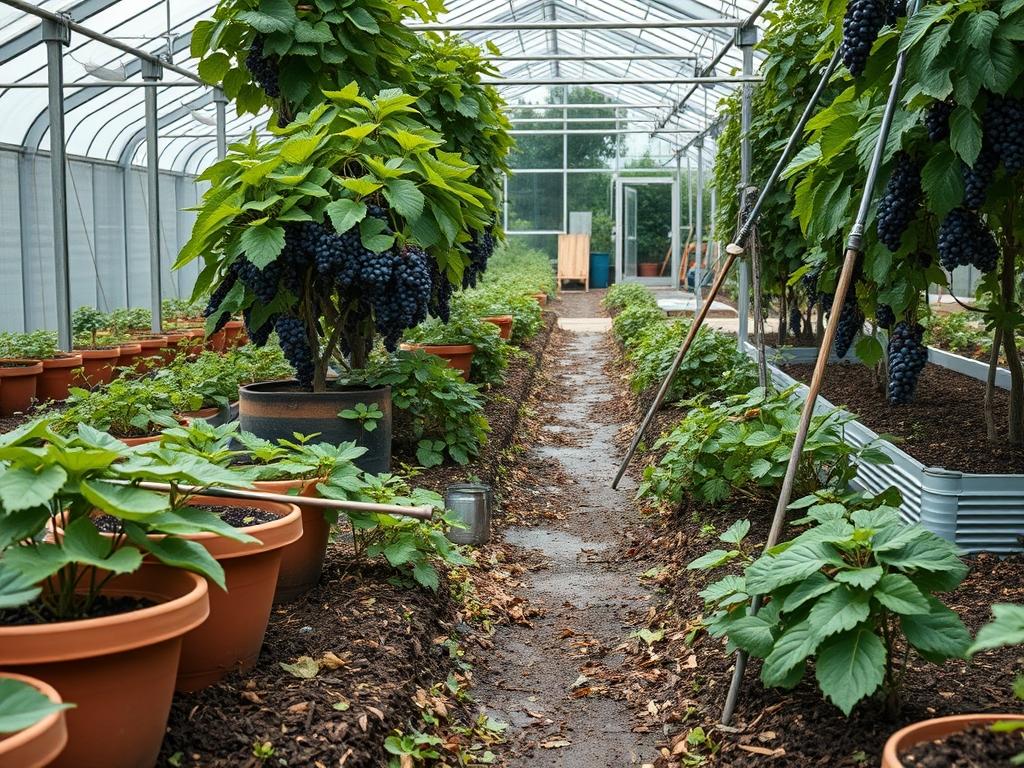
Cultivating the perfect backyard vineyard requires more than just planting a few seeds in the dirt. It is a sophisticated exercise in landscape architecture that balances aesthetic appeal with the rigorous demands of viticulture. For the homeowner, the primary challenge lies in integrating these vigorous vines into a cohesive garden design that enhances curb appeal while remaining functional for the harvest. Muscadines, native to the Southeastern United States, are particularly well suited for regional landscaping because they thrive in heat and humidity. However, their density and weight require substantial structural planning. When the goal is harvesting garden muscadines at peak sweetness, the landscape must be engineered to provide maximum sunlight and efficient drainage. This ensures the fruit develops the high sugar content, known as Brix, that defines a successful season. A poorly planned vineyard becomes a tangled eyesore that yields sour, underdeveloped fruit, whereas a professional layout turns the vineyard into a majestic focal point of the outdoor environment.
Landscape Design Principles
Symmetry and focal points are the cornerstones of a professional vineyard layout. When incorporating Muscadine vines into a master plan, the architect often uses the trellis system as a structural spine for the garden. This creates a sense of order and rhythm that guides the eye through the space. Placing a series of parallel trellises can define “rooms” within the outdoor living area, offering a sense of enclosure without blocking visual lines. Focal points, such as a central wrought iron arbor or a timber-framed pergola, provide a destination for visitors and a dedicated space for the vine to display its foliage and fruit.
Elevation layers are equally critical. Because Muscadines are naturally climbing plants, they occupy the vertical plane of the landscape. Designers must balance this height with lower-tier plantings to prevent the garden from feeling top-heavy. Using native grasses or low-spreading perennials at the base of the trellis creates a tiered effect that softens the transition from the ground to the vine. Irrigation planning must be integrated into the initial design phase. A drip irrigation system hidden beneath a layer of hardwood mulch ensures that water reaches the roots directly without wetting the leaves, which significantly reduces the risk of fungal diseases. Finally, walkways made of crushed slate or flagstone should be wide enough to allow for harvest baskets and pruning equipment, ensuring that the beauty of the landscape does not compromise its utility.
Plant and Material Selection
Selecting the right cultivars and hardscape materials determines the longevity of the garden. The following table provides a breakdown of essential components for a productive and attractive muscadine landscape.
| Plant or Material Type | Sun Exposure | Soil Needs | Water Demand | Growth Speed | Maintenance Level |
| :— | :— | :— | :— | :— | :— |
| Carlos Muscadine | Full Sun | Acidic Loam | Moderate | Fast | High (Annual Pruning) |
| Fry Bronze Muscadine | Full Sun | Well-Drained | Moderate | Fast | High (Fruit Thinning) |
| Supreme Black Muscadine | Full Sun | Sandy Loam | Moderate | Fast | Medium |
| Drip Irrigation Tubing | N/A | Sub-surface | High Efficiency | N/A | Low (Filter Cleans) |
| Pressure-Treated 4×4 | N/A | Ground Contact | N/A | N/A | Low (Check Level) |
| 9-Gauge Galvanized Wire | N/A | N/A | N/A | N/A | Medium (Tensioning) |
Implementation Strategy
The transition from a design on paper to a physical garden requires a systematic implementation strategy. The first step involves grading the site to ensure that water moves away from the vine bases. Muscadine vines are susceptible to root rot if they sit in standing water. Once the grade is established, the installer should mark the post holes for the trellis system. Professional standards suggest spacing 4×4 pressure-treated posts no more than 20 feet apart. Each post should be buried at least 2 feet deep and secured with quick-setting concrete to handle the massive weight of a mature vine during a heavy harvest.
After the structure is sound, the 9-gauge galvanized wire is strung at a height of 5 feet, which allows for easy harvesting while remaining at eye level for visual inspections. Edging the vineyard rows with steel landscape edging or stacked fieldstone prevents lawn grass from encroaching on the root zones. A 4-inch layer of organic mulch is then applied to the base to regulate soil temperature and retain moisture. For the best results, the irrigation lines should be pinned down before the mulch is spread. This systematic approach ensures that the environment is optimized for the vines to focus their energy on fruit production rather than surviving poor conditions.
Common Landscaping Failures
One of the most frequent mistakes in vineyard landscaping is root overcrowding. Ambitious gardeners often plant vines too close together, which leads to a canopy that is too dense for sunlight to penetrate. Without direct sun, the fruit remains green and tart. Another failure is improper drainage. If the site is level but the soil is heavy clay, the lack of infiltration will suffocate the fine feeder roots. Homeowners often forget to account for soil compaction during construction; heavy machinery used to install hardscaping can crush the soil structure, preventing the deep root penetration required for the vine to access minerals.
Irrigation inefficiencies also plague many garden designs. Overhead sprinklers are a common error as they promote leaf spot and rot by keeping the foliage excessively damp. Furthermore, failing to maintain the tension on the trellis wires can lead to sagging, which puts unnecessary stress on the vine’s main trunk. If the trunk bows or breaks, the flow of nutrients is interrupted, and the fruit will never reach peak sweetness. These technical failures are often the reason behind a disappointing harvest, regardless of the quality of the original plant stock.
Seasonal Maintenance
Managing a landscape for the purpose of harvesting garden muscadines requires a year-round commitment. In the spring, the focus is on growth management and fertilization. Application of a 10-10-10 balanced fertilizer along with zinc is essential for fruit set. As the summer progresses, the architect or gardener must monitor the vine for water stress. This is the period when sugar accumulation occurs. If the vine is stressed by drought, it will abort the fruit or produce small, bitter grapes.
Autumn is the most rewarding season, but it requires careful observation. To tell when harvesting garden muscadines is at peak sweetness, one must look for several indicators. The color of the fruit will shift from a bright green to a translucent bronze or a deep, dusty purple. The skin will lose its extreme turgidity and feel slightly soft when pressed Between the thumb and forefinger. A professional often uses a refractometer to measure the Brix level, looking for a reading between 16 and 18 percent. Finally, winter is the time for structural pruning. Removing up to 90 percent of the previous year’s growth is necessary to ensure the vine remains productive. This heavy pruning prevents the landscape from becoming overgrown and unsightly during the dormant months.
Professional Landscaping FAQ
How do I know the exact day to harvest?
Look for the “slip skin” characteristic. When a Muscadine grape is ripe, the pulp will easily slide out of the skin when squeezed. The fruit should also detach from the vine with a very gentle tug and no resistance.
Why does my fruit taste sour despite looking ripe?
Insufficient sunlight is usually the culprit. If the canopy is too thick, the inner fruit does not receive the UV rays needed for sugar conversion. Ensure you thin your Muscadine vines during the summer to allow light penetration.
Does mulch type affect the sweetness of the grapes?
While mulch doesn’t directly change flavor, pine bark or hardwood mulch maintains the consistent soil moisture needed for sugar development. Avoid dyed mulches containing chemicals that might leach into the root system and affect the plant’s health.
Can I grow Muscadines on a wooden fence?
Yes, but the fence must be exceptionally sturdy. A mature Muscadine vine can weigh several hundred pounds. Use heavy-duty staples to guide the vine and ensure the wood is treated to prevent rot from the moisture of the foliage.
What is the best way to handle poor drainage?
Install a French drain or create a raised berm for your vines. Elevating the root ball by even 12 inches above the surrounding grade can provide the necessary aeration to prevent root rot in heavy clay soils.