
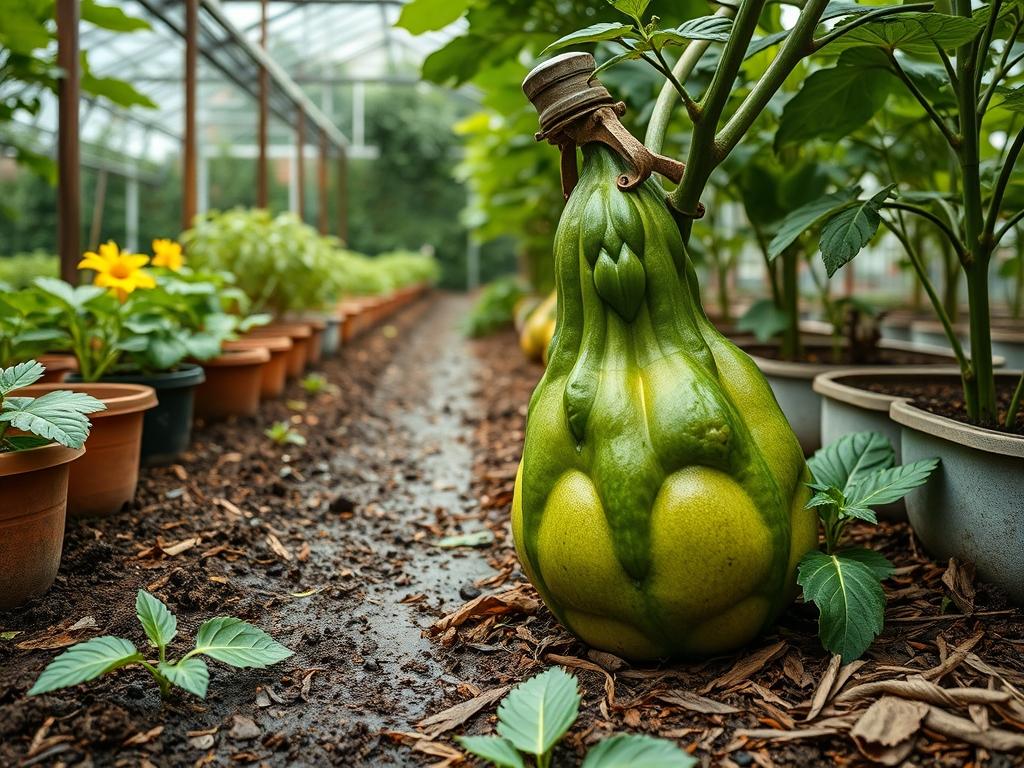
Integrating the Jamaican Tangelo, popularly known as the Ugli fruit, into a sophisticated residential landscape requires a delicate balance between horticultural necessity and aesthetic intent. As a senior landscape architect, I view the process of Harvesting Garden Ugli Fruit not merely as a seasonal domestic chore, but as the culmination of a meticulously planned outdoor environment. These citrus hybrids present unique challenges, specifically regarding their climate sensitivity and their physical form. Unlike the uniform canopy of a standard orange tree, the Ugli fruit tree often exhibits a more erratic, sprawling growth habit. This architectural unpredictability must be managed through strategic placement within the garden’s structural framework. Successful integration ensures that the tree contributes to the property’s curb appeal while providing a functional yield. When we design for these species, we must account for their specific microclimate requirements, as they thrive primarily in USDA zones 9 through 11. Creating a space where citrus can flourish involves more than just digging a hole; it requires a deep understanding of drainage, solar orientation, and the way the tree interacts with neighboring native plants and hardscaled elements.
Landscape Design Principles
Central to a professional garden plan is the concept of visual balance and functional accessibility. When positioning trees intended for Harvesting Garden Ugli Fruit, the architect must define clear sightlines and focal points. A singular citrus hybrid can serve as a stunning specimen plant, anchoring a corner of a courtyard or providing a lush green backdrop for a patio. Symmetry is often used in formal Mediterranean styles, where citrus trees are planted in pairs to flank a flagstone walkway or a grand entrance. However, for a more contemporary or naturalistic feel, asymmetrical groupings can create a sense of organic rhythm.
Elevation layers are critical in preventing a flat, uninspired landscape. By utilizing retaining walls or raised planters, we can elevate the citrus trees. This serves two purposes. Professionally, it improves drainage, preventing the dreaded “wet feet” that leads to root rot in citrus hybrids. Aesthetically, it brings the vibrant, oversized fruit closer to eye level, making the eventual harvest a more ergonomic and visual experience. Irrigation planning must be integrated into the initial design phase. We utilize secondary zones on a smart irrigation controller to ensure the citrus receives deep, infrequent watering, which encourages a robust root system capable of supporting heavy fruit loads. Walkways should be wide enough, at least 4 feet, to allow for the passage of a garden cart or wheelbarrow during the peak harvest season.
Plant and Material Selection
The success of a citrus-centric landscape depends heavily on the surrounding ecological and material context. Selecting the right companion plants and high-quality construction materials ensures longevity and reduces long-term maintenance costs.
| Plant Type | Sun Exposure | Soil Needs | Water Demand | Growth Speed | Maintenance Level |
| :— | :— | :— | :— | :— | :— |
| Ugli Fruit Tree | Full Sun | Well-drained Sandy Loam | Moderate/Deep | Medium | Moderate |
| Meyer Lemon | Full Sun | Slightly Acidic | High | Fast | High |
| Key Lime | Full Sun | Loamy/Neutral | Moderate | Fast | Moderate |
| Star Jasmine | Full/Partial Sun | Adaptable | Low | Fast | Low |
| Blue Fescue | Full Sun | Well-drained | Very Low | Slow | Very Low |
| Rosemary | Full Sun | Sandy/Grit | Very Low | Medium | Low |
For hardscaping, we recommend permeable pavers or decomposed granite for paths surrounding the harvesting area. These materials allow water to reach the peripheral root zones rather than creating runoff. For mulching, a 3 inch layer of shredded cedar mulch or pine bark is ideal. These organic materials break down slowly, adding nutrients back into the soil while suppressing weeds and maintaining consistent moisture levels.
Implementation Strategy
The transition from a blueprint to a thriving garden requires a methodical implementation strategy. We begin with a site analysis focused on grading and drainage. Citrus trees cannot tolerate standing water; therefore, the land must be sloped away from the tree base at a minimum of 2 percent grade. If the natural topography is flat, we construct a slight mound or “berm” using a mix of topsoil and compost.
Once the site is graded, the layout is marked using marking paint and wooden stakes. During the excavation phase, we use a trenching spade to dig a hole twice as wide as the root ball but no deeper. This prevents the tree from settling too low, which would expose the trunk to fungal infections. For the Ugli fruit tree, which can reach heights of 15 feet to 20 feet, spacing is vital. We ensure a minimum of 12 feet of clearance from the house foundation and other large structures to accommodate future canopy spread.
After planting, we install the irrigation system. For citrus, inline drip tubing is preferred over spray heads because it delivers water directly to the soil without wetting the foliage, which reduces the risk of leaf spot diseases. We then install edging, such as galvanized steel or recycled plastic, to create a clean border between the turf and the tree’s mulch bed. This prevents lawn mowers and string trimmers from damaging the sensitive bark of the citrus hybrids.
Common Landscaping Failures
The most frequent mistake I see in residential citrus planning is improper drainage. Many homeowners plant their trees in low-lying areas where water collects after a rainstorm. Without a percolation test, you are essentially gambling with the tree’s life. If your soil has high clay content, consider installing a French drain to divert excess water away from the root zone.
Root overcrowding is another significant issue. People often underestimate the mature width of a Jamaican Tangelo. When planted too close to fences or other trees, the lower branches will lose their leaves due to lack of sunlight, resulting in a leggy, unproductive tree. Furthermore, soil compaction is a silent killer. Heavy foot traffic or the use of heavy machinery near the tree collapses the air pockets in the soil. This prevents oxygen from reaching the roots. To mitigate this, we always design clearly defined paths to keep people from walking directly over the root zone. Finally, inconsistent irrigation leads to fruit splitting. If a tree goes through a drought and is then suddenly flooded with water, the fruit expands faster than the skin can grow, ruining the crop before it is ripe for Harvesting Garden Ugli Fruit.
Seasonal Maintenance
A landscape is a living entity that requires unique care throughout the year. In the Spring, we focus on structural pruning. Using bypass pruners and loppers, we remove any dead, diseased, or crossing branches to open up the canopy for better air circulation. This is also the time for the first application of a high-nitrogen citrus fertilizer.
During the Summer, the priority shifts to water management and pest monitoring. We check the irrigation emitters for clogs and ensure the mulch layer is still at a sufficient depth of 3 inches. If the temperatures exceed 95 degrees, we may implement supplemental hand-watering or use a soaker hose to prevent heat stress.
Autumn is the most rewarding period, as it is the primary window for Harvesting Garden Ugli Fruit. Unlike some citrus, the Ugli fruit can stay on the tree for several weeks once ripe, allowing for a staggered harvest. We use pole pruners for higher branches to avoid using ladders on uneven garden soil.
In the Winter, protection is paramount. Even in warm climates, a sudden frost can damage the fruit and new growth. We keep frost blankets or burlap on hand to wrap the trees during cold snaps. We also avoid pruning in late autumn, as the new growth triggered by pruning is particularly susceptible to freezing temperatures.
Professional Landscaping FAQ
How do I know when to begin Harvesting Garden Ugli Fruit?
Look for the skin to turn from a dull green to a yellowish-orange hue. The fruit should feel heavy for its size and have a slight “give” when squeezed gently. Taste one fruit before harvesting the entire crop to ensure peak sweetness.
Can I grow Ugli fruit in a large container?
Yes, but you must use a pot at least 24 inches in diameter with ample drainage holes. Use a high-quality potting mix designed for citrus and expect the tree to remain smaller than its ground-planted counterparts due to root restriction.
What is the best mulch for citrus hybrids?
Organic mulches like wood chips or pine needles are best. They regulate soil temperature and conserve moisture. Keep the mulch about 6 inches away from the trunk to prevent moisture buildup against the bark, which can cause rot and disease.
How much sun does my citrus tree actually need?
For maximum fruit production and tree health, citrus requires a minimum of 8 hours of direct sunlight daily. Planting in a southern exposure near a heat-reflecting wall can help provide extra warmth in slightly cooler microclimates within your garden.
Why is my fruit falling off the tree prematurely?
Premature fruit drop is often caused by environmental stress. Check for inconsistent watering, extreme temperature fluctuations, or a lack of nutrients. Ensure your irrigation system is delivering water deeply and consistently to the root zone during the fruit-setting stage.