
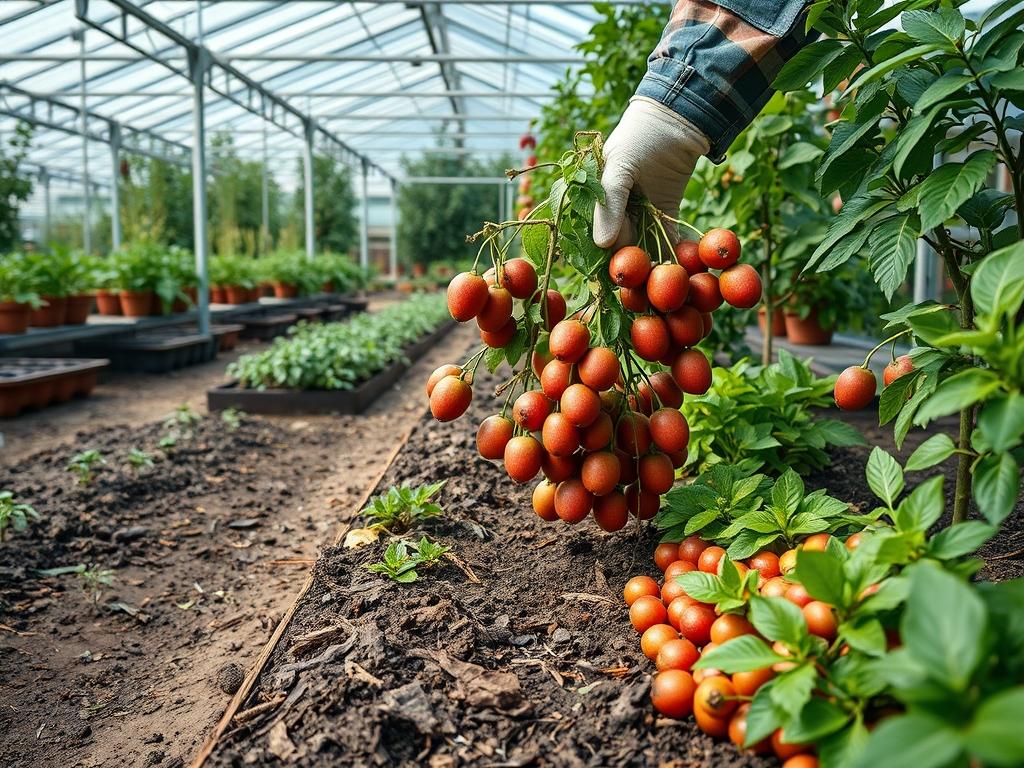
Integrating a specimen tree like the Chinese Date into a residential landscape requires a sophisticated understanding of both aesthetic balance and horticultural timing. Many homeowners approach garden design through a purely visual lens, yet the most successful outdoor environments prioritize the intersection of form and function. When the objective involves picking fresh jujubes, the placement of the tree becomes a strategic decision that affects curb appeal, harvest accessibility, and long term structural integrity. These trees are exceptionally hardy, thriving in regions that experience intense summer heat and significant temperature fluctuations. To maximize the value of the landscape, one must consider the transition of the fruit. Picking fresh jujubes is best when they turn mahogany, a visual indicator of peak brix levels and textural maturity. This shift from light green to a rich, reddish brown serves as a seasonal focal point, offering a changing color palette that enhances the garden’s late summer interest.
Proper site analysis is the first step in ensuring the tree contributes to the overall functionality of the outdoor living space. Because these trees require full sun to develop the sugars necessary for that deep mahogany finish, they should be positioned in areas with at least eight hours of direct light. This necessity often dictates the placement of secondary landscape elements such as patios, walkways, and seating walls. A well placed Ziziphus jujuba can provide dappled shade for a terrace while remaining accessible enough for the homeowner to reach the canopy during the harvest window. Designing the surrounding environment with a focus on ease of movement ensures that the process of picking fresh jujubes remains a pleasure rather than a chore.
Landscape Design Principles
Effective landscape design utilizes the jujube tree as a structural anchor. Because the tree possesses a unique, somewhat architectural branching habit, it functions well as a focal point within a symmetrical or asymmetrical layout. In a formal garden, a pair of these trees can flank a primary entrance, creating a sense of arrival and grandeur. For a more contemporary, organic feel, placing a single specimen at the end of a winding path creates a destination within the yard. This approach utilizes the principle of “hide and reveal,” where the full view of the mahogany fruit is only granted as one traverses the space.
Elevation layers are equally important. Planting the tree on a slight mound or within a raised retaining wall can accentuate its height and improve visual impact. This elevated position also serves a dual purpose by ensuring superior drainage, which is critical for the health of the root system. Designers often use lower tier plantings to ground the tree. Incorporating mid size shrubs and groundcovers creates a tiered effect that leads the eye upward toward the canopy. Visual balance is achieved by mirroring the airy texture of the tree with denser foliage at the base, such as Evergreen Distylium or Boxwood.
Irrigation planning must be integrated into the initial design phase. While established trees are famously drought tolerant, consistent moisture during the fruit set period is vital for a high quality harvest. A dedicated drip irrigation system, tucked beneath a layer of dark hardwood mulch, provides targeted hydration without promoting weed growth. Walkways should be planned with a minimum width of 36 inches to allow for easy passage with harvest baskets. Using materials like permeable pavers or crushed limestone ensures that the soil remains uncompacted, allowing the roots to breathe and expand naturally.
Plant and Material Selection
Selecting the right companions for a fruit bearing specimen involves balancing water needs and aesthetic compatibility. The following table outlines ideal selections for a cohesive and low maintenance garden beds.
| Plant Type | Sun Exposure | Soil Needs | Water Demand | Growth Speed | Maintenance Level |
| :— | :— | :— | :— | :— | :— |
| Ziziphus jujuba | Full Sun | Well-Drained | Low to Moderate | Moderate | Medium |
| Rosemary | Full Sun | Sandy/Rocky | Low | Fast | Low |
| Blue Oat Grass | Full Sun | Lean/Dry | Low | Moderate | Low |
| Russian Sage | Full Sun | Any/Well-Drained | Very Low | Fast | Low |
| Creeping Thyme | Full Sun | Well-Drained | Moderate | Fast | Low |
| Decomposed Granite | N/A | Sub-base required | None | N/A | Low |
Implementation Strategy
The successful installation of a productive landscape begins with professional grading. The land must be sloped away from the home’s foundation at a minimum of 2 percent to prevent water pooling. Once the grade is established, the layout of the hardscaping should be marked using stakes and string lines. Edging materials, such as heavy-duty steel or tumbled stone, should be installed to define the borders between turf and planting beds. This prevents grass from encroaching on the tree’s root zone and provides a clean, professional finish.
When planting the tree, the hole should be twice as wide as the root ball but no deeper. Digging too deep can cause the tree to sink over time, leading to crown rot. After positioning the tree, backfill with the native soil, amending only slightly if the soil is heavy clay. Avoid over-fertilizing during the first year; the goal is to encourage deep root penetration rather than excessive top growth. A 3-inch layer of organic mulch should be spread around the base, keeping it a few inches away from the trunk to allow for air circulation.
Drainage remains the most critical factor in the implementation strategy. If the site has poor percolation, installing a French drain or a dry creek bed can redirect excess runoff. These features can be designed to look like naturalistic landscape elements by using varying sizes of river rock and boulders. This ensures that the tree’s roots never sit in stagnant water, which is the primary cause of poor fruit quality and tree decline.
Common Landscaping Failures
One of the most frequent mistakes in garden planning is root overcrowding. Homeowners often plant competing species too close to the base of the tree, which leads to a struggle for nutrients and water. This competition can stress the tree, causing it to drop fruit before it reaches the mahogany stage. Proper spacing, based on the mature spread of each plant, is essential for a sustainable ecosystem.
Soil compaction is another silent killer of high-end landscapes. During the construction of walkways or patios, heavy machinery can crush the soil structure, leaving no room for oxygen or water movement. Using geotextile fabric and a proper base of compacted gravel under hardscaping can mitigate this, but planting zones should always be protected from heavy foot traffic. Furthermore, irrigation inefficiencies, such as overwatering via high-flow spray heads, can lead to fungal issues. Switching to a high-efficiency drip system prevents water from sitting on the foliage and fruit.
Seasonal Maintenance
Landscape management is a year round commitment that changes with the seasons. In the spring, the focus should be on light pruning to remove any dead or crossing branches. This opens up the canopy to better light penetration, which is a prerequisite for picking fresh jujubes later in the year. Applying a balanced, slow release fertilizer in early spring supports the flush of new growth.
Summer maintenance involves monitoring the irrigation system and managing weeds. As the temperatures rise, the fruit will begin to swell. This is the time to ensure the mulch layer is intact to conserve soil moisture. By late summer, the skin of the fruit will start to change from green to a creamy yellow, eventually developing the characteristic mahogany spots.
Autumn is the primary harvest season. This is when the landscape truly performs. Picking fresh jujubes during the mahogany phase ensures the highest sugar content and the crispest texture. Once the harvest is complete, rake up any fallen fruit or debris to prevent pests from overwintering in the soil.
Winter is the time for structural maintenance. Since the jujube is deciduous, its winter silhouette is highly visible. This is the ideal window for “hard pruning” if the tree needs to be reshaped. Checking the integrity of the retaining walls and cleaning out drainage pipes ensures the landscape is ready for the spring thaw. Low maintenance does not mean no maintenance; consistent attention to these details preserves the value of the outdoor environment.
Professional Landscaping FAQ
How do I know the fruit is ready for picking?
Wait for the skin to transition from light green to a deep mahogany brown. This color change signals that the fruit has reached its peak sweetness and the texture is crisp like an apple.
What is the best mulch for fruit trees?
Use a high quality shredded hardwood mulch or arborist wood chips. Apply it at a depth of 3 inches to regulate soil temperature and retain moisture while suppressing competitive weed growth near the root zone.
Can I grow these trees in heavy clay soil?
Yes, but you must improve the drainage. Plant the tree on a slight mound or install a French drain system to ensure water moves away from the root ball, preventing rot and fungal diseases.
How much space does a mature jujube tree need?
Plan for a mature spread of 15 to 20 feet. Ensure that walkways and other permanent structures are placed outside this radius to avoid root interference and to allow for easy harvest access.
When is the best time to prune for fruit production?
Perform structural pruning in late winter while the tree is dormant. This allows you to see the branch framework clearly and encourages vigorous new growth that will support the upcoming season’s fruit set.