
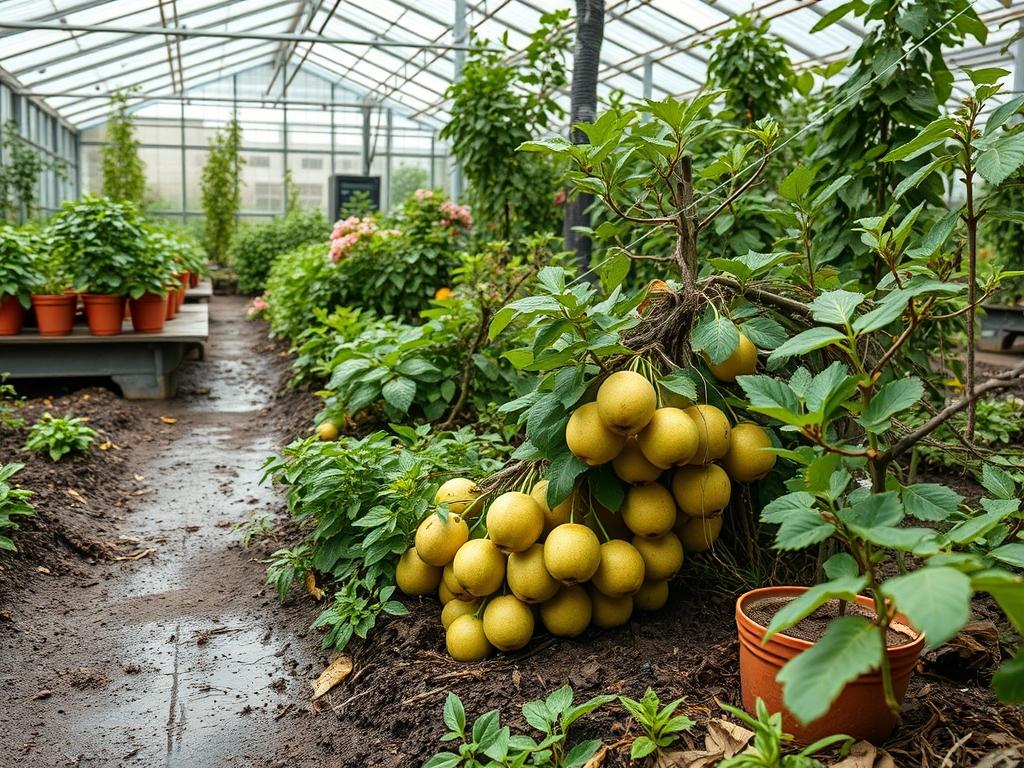
The medlar tree, known botanically as Mespilus germanica, provides a distinct architectural profile that many contemporary garden designs lack. As a senior landscape architect, I often recommend this species for homeowners seeking a historical aesthetic combined with high functional yield. Integrating a medlar into a master landscape plan requires more than simple digging. It involves understanding the interplay between microclimates and the seasonal shift in fruit chemistry. Medlars are often overlooked because their fruit is inedible when first picked. However, the process of bletting, which turns the hard, acidic fruit into a soft, custard like delicacy, is a rewarding horticultural ritual. From a curb appeal perspective, the medlar offers a broad, spreading canopy and large, five petaled white flowers in late spring. Its twisted, evocative branch structure adds significant winter interest, making it a premier choice for focal point planting in temperate zones.
The challenge in modern landscaping is balancing the ornamental value of a specimen with its maintenance requirements. Medlars are hardy but thrive best when localized drainage and airflow are meticulously planned. Successful harvesting garden medlars begins with the site selection. If the tree is tucked away in a stagnant corner, the risk of fungal infections like leaf blotch increases. Conversely, placing the medlar in a prominent, sunny location allows the foliage to cycle nutrients effectively, leading to a more robust sugar concentration in the fruit. This elevates the outdoor environment from a passive green space to a productive edible landscape. By considering the transition from raw harvest to bletted fruit, we can design garden spaces that celebrate the passage of time and the unique rewards of the autumn season.
Landscape Design Principles
In professional garden planning, symmetry and focal points dictate how a viewer moves through the space. The medlar tree naturally draws the eye due to its unique leaf shape and weeping or spreading habit. When positioning this specimen, consider the elevation layers of your garden. A medlar should typically occupy the mid layer, acting as a bridge between the high canopy of deciduous oaks or maples and the lower shrub or herbaceous border. This creates a staggered visual effect that adds depth to the property.
Walkways should be designed to lead toward the medlar but not necessarily under it. Because the fruit falls when ripe, placing a path directly beneath the canopy can lead to messy stone surfaces or slippery conditions during the late autumn harvest. Instead, use a gravel or flagstone path that skirts the drip line. This allows easy access for harvesting garden medlars without compromising the cleanliness of the primary hardscaping.
Irrigation planning is another pillar of successful design. A medlar requires consistent moisture, particularly in the first three years of establishment. However, we must avoid pooling at the base. Implementing a slight grade or a subterranean drainage system ensures that water reaches the roots but exits the soil profile before it causes compaction or root rot. By using organic mulch around the base, we stabilize soil temperatures and mimic the natural woodland floor, which is the native habitat of this species.
Plant and Material Selection
| Plant or Material | Sun Exposure | Soil Needs | Water Demand | Growth Speed | Maintenance |
| :— | :— | :— | :— | :— | :— |
| Mespilus germanica | Full Sun to Part Shade | Loamy, Well-Drained | Moderate | Slow to Medium | Low to Moderate |
| Sarcococca confusa | Deep Shade | Humus Rich | Moderate | Slow | Very Low |
| Crocus tommasinianus | Full Sun | Gritty, Fast-Draining | Low | Fast (Seasonal) | Low |
| Organic Cedar Mulch | N/A | N/A | N/A | N/A | Annual Refill |
| River Stone (3-5cm) | N/A | N/A | N/A | N/A | Minimal Cleaning |
| Core-Ten Edging | N/A | N/A | N/A | N/A | Zero Maintenance |
Implementation Strategy
The transition from a design on paper to a physical landscape requires a systematic approach. Begin with grading the site. For fruit trees like the medlar, a gentle slope of 1 to 2 percent away from the trunk prevents water from sitting against the bark. This is critical for preventing crown rot. Once the grade is established, map out the edging. Using heavy duty steel or Core-Ten edging provides a clean line between the turf and the planting bed, making it easier to maintain a weed free zone.
When planting, excavate a hole that is twice as wide as the root ball but no deeper. This encourages lateral root growth into the surrounding native soil. Incorporating a 75 gram dose of mycorrhizal fungi at the root level can significantly enhance nutrient uptake. After backfilling with a mix of native soil and high quality compost, firm the ground with your heel to remove large air pockets.
Mulching is the next critical step. Apply a 5cm to 8cm layer of woodchip mulch, ensuring it does not touch the trunk itself. This gap prevents moisture from being trapped against the bark, which can invite boring insects. For drainage, especially in heavy clay areas, consider a French drain or a simple gravel trench installed uphill from the tree. This diverts excess runoff during heavy spring rains, keeping the soil oxygenated for the medlar roots.
Common Landscaping Failures
The most frequent mistake I see in home orchards is root overcrowding. Homeowners often try to pack too many species into a small area. This forces the medlar to compete for vertical space and sunlight. Without at least six hours of direct sun, the fruit will struggle to develop the necessary tannins and sugars required for successful bletting.
Improper spacing also leads to poor air circulation. If a medlar is squeezed between a solid fence and a dense evergreen, powdery mildew becomes an inevitability. Always allow for a 4 meter radius around the tree to accommodate its mature spread. Another failure involve irrigation inefficiencies. Overwatering in late summer can result in split fruit, while underwatering can cause the tree to drop its crop prematurely.
Soil compaction is a silent killer of garden medlars. Construction traffic or heavy footpaths near the root zone compress the macropores in the soil, suffocating the roots. If you are renovating your landscape, ensure the area around the medlar is cordoned off with orange safety fencing to prevent heavy machinery from damaging the underground architecture of the tree.
Seasonal Maintenance
Spring is the season for structural assessment. Before the buds break, prune away any dead, damaged, or crossing branches. Aim for an open center to allow sunlight to penetrate the interior of the canopy. This is also the time to apply a balanced, slow release organic fertilizer to support the initial growth spurt.
During the summer, monitoring is key. Watch for pests and ensure that the irrigation system is functioning correctly during heatwaves. A deep soak once a week is better than shallow daily watering. As autumn approaches, the focus shifts to the fruit. Harvesting garden medlars usually occurs in late October or early November. The fruit should be left on the tree until the first frost, which triggers the bletting process. If the birds are particularly aggressive, you may harvest them slightly early once they are fully sized and brown.
The secret to bletting is patience. Once harvested, place the medlars in a cool, dark place. Traditional methods involve nesting them in a box of sawdust or straw, with the eye of the fruit facing downward. Over two to three weeks, the flesh will soften and the color will deepen. Finally, in winter, the medlar remains a structural asset. Its dark, fissured bark and architectural silhouette provide a stark, beautiful contrast against the winter sky, proving that a well planned landscape serves a purpose in every season.
Professional Landscaping FAQ
When is the optimal time for harvesting garden medlars?
Wait until the first frost in late autumn. If birds are attacking the crop, harvest earlier and store them in a cool, dark place. The fruit is ready when it turns soft and pulpy, resembling a browned apple.
How do I prevent drainage issues around my medlar tree?
Ensure the planting site is slightly elevated above the surrounding grade. Use a soil mix containing organic matter to improve porosity. If your garden has heavy clay, consider installing a French drain or a gravel soakaway to divert excess water.
What is the best mulch for an edible landscape?
Aged woodchips or cedar mulch are excellent choices. They provide a stable thermal blanket for the roots and break down slowly to add nutrients. Always keep the mulch 5cm away from the tree trunk to prevent fungal rot.
Does a medlar tree require a second tree for pollination?
Most medlar varieties are self-fertile, meaning you only need one tree to produce a harvest. However, having a second tree or a diverse garden with other flowering plants can improve pollination rates by attracting more bees and beneficial insects.
How much pruning does a mature medlar need?
They require very little pruning. Remove the three Ds: dead, damaged, or diseased wood. Focus on maintaining an open habit to allow light to reach the fruit. Heavy pruning should be avoided as it can stimulate excessive leafy growth at the expense of fruit.