
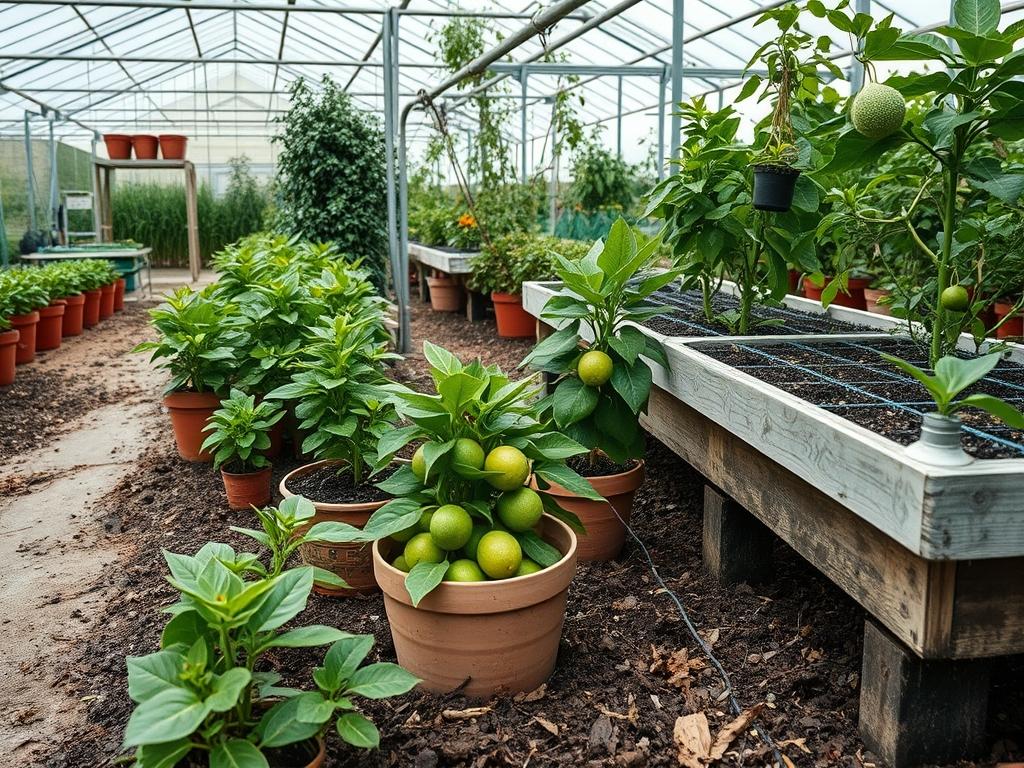
Integrating productive species like the Kaffir Lime, also known as the Makrut Lime, into a high end residential landscape requires a deliberate balance between architectural structure and culinary utility. Often, homeowners struggle to reconcile the somewhat irregular growth habit of citrus with the clean lines of a modern garden. While the glossy, double lobed leaves provide a unique textural element, the true value of the plant lies in its aromatic oils and zest. Successful harvesting garden Kaffir Lime strategies begin long before the first leaf is plucked; they start with site selection and the mitigation of microclimatic stressors. When positioned correctly, these trees offer both visual interest and a sustainable source of flavor, enhancing the overall outdoor living experience through sensory engagement.
In many temperate and subtropical zones, the challenge involves managing the tree’s health across fluctuating seasons while maintaining curb appeal. A poorly managed citrus tree can become leggy and yellow, detracting from the landscape’s aesthetic. Proper landscape architecture treats the Citrus hystrix not just as a food source, but as a structural component. By incorporating tiered garden beds or strategically placed large terracotta planters, you can control the environment and ensure the tree remains a vibrant focal point. This approach allows for easier access during harvest and ensures the tree receives the precise drainage required to prevent root diseases that often plague citrus in heavy clay soils.
Landscape Design Principles
When designing a garden with citrus in mind, symmetry and visual balance are paramount. A single Kaffir Lime tree can serve as a stunning specimen plant within a localized focal point, especially when framed by low growing perennials or structured hedges. For larger estates, consider an allee of citrus to define a walkway or transition zone. This creates a rhythm that leads the eye toward an outdoor kitchen or seating area. If the landscape relies on formalized geometric patterns, use circular stone edging or a square timber frame to contain the root zone and provide a clean break between the tree and the surrounding lawn or ground cover.
Elevation layers play a critical role in both the health of the tree and the ease of harvest. Planting the Kaffir Lime on a slight mound or within a raised masonry planter ensures that the root crown remains above the saturation line during heavy rainfall. This elevation also brings the foliage closer to chest height, making the task of leaf selection much more ergonomic. Irrigation planning must be integrated into the initial design phase. A subsurface drip irrigation system is often the best choice, as it delivers water directly to the root zone without wetting the foliage, which reduces the risk of fungal infections such as citrus scab or melanose.
Visual balance is achieved by pairing the coarse texture of the lime’s leaves with finer textured companion plants. Consider ground covers like creeping thyme or silver falls dichondra to soften the base of the tree. These companions do not compete heavily for nutrients but provide a cohesive look that bridges the gap between the woody trunk and the structural hardscaping.
Plant and Material Selection
Selecting the right materials and companion species is essential for a low maintenance, high yield garden. The following table outlines the requirements for the Kaffir Lime and common landscape companions used in edible Mediterranean or Tropical designs.
| Plant Type | Sun Exposure | Soil Needs | Water Demand | Growth Speed | Maintenance Level |
| :— | :— | :— | :— | :— | :— |
| Kaffir Lime | Full Sun | Well drained, Acidic | Moderate | Slow to Moderate | Medium |
| Lemongrass | Full Sun | Rich, moist soil | High | Fast | Low |
| Thai Basil | Full Sun | Loamy, fertile | Moderate | Fast | Medium |
| Rosemary | Full Sun | Sandy, dry | Low | Moderate | Low |
| Dwarf Gardenia | Partial Shade | Acidic, organic | Moderate | Slow | High |
In addition to plant selection, the materials used for mulching and pathways impact the tree’s productivity. Use crushed granite or pea gravel for walkways to allow for drainage and to reflect heat toward the tree in cooler months. For mulching the tree itself, a 3 inch layer of organic cedar mulch or pine bark nuggets is recommended to regulate soil temperature and suppress weeds.
Implementation Strategy
The transition from a design plan to a flourishing backyard begins with professional grading. Before planting, ensure the site slopes away from the residence at a minimum grade of 2 percent to prevent water pooling. If you are installing a Kaffir Lime in an area with heavy soil, excavate a hole 3 times wider than the root ball but no deeper than the original container. This allows the lateral roots to penetrate the soil easily while keeping the tree from sinking too deep over time.
Once the hole is prepared, incorporate composted steer manure or aged forest products into the backfill soil to improve aeration. If you are using a high density polyethylene (HDPE) root barrier to protect nearby walkways or retaining walls, install it at this stage. After the tree is set, install edging such as powder coated steel or tumbled stone to create a distinct boundary for the mulch bed. This prevents lawn mowers from damaging the trunk and keeps the mulch from migrating into the grass.
For the irrigation, stagger 0.9 gallon per hour emitters around the canopy’s drip line. As the tree grows, these emitters should be moved outward to encourage the root system to expand. Finalize the installation by applying a slow release citrus fertilizer with an 8-2-10 NPK ratio to provide a steady supply of nutrients during the establishment phase.
Common Landscaping Failures
The most frequent failure in harvesting garden Kaffir Lime setups is poor drainage. Citrus trees are highly susceptible to Phytophthora root rot when their “feet” stay wet. Many homeowners make the mistake of planting in a depression or failing to account for the runoff from nearby hardscapes. If the soil remains saturated for more than 24 hours, the tree will likely suffer leaf drop and fruit rot. Always test your soil’s percolation rate before installation.
Another common issue is root overcrowding and improper spacing. While it is tempting to plant several species close together for an instant lush look, the Kaffir Lime requires adequate airflow to prevent pests like citrus leafminer and scale insects. Proper spacing should allow for a 6 to 8 foot clearance between matures trees. Furthermore, irrigation inefficiencies, such as using overhead sprinklers, can lead to salt buildup on the leaves and increased disease pressure. Always favor low volume drip systems over high pressure sprayers.
Seasonal Maintenance
Maintaining a productive harvest requires a seasonal approach to care. In the spring, focus on structural pruning. Use sharp bypass pruners to remove any dead or crossing branches and to thin the interior of the canopy for better light penetration. This is also the time to apply the first round of organic fertilizer.
Summer is the peak growing season, requiring consistent moisture. Monitor the soil regularly; if the top 2 inches are dry, it is time to water. This is also when you will perform the bulk of your harvesting garden Kaffir Lime activities. For the best flavor, harvest the leaves by hand or with snips, choosing the mature, dark green double leaves. Avoid taking more than 20 percent of the canopy at any one time.
As autumn arrives, the fruit will reach its full size, usually around 2 to 3 inches in diameter with a distinctively bumpy, dark green rind. Harvest the fruit before the first frost, as the oils in the rind are most potent when the fruit is firm. In winter, maintenance slows down. If you live in a region where temperatures drop below 32 degrees Fahrenheit, protect the tree with frost blankets or burlap wraps. Minimize watering during this dormant period to prevent root chill.
Professional Landscaping FAQ
How often should I harvest leaves to maintain tree health?
You should harvest leaves every 4 to 6 weeks during the growing season. Regular, light pruning encourages new growth and prevents the tree from becoming leggy. Always leave at least 80 percent of the foliage intact to ensure thick, healthy growth.
What is the best way to harvest the fruit without damaging the tree?
Use a pair of sharp garden shears to cut the fruit stem rather than pulling by hand. Pulling can tear the delicate bark and create entry points for pathogens. Harvest fruit when it is 2 inches wide and deep green.
Can I grow Kaffir Lime in a container on a patio?
Yes, use a 20 gallon pot with multiple drainage holes and a high quality citrus potting mix. Ensure the container is on pot feet to prevent water from being trapped against the bottom, which maintains necessary airflow for the roots.
Why are the leaves on my lime tree turning yellow with green veins?
This is typically a sign of iron chlorosis or magnesium deficiency, often caused by alkaline soil. Apply a chelated iron supplement and ensure your soil pH is between 6.0 and 6.5 for optimal nutrient uptake in your landscape.
How do I manage pests like scale or aphids naturally?
Apply neem oil or insecticidal soap during the early morning or late evening to avoid leaf burn. High pressure water sprays can also dislodge pests. Maintaining a healthy ecosystem with beneficial insects like ladybugs will provide long term biological control.