
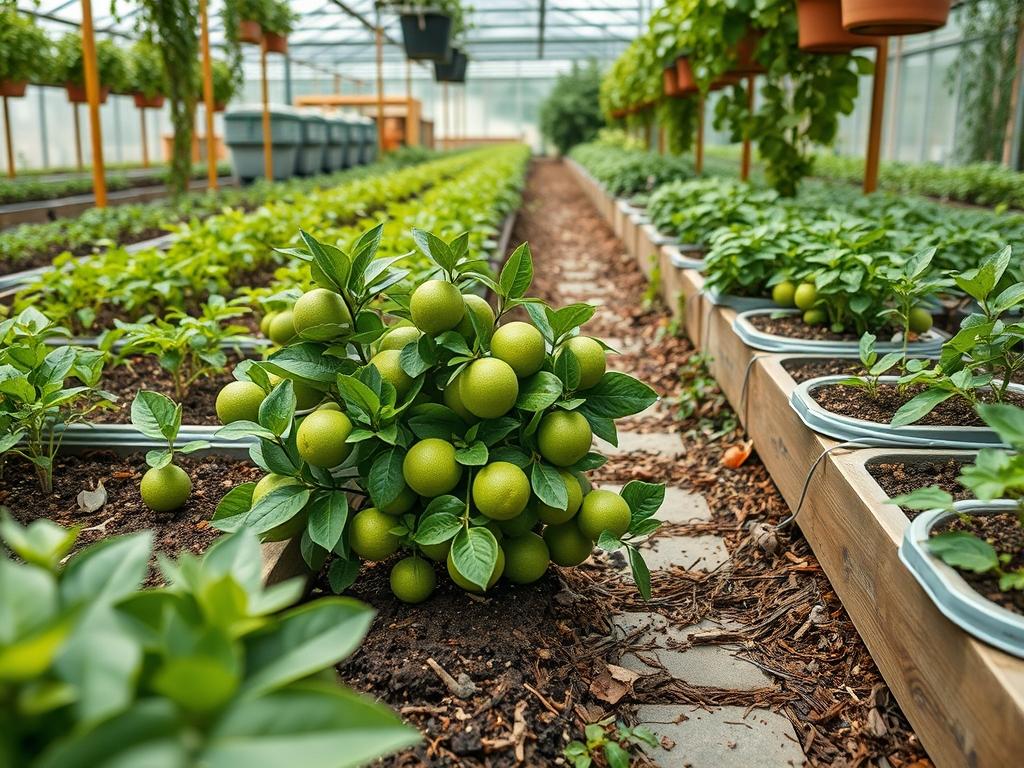
Integrating the Australian finger lime into a residential or commercial landscape requires a sophisticated understanding of both aesthetic design and horticultural precision. Known botanically as Citrus australasica, these plants offer a unique structural silhouette characterized by dense, thorny branches and tiny, delicate leaves. From a landscape architect’s perspective, the challenge lies in positioning these specimens where their ornamental beauty can be appreciated without the thorns interfering with high traffic walkways. When we discuss the process of picking ripe finger limes, we are not merely talking about a harvest; we are managing a seasonal transition that affects the visual density and health of the entire garden bed. Proper garden planning ensures that these trees serve as functional focal points that provide “citrus caviar” while contributing to the overall curb appeal and ecological balance of the outdoor environment.
Successful outdoor environments depend on the interplay between hardscaping and softscaping. In regions where citrus thrives, such as USDA plant hardiness zones 8 through 11, the finger lime acts as a versatile mid story evergreen. Its ability to be hedged or grown as a standalone specimen makes it a favorite for modern, minimalist landscapes. Because the fruit develops over several months, the tree remains a point of visual interest throughout the year. As an architect, I look at the placement of these trees in relation to drainage patterns and sun exposure. The goal is to create a space that feels intentional, where every plant has the room it needs to reach maturity without overcrowding its neighbors.
Landscape Design Principles
When designing a landscape around citrus varieties, symmetry and focal points remain the most reliable tools for creating a sense of order. A pair of finger lime trees flanking a formal entrance provides a sophisticated, vertical element that draws the eye upward. However, because of their thorny nature, these trees should be set back at least 3 feet from the edge of primary walkways. This distance allows the canopy to expand while keeping the path safe for pedestrians. We also consider elevation layers; placing smaller, soft textured perennials like Dwarf Mondo Grass at the base of the citrus tree creates a contrast in texture that highlights the rugged bark and fine foliage of the lime.
Irrigation planning is another critical pillar of professional design. Citrus trees require consistent moisture but are highly susceptible to root rot if water stagnates around the crown. We typically design garden beds with a slight grade, perhaps 2 percent, to ensure that excess rainfall moves away from the trunk. Visual balance is achieved by repeating certain colors or textures throughout the space. If the finger lime has dark, glossy leaves, we might pair it with dark slate pavers or charcoal colored gravel mulch to create a cohesive, contemporary color palette. This holistic approach ensures that the garden looks professional even during the dormant winter months.
Plant and Material Selection
| Plant Type | Sun Exposure | Soil Needs | Water Demand | Growth Speed | Maintenance Level |
| :— | :— | :— | :— | :— | :— |
| Finger Lime | Full Sun | Sandy Loam | Medium | Moderate | Medium |
| Kaffir Lime | Full Sun | Rich, Loamy | High | Fast | High |
| Dwarf Meyer Lemon | Full Sun | Well-drained | Medium | Moderate | Low |
| Blue Fescue | Full Sun | Well-drained | Low | Medium | Low |
| Rosemary | Full Sun | Gritty, Sandy | Low | Fast | Low |
The selection of materials is just as important as the plants themselves. For finger limes, we recommend using a high quality Organic Mulch, such as cedar or pine bark, maintained at a depth of 3 inches. This helps regulate soil temperature and moisture. Avoid using heavy river rocks directly against the trunk of the tree; stones can heat up in the sun and cause bark scald, which weakens the plant and reduces fruit yield.
Implementation Strategy
The implementation of a citrus centric backyard starts with a detailed layout and site preparation. Grading is the first step; the soil must be leveled or sloped away from buildings to prevent drainage issues. Once the grade is established, we mark the center of each planting hole using Landscape Marking Paint. For a finger lime, the hole should be twice as wide as the root ball but no deeper. This ensures the root flare remains at or slightly above the soil line, which is vital for the long term health of the tree.
Edging provides the clean lines necessary for high curb appeal. We often use Steel Edging or Paver Restraints to create a sharp transition between the turf and the citrus grove. This prevents grass from creeping into the root zone where it would compete for nutrients. After planting, we install a Drip Irrigation System with emitters placed at the drip line of the canopy rather than at the trunk. This encourages the roots to grow outward, creating a more stable and drought resistant tree. Picking ripe finger limes becomes much easier when the tree is healthy and the surrounding area is free of debris and weeds.
Common Landscaping Failures
One of the most frequent mistakes in residential landscapes is root overcrowding. Homeowners often plant multiple citrus trees too close together, failing to realize that a mature finger lime can reach a width of 5 to 8 feet. When canopies overlap, air circulation is restricted; this creates a humid environment where fungal diseases and pests like scale or aphids thrive. Furthermore, improper spacing makes the process of picking ripe finger limes difficult and painful due to the dense thorns.
Drainage mistakes are equally detrimental. If a tree is planted in a low spot where water collects, the roots will eventually suffocate. Soil compaction is another silent killer. During construction or hardscaping, heavy equipment often packs the soil down, destroying the macropores that allow oxygen to reach the roots. To fix this, we recommend Liquid Aeration or mechanical core aeration before planting. Finally, irrigation inefficiencies, such as using overhead sprinters that wet the foliage, can lead to leaf spot and fruit scarring. Transitioning to a dedicated drip or soaker system is the professional standard for high end landscapes.
Seasonal Maintenance
Seasonal management is the key to a productive and beautiful garden. In the spring, the focus is on fertilization and lightly pruning the interior of the tree to improve light penetration. We use a high nitrogen Citrus Fertilizer to support the initial growth flush. As we move into summer, monitoring soil moisture becomes the priority. Large, established trees may need a deep soaking once a week if natural rainfall is insufficient.
Autumn is the primary season for picking ripe finger limes. Unlike standard limes, finger limes do not fall off the tree when they are ready. You must feel the fruit; a ripe finger lime will feel firm but have a slight “give” and will come off the branch with a gentle tug. If you have to pull hard, the fruit is not yet mature. In winter, the focus shifts to protection. If a hard freeze is predicted, we recommend using Frost Blankets or Burlap Wraps to protect the sensitive graft union. Pruning should be kept to a minimum in winter to avoid stimulating new growth that could be damaged by the cold.
Professional Landscaping FAQ
How can I tell if a finger lime is ready to harvest?
A ripe finger lime will feel slightly springy when squeezed and should detach easily from the branch. The skin color will be vibrant and consistent throughout the fruit. If it resists a gentle pull, allow it more time.
What is the best way to extract the citrus caviar?
Slice the fruit crosswise and gently squeeze from the bottom. The juice vesicles, which look like small beads or caviar, will pop out easily. Avoid slicing lengthwise, as this can rupture the delicate membranes of the citrus pearls.
Can finger limes be grown in large containers on a patio?
Yes, they perform exceptionally well in 20 gallon pots. Ensure the container has excellent drainage and use a high quality Potting Mix designed for citrus. Potting allows for better control over soil quality and provides portability during winter.
Why are the leaves on my finger lime turning yellow?
Yellowing leaves, often called chlorosis, usually indicate a nitrogen deficiency or poor drainage. Check the soil moisture levels first. If the soil is not waterlogged, apply a Chelated Iron supplement or a balanced citrus fertilizer to restore green foliage.
Does a finger lime tree require a second tree for pollination?
Most finger lime varieties are self fertile, meaning a single tree will produce fruit. However, having multiple trees or a variety of citrus in the garden can increase the overall fruit set through increased pollinator activity and cross pollination.