
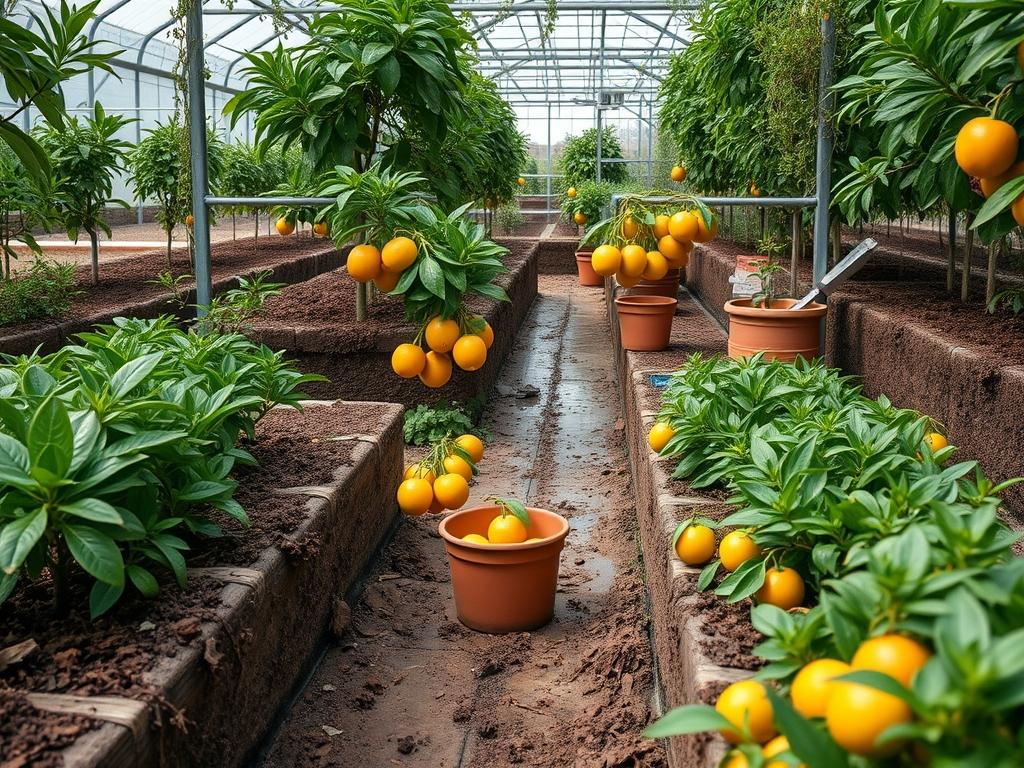
Integrating edible elements into a sophisticated landscape design requires a delicate balance between aesthetic form and functional utility. For many property owners, the challenge lies in creating a garden that offers high yields without sacrificing the clean lines and structured beauty of a professional outdoor environment. Picking fresh calamondins from a well integrated potted garden represents the pinnacle of this dual purpose approach. These small, vibrant citrus trees, professionally known as Citrus mitis, provide a year round visual interest that few other ornamental plants can match. In urban and suburban settings where ground space is often at a premium, the use of containerized citrus allows a designer to manipulate elevation, control soil chemistry, and ensure optimal sun exposure that would be impossible in traditional garden beds.
The architectural value of the calamondin tree stems from its dense, evergreen foliage and the persistent presence of both fragrant white blossoms and bright orange fruit. From a curb appeal perspective, a pair of matching terracotta containers or glazed ceramic pots flanking an entryway creates an immediate sense of symmetry and intention. Beyond the visual, the practical benefits of picking fresh calamondins are significant. These fruits offer a unique flavor profile that bridges the gap between lime and tangerine, making them a versatile asset for the culinary minded homeowner. By treating the potted garden as a mobile landscape unit, we can solve common site issues such as poor native soil quality, aggressive root competition from subterranean infrastructure, and the seasonal shifts in light patterns that often plague fixed garden installations.
Landscape Design Principles
When planning a container garden centered around calamondins, the principle of symmetry serves as the foundational logic for placement. Using mirrored pairs of trees to define a transition point, such as the threshold between a patio and a lawn, creates a formal structure that grounds the rest of the softscape. These trees function as living sculptures. Their rounded canopy can be maintained through precise pruning to mirror the geometry of the surrounding hardscape. This creates a cohesive visual language where the organic curves of the plant soften the rigid lines of paver stones or retaining walls.
Focal points are equally critical in a professional layout. A single, large 15-gallon calamondin placed at the terminus of a sightline draws the eye across the landscape, making small spaces feel more expansive. To enhance this effect, designers often use elevation layers. Placing pots on wrought iron stands or custom built stone plinths varies the vertical plane of the garden. This prevents the “flat” look that occurs when all foliage resides at the same height. Furthermore, the integration of irrigation planning is paramount. Even in a potted environment, a hidden 1/4-inch drip line connected to an automated timer ensures the health of the tree while maintaining a clutter free appearance. Walkways should be designed with at least 36 inches of clearance to allow for easy movement around the pots, ensuring that picking fresh calamondins remains a convenient and pleasant task rather than a navigational hurdle.
Plant and Material Selection
The success of a potted garden depends heavily on selecting companion plants that share similar cultural requirements. The following table outlines the technical specifications for a balanced, citrus centric container arrangement.
| Plant Type | Sun Exposure | Soil Needs | Water Demand | Growth Speed | Maintenance Level |
| :— | :— | :— | :— | :— | :— |
| Calamondin Orange | Full Sun (6-8 hrs) | Well-drained Acidic | Moderate/Regular | Moderate | Medium |
| Rosemary | Full Sun | Gritty/Sandy | Low | Fast | Low |
| Sweet Alyssum | Full Sun/Part Shade | Rich Loam | Moderate | Fast | Low |
| Dwarf Gardenia | Part Sun | Highly Acidic | High | Slow | High |
| Creeping Jenny | Part Sun/Full Sun | Moist/Standard | High | Fast | Moderate |
For the structural materials, I recommend using high-fired frost-resistant ceramic or fiberstone containers. These materials provide the necessary thermal mass to protect roots from temperature fluctuations while remaining light enough to move if the landscape needs to be reconfigured. The soil should always be a specialized citrus potting mix containing perlite, pine bark, and peat moss to ensure the acidity stays between 5.5 and 6.5 pH.
Implementation Strategy
The implementation phase begins with a thorough site analysis to identify the solar arc. Citrus trees require at least six hours of direct sunlight to produce fruit consistently. Once the location is determined, the grading of the surface must be checked. Even on a patio, a slight 2 percent slope is necessary to prevent water from pooling under the pots, which can lead to unsightly staining and mosquito breeding. To prevent “pot toes” or drainage rings, place the containers on pot feet or a raised gravel bed framed with steel edging.
When potting the tree, start by covering the drainage hole with a piece of mesh screen to prevent soil loss. Fill the bottom third of the container with the potting mix, then position the root ball so that the crown of the tree sits approximately 1 inch below the rim of the pot. This headspace is vital for effective watering. As you backfill, tamp the soil lightly to remove large air pockets without causing over compaction. I advise adding a 2-inch layer of decorative river stone or hardwood mulch on top of the soil. This mulch layer serves three purposes: it suppresses weeds, retains moisture, and provides a polished finish that elevates the overall aesthetic of the installation. For those looking to maximize the experience of picking fresh calamondins, consider installing low-voltage LED path lights nearby to illuminate the fruit during evening harvests.
Common Landscaping Failures
The most frequent failure in potted citrus management is a lack of adequate drainage. Many homeowners assume that a single hole in the bottom of a pot is sufficient; however, if the pot sits flush against a non-porous surface like concrete, the water cannot escape. This leads to anaerobic conditions and root rot. Always ensure an air gap exists between the pot and the ground. Another common error is improper spacing. While a young calamondin may look small in a 12-inch pot, its canopy will eventually spread. Placing pots too close to walls or other structures restricts airflow, which invites pests like scale and spider mites.
Irrigation inefficiencies also rank high among landscaping mistakes. Hand watering is often inconsistent, leading to “fruit drop” where the tree sheds its crop due to stress. An automated micro-irrigation system is the professional solution. Furthermore, soil compaction over time can starve the roots of oxygen. I recommend a light “top-dressing” with a citrus-specific fertilizer every spring and a complete soil refresh every three years to maintain the structural integrity of the root zone. Ignoring the “mature spread” of companion plants can also lead to overcrowding, where faster growing herbs choke out the slower growing citrus tree.
Seasonal Maintenance
Maintenance requirements change significantly as the seasons shift. In the spring, the focus is on growth and nutrition. This is the time to apply a balanced NPK fertilizer, specifically one with a higher nitrogen ratio to encourage lush green foliage. Pruning should be done in early spring to remove any “suckers” growing from the base and to thin out the interior of the canopy for better light penetration. As summer arrives, the primary task is moisture management. In extreme heat, potted calamondins may need water daily. Monitoring the soil with a moisture meter at a depth of 4 inches will provide the most accurate assessment of the tree’s needs.
During the autumn months, the growth slows down, and the fruit begins to ripen. This is the peak season for picking fresh calamondins. If you live in a region where temperatures drop below 32 degrees Fahrenheit, you must prepare a transition plan. This might involve moving the pots into a greenhouse or a bright indoor sunroom. In winter, the tree enters a semi-dormancy period. Reduce watering frequency and cease fertilization entirely. Keep a close eye on the foliage for any signs of indoor pests, and use neem oil or insecticidal soap as a preventative measure. Consistent monitoring throughout the year ensures that the landscape remains a healthy, productive environment.
Professional Landscaping FAQ
How much sunlight do calamondins need to fruit?
To ensure a successful harvest, these trees require a minimum of six to eight hours of direct sun daily. Insufficient light results in leggy growth, fewer blossoms, and a significant reduction in the quantity and quality of the fruit produced.
What is the best container size for a mature tree?
A mature calamondin thrives best in a 10-gallon to 15-gallon container. This size provides enough volume for a stable root system while remaining manageable for the homeowner to move or rotate as needed for optimal sun exposure.
Can I grow calamondins in standard garden soil?
Standard garden soil is too heavy for containers and will compact over time, suffocating the roots. Use a high quality soilless potting mix specifically formulated for citrus to ensure proper aeration, drainage, and the slightly acidic pH levels they require.
How often should I fertilize my potted citrus?
During the active growing season from spring through late summer, apply a granulated citrus fertilizer every six weeks. In the winter months, when the tree is dormant, you should stop all fertilization to prevent weak, spindly growth that is susceptible to frost.
Why are the leaves on my tree turning yellow?
Yellowing leaves, or chlorosis, usually indicates a drainage issue or a nutrient deficiency, often nitrogen or iron. Ensure the pot isn’t sitting in standing water and check that your fertilizer includes essential micronutrients like zinc and manganese for optimal health.