
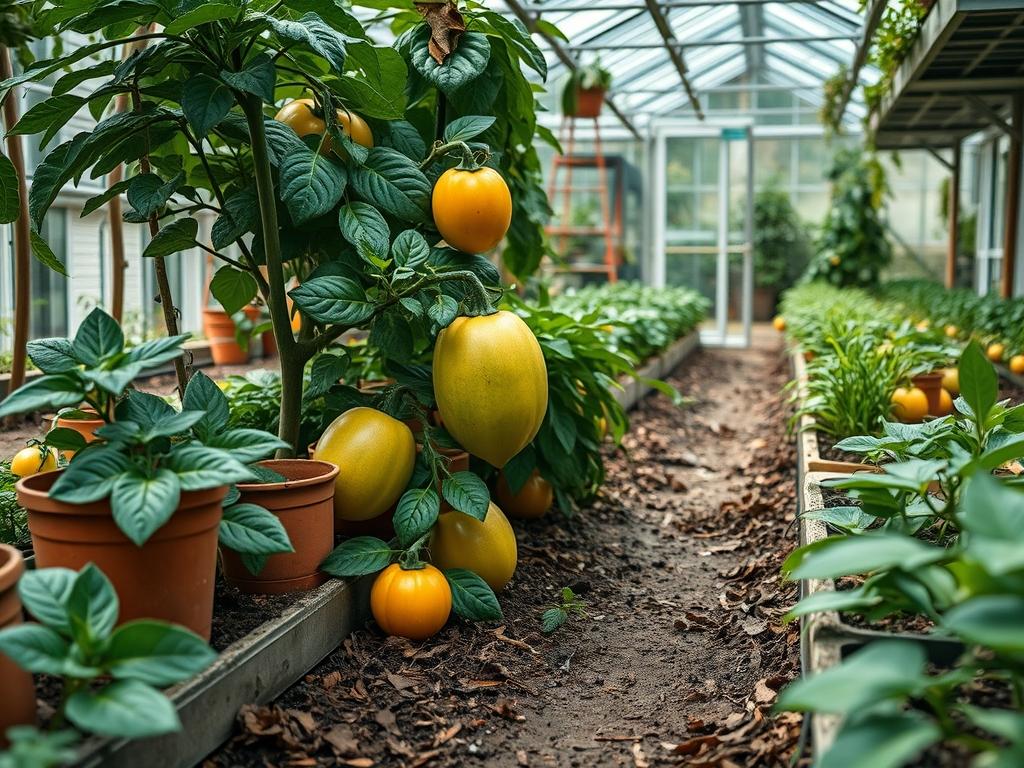
Integrating citrus trees into a professional landscape design requires a delicate balance between aesthetic architectural goals and the practical requirements of agricultural productivity. Tangelos, a hybrid of tangerines and grapefruits or pomelos, offer a unique opportunity for senior landscape architects to enhance a property’s year-round interest. These trees provide dense, evergreen foliage and fragrant blossoms, making them ideal as functional focal points or privacy screens. However, successful harvesting garden tangelos begins long before the fruit matures. It starts with site selection and climate mitigation. Tangelos are particularly sensitive to frost; therefore, a landscape consultant must analyze the micro-climates of a backyard to identify areas with optimal solar radiation and protection from prevailing winds. From a curb appeal perspective, the vibrant orange globes of fruit provide a striking contrast against deep green leaves, creating a visual rhythm that draws the eye toward various elevation layers in a garden. Achieving this requires meticulous planning of the outdoor environment to ensure the tree thrives while remaining accessible for maintenance and the eventual harvest.
Landscape Design Principles
When designing for citrus, symmetry and spatial logic are paramount. A well-placed tangelo tree serves as a structural anchor. If the garden follows a formal Mediterranean or Spanish Colonial style, placing trees in lined quincunx patterns can create a sense of order. Alternatively, in a contemporary or xeriscape environment, a single magnificent specimen might be used to break up the lines of a retaining wall or a tall fence. The concept of elevation layers is critical here. You should place lower-growing perennials or groundcovers at the base of the tree’s drip line to provide a soft transition to the turf or walkway.
Irrigation planning must be integrated into the initial layout to prevent surface runoff and ensure deep root penetration. I recommend using a dedicated zone for citrus that utilizes pressure-compensated emitters. Walkways are another essential design element often overlooked. To facilitate harvesting garden tangelos, paths should be wide enough to accommodate a harvest cart or ladder safely. Using materials like decomposed granite or permeable pavers within three feet of the tree canopy ensures that soil compaction remains minimal, allowing the roots to breathe and the fruit to reach its maximum sugar content.
Plant and Material Selection
Selecting the right variety and companion materials is the foundation of a low-maintenance, high-yield landscape. Use the following guide to coordinate your selection.
| Plant Type | Sun Exposure | Soil Needs | Water Demand | Growth Speed | Maintenance Level |
| :— | :— | :— | :— | :— | :— |
| Minneola Tangelo | Full Sun | Well-Drained | Moderate | Medium | Moderate |
| Orlando Tangelo | Full Sun | Sandy Loam | Moderate | Medium | Moderate |
| Spanish Lavender | Full Sun | Gritty / Dry | Low | Fast | High (Pruning) |
| Creeping Thyme | Full/Part Sun | Poor / Sandy | Low | Fast | Low |
| Rosemary | Full Sun | Well-Drained | Low | Medium | Low |
For mulching, I advise using Arborist Wood Chips at a depth of 3 to 4 inches, keeping the material at least 6 inches away from the trunk to prevent crown rot. For structural support in the early years, use Lodgepole Pine Stakes and Soft Rubber Ties to allow for natural trunk movement and strength development.
Implementation Strategy
The actual implementation begins with grading and drainage. A backyard should have a minimum 2 percent slope away from the house and the tree’s root ball to prevent standing water. If the soil is heavy clay, I recommend planting the tangelo in a slightly raised mound, approximately 6 to 8 inches above the surrounding grade. This ensures that the sensitive root flare remains dry.
Once the grading is complete, lay out your hardscaping first. This includes any Steel Edging or Concrete Pavers that will define the garden beds. Excavate the planting hole to twice the width of the root ball but no deeper than its height. During the backfill process, do not use commercial potting soil; instead, use the native soil mixed with a small amount of organic compost to encourage the roots to move into the surrounding landscape. After planting, apply a high-quality citrus fertilizer with a 13-0-13 NPK ratio to provide the necessary nitrogen and potassium for fruit development. Ensure that the final layout leaves a 15-foot radius of clear space for mature trees to allow for adequate airflow and sunlight penetration, which are both essential for harvesting garden tangelos of high quality.
Common Landscaping Failures
The most frequent error in citrus landscaping is poor drainage management. When water pools around the base of a tangelo tree, it invites Phytophthora root rot, which can kill a mature specimen in a single season. Another critical failure is root overcrowding. Planting large shrubs or aggressive groundcovers too close to the trunk creates competition for nutrients and moisture. This often results in “small fruit syndrome,” where the harvest is abundant but the individual tangelos are dry and undersized.
Irrigation inefficiencies also rank high among common mistakes. Over-watering can lead to fruit splitting, while under-watering during the fruit-set period causes the tree to drop its crop prematurely. Furthermore, soil compaction from heavy foot traffic or construction equipment near the tree’s drip line restricts oxygen flow to the roots. To avoid this, always delineate a protection zone during any hardscape installation. Finally, “mower blight,” the frequent nicking of the trunk by lawn equipment, creates entry points for pathogens. Always use a clear ring of mulch or a physical border to keep equipment away from the sensitive bark.
Seasonal Maintenance
Seasonal management is the key to a bountiful yield. In the spring, your focus should be on nutrition and pest monitoring. As new growth appears, check for aphids or citrus leaf miners. Prune away any “water sprouts” or suckers that emerge from below the graft union. In the summer, irrigation becomes the priority. Deep, infrequent watering is better than daily light sprinkling. Generally, 10 to 15 gallons of water per week for a young tree, and up to 50 gallons for a mature tree, is necessary during peak heat.
Autumn is the season for preparation. This is when the sugar levels in the tangelos begin to peak. Scale back on nitrogen-heavy fertilizers to allow the tree to harden off for the winter. In the winter, the primary task is the actual harvesting garden tangelos. Unlike oranges, tangelos have a thin skin and a fragile attachment to the stem. Use Bypass Pruners to clip the fruit with a small piece of the stem attached; do not pull them, as this can tear the “button” and lead to rapid spoilage. If a frost warning is issued, irrigate the soil thoroughly before the freeze and consider using Frost Blankets for younger trees to protect the fruiting wood.
Professional Landscaping FAQ
How do you determine the correct time for harvesting garden tangelos?
The most reliable method is the taste test. While color is an indicator, it is not definitive. Harvest one fruit from the southern side of the tree; if it is sweet and heavy with juice, the crop is ready.
What is the best way to prevent fruit drop?
Maintain consistent soil moisture levels throughout the fruiting season. Sudden changes in watering frequency cause physiological stress that leads to fruit drop. Additionally, ensure the tree has adequate potassium, which strengthens the stem attachment during the maturation process.
Can tangelos be used as a formal hedge?
Yes, because of their dense foliage and response to pruning, tangelos work well as a privacy screen. However, heavy shearing will reduce your harvest, as it removes the wood where blossoms typically form. Aim for a “loose” hedge style.
What is the ideal soil pH for these trees?
Tangelos prefer a slightly acidic to neutral soil, with a pH range between 6.0 and 7.0. If your soil is too alkaline, you may observe yellowing leaves with green veins, indicating an iron deficiency that requires chelated iron supplements.
How do I manage the tree’s height for easier harvest?
Practice “topping” and “thinning” annually. By keeping the canopy height at approximately 8 to 10 feet, you eliminate the need for tall ladders. This makes the process of harvesting garden tangelos safer and more efficient for the homeowner.