
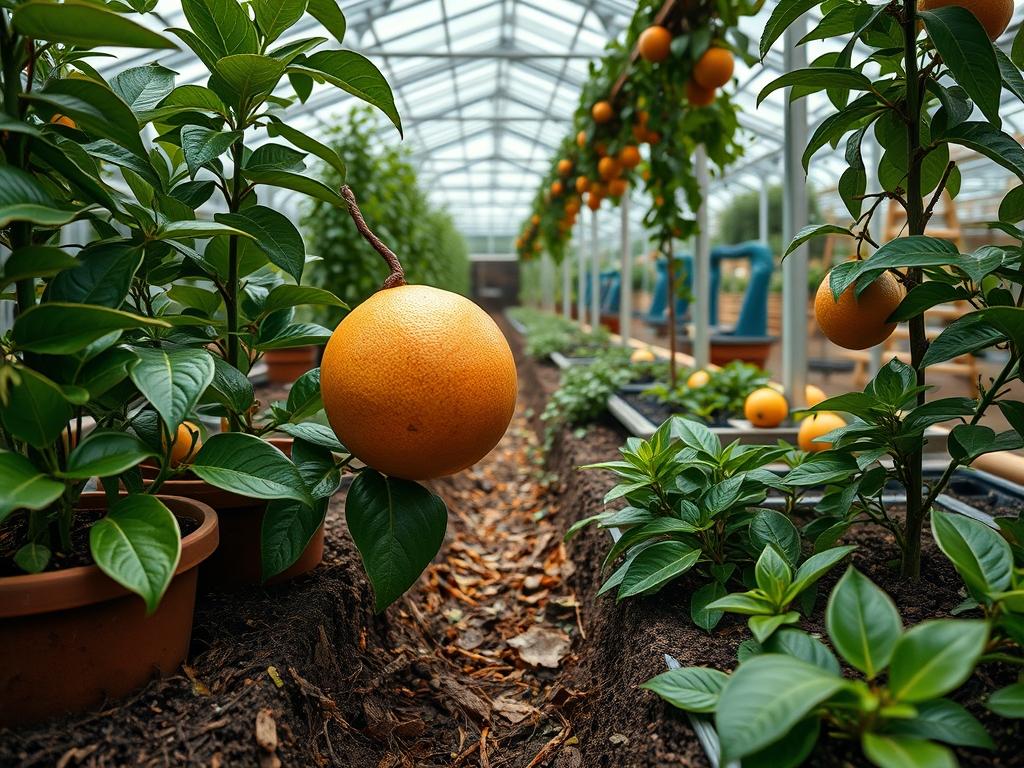
Integrating citrus trees into a sophisticated landscape design requires more than just digging a hole and hoping for fruit. As a senior landscape architect, I view the citrus tree, specifically the grapefruit, as a structural anchor that provides evergreen density, fragrant blossoms, and vibrant seasonal interest. However, the success of this botanical investment often hinges on the intersection of aesthetic maintenance and harvest timing. If you are focused on picking ripe grapefruit, you must understand that the fruit’s residence on the branch influences the tree’s health, its physical weight distribution, and the subsequent year’s bloom cycle. In subtropical and Mediterranean climates, where citrus thrives, the tree serves as a focal point in the outdoor living area. A tree laden with heavy, overripe fruit can suffer from limb breakage or nutrient exhaustion, compromising the architectural integrity of your garden. Conversely, picking too early results in an acidic crop and a missed opportunity for the fruit to reach its maximum visual potential on the tree. Balancing the functional needs of the citrus grove with the broader goals of curb appeal and outdoor utility is essential for any high-end landscape project.
Landscape Design Principles
When designing a landscape that incorporates grapefruit trees, symmetry and focal points remain paramount. A pair of matched Ruby Red Grapefruit trees can frame a formal gateway or flank a central walkway, providing a sense of classical balance. Because grapefruit trees can reach heights of 15 to 20 feet with a similar spread, they function as medium-sized canopy layers that bridge the gap between low-lying perennials and tall boundary palms. I often recommend utilizing the principle of elevation layers to ensure these trees receive the drainage they require. Planting on slight mounds or within raised stone planters prevents water from pooling around the root crown, a common cause of fungal disease.
Walkways should be positioned at least 8 to 10 feet from the trunk to allow for the natural spread of the canopy without obstructing traffic. This spacing also simplifies the process of picking ripe grapefruit, as it provides a stable area for Step Ladders or Fruit Pickers. For the ground plane, consider the visual balance between the tree’s dark green foliage and the surrounding mulch or hardscape. Using a 1/4-inch Crushed Granite or a neutral Dark Hardwood Mulch provides a professional finish that highlights the bright yellow or pink globes of the fruit. Irrigation planning is another critical design layer; drip systems with multiple emitters per tree ensure deep root penetration without wetting the trunk, which is essential for maintaining a clean, professional landscape appearance.
Plant and Material Selection
Selecting the right cultivar significantly impacts the harvest window and the overall maintenance schedule of the property. Below is a professional-grade selection guide for integrating grapefruit into a high-utility landscape.
| Plant Type | Sun Exposure | Soil Needs | Water Demand | Growth Speed | Maintenance Level |
| :— | :— | :— | :— | :— | :— |
| Ruby Red | Full Sun | Well-Drained | Moderate | Moderate | High |
| Marsh Seedless | Full Sun | Sandy Loam | High | Fast | Moderate |
| Oro Blanco | Full Sun | Loamy/Rich | Moderate | Moderate | Moderate |
| Star Ruby | Full Sun | Slightly Acidic | High | Slow | High |
| Rio Red | Full Sun | Neutral pH | Moderate | Fast | Moderate |
In addition to the biological components, material selection for the surrounding environment is vital. Use Steel Edging to create clean borders between the citrus grove and turf areas. For hardscaping, Travertine or Natural Flagstone pavers provide a heat-reflective surface that benefits the roots in extreme summer conditions.
Implementation Strategy
The transition from a design plan to a flourishing backyard orchard requires a systematic approach to site preparation. Begin with a thorough survey of the existing grading. Grapefruit trees require a soil pH between 6.0 and 7.0. If the site consists of heavy clay, incorporate Organic Compost and Coarse Sand to a depth of 24 inches to improve aeration. When installing the trees, create a planting hole twice as wide as the root ball but no deeper. This prevents the tree from settling too far into the earth, which can lead to crown rot.
Once the tree is set, apply a 3-inch layer of Arborist Chips or Cedar Mulch, keeping the material at least 6 inches away from the base of the trunk. This “donut” application retains moisture while protecting the bark. For structural support in wind-prone areas, use Lodgepole Pine Stakes and Arbor Tie webbing. Avoid the use of wire or garden hose as ties, as these can girdle the tree as it grows. Finally, install a dedicated Drip Irrigation Loop around the drip line of the tree. This ensures that as you are picking ripe grapefruit in the winter, the tree continues to receive consistent hydration, which is necessary for the development of next year’s fruit buds.
Common Landscaping Failures
The most frequent error I observe in citrus landscaping is poor drainage. If a grapefruit tree is planted in a depression, water will collect during heavy rains, leading to Phytophthora root rot. This not only kills the tree but also ruins the aesthetic of the garden with yellowing leaves and dead wood. Another common failure is root overcrowding. Many homeowners plant citrus too close to Retaining Walls or Foundations, which restricts the root zone and leads to structural instability.
Improper spacing also results in poor air circulation. Close-knit plantings create a humid microclimate that encourages scale and aphids. Furthermore, irrigation inefficiencies, such as using overhead “pop-up” sprayers designed for lawns, can lead to fungal spotting on the fruit. When the goal is picking ripe grapefruit of the highest quality, moisture must be delivered directly to the soil, not the foliage. Finally, soil compaction from heavy foot traffic around the tree can suffocate sensitive feeder roots. I recommend installing Stepping Stones within the mulch bed to provide a dedicated path for harvesters.
Seasonal Maintenance
Maintaining a grapefruit tree requires a rhythmic approach that shifts with the seasons. In the Spring, focus on fertilization. Use a high-nitrogen Citrus Fertilizer with secondary nutrients like Magnesium and Zinc. This is also the time for light structural pruning to remove “suckers” and water sprouts that drain energy from the main canopy.
In the Summer, irrigation management becomes the priority. As temperatures rise, the water demand of the tree increases. Deep, infrequent watering is better than shallow daily sprays. During the Autumn, check the fruit weight. If the branches are sagging too low, temporary supports may be needed to prevent breakage. This is also when you begin testing for ripeness. Unlike other fruits, grapefruit does not ripen significantly after being picked. You must monitor the “heaviness” of the fruit; a ripe grapefruit will feel heavy for its size, indicating a high juice content.
In the Winter, the landscape management revolves around the harvest. Picking ripe grapefruit early in the season (December) usually results in a tarter flavor, while picking late (March or April) allows the sugars to fully develop. Be mindful that leaving fruit on the tree for too long can lead to “regreening” or a loss of texture in the pulp. Use Bypass Pruners to clip the fruit stems rather than pulling them by hand, which avoids tearing the bark and protects the tree’s architectural health.
Professional Landscaping FAQ
How can I tell if a grapefruit is ready to harvest by looking at it?
While color is an indicator, it is not definitive. A ripe grapefruit will have a smooth, thin skin and will feel significantly heavy for its size. The “heaviness” indicates the juice has fully developed, which is the primary marker of maturity.
What is the benefit of grouping grapefruit trees in a landscape?
Grouping trees creates a more cohesive aesthetic and simplifies the installation of irrigation and drainage systems. From a horticultural perspective, it can improve localized humidity and protect the sensitive trunks of the trees from sun scald by providing communal shade.
Should I pick the entire crop at once?
No, grapefruit stores exceptionally well on the tree. You can harvest fruit as needed throughout the season. However, you should remove all remaining fruit by late spring to ensure the tree has enough energy to produce its next crop.
How do I prevent my grapefruit tree from becoming too large for my yard?
Annual maintenance pruning is essential. By thinning out the interior branches and heading back the tallest leaders, you can maintain the tree at a manageable height of 10 to 12 feet without sacrificing the fruit yield or visual appeal.
Can I grow grapefruit in large containers for a patio landscape?
Yes, dwarf varieties such as the Improved Meyer Lemon or specific grafted grapefruits thrive in large Terracotta or Stone pots. Ensure the containers have excellent drainage and use a high-quality Citrus Potting Mix to provide the necessary aeration.