
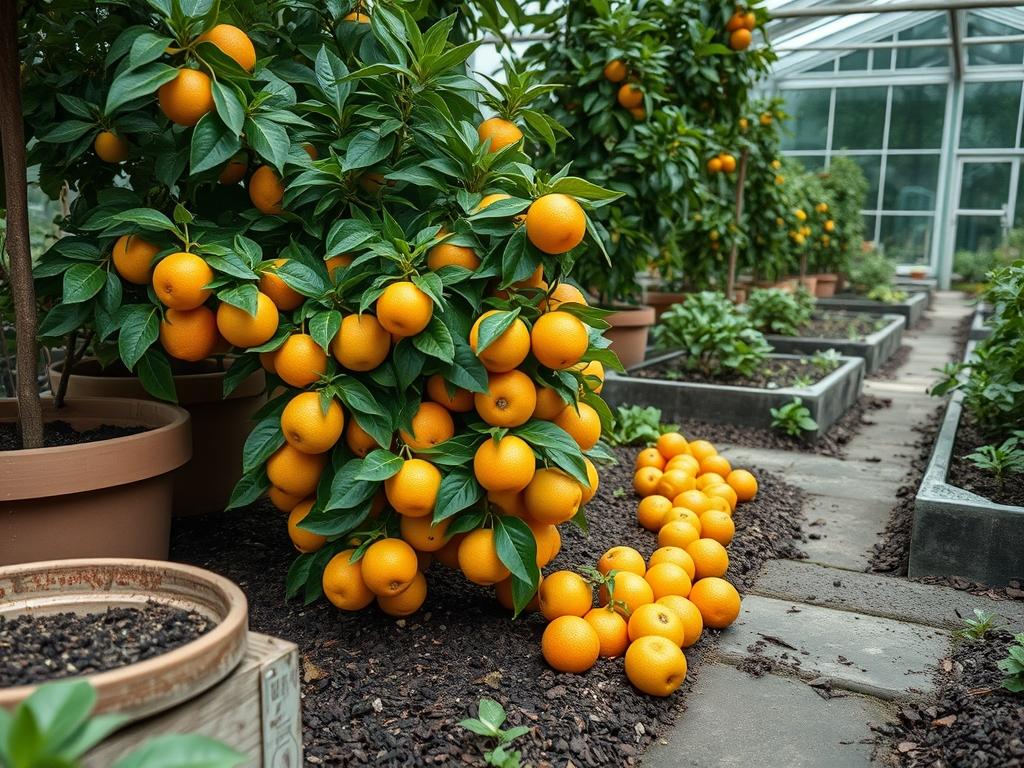
Integrating edible fruit-bearing trees into a high-end landscape requires a delicate balance between aesthetic form and agricultural function. The kumquat tree, particularly the Nagami and Meiwa varieties, offers a unique solution for homeowners seeking evergreen foliage and a vibrant winter harvest. Unlike larger citrus trees that can overwhelm a small urban lot, kumquats are naturally compact, making them ideal for foundation plantings, privacy screens, or containerized focal points on a Flagstone patio. Successfully harvesting garden kumquats is not merely a task of plucking fruit; it represents the culmination of a well-executed site plan that considers soil pH, drainage patterns, and solar orientation. In temperate climates like USDA zones 9 to 11, these trees serve as structural anchors that maintain their deep green luster when other deciduous species have gone dormant. The reward for this architectural planning is a fruit that defies convention, as the thin, sweet skin is the primary attraction, meant to be eaten whole along with the tart interior flesh.
Landscape Design Principles
When designing a garden with citrus integration, symmetry often dictates the placement of kumquats to create a sense of formal elegance. These trees are frequently used in pairs to flank a Wrought iron gate or a Granite walkway, providing a welcoming entrance with their bright orange fruit. As a landscape architect, I prioritize focal points where the contrast between the dark, glossy leaves and the vivid fruit can be appreciated from both the interior of the home and the exterior living spaces. We often utilize the principle of elevation layers, placing shorter Kumquat shrubs in front of taller Evergreen magnolias or behind low-growing Creeping thyme to create a three-dimensional tapestry.
Irrigation planning is another critical design pillar. Kumquats require consistent moisture but are highly susceptible to root rot if water stagnates. Therefore, we design the landscape with a slight 2 percent grade away from the trunk to ensure surface runoff. Walkways should be positioned at least 4 feet from the center of the planting hole to prevent soil compaction near the root zone. Visual balance is achieved by staggering the heights of companion plants; for instance, pairing the upright habit of a Nagami Kumquat with the horizontal spread of Blue star juniper provides a satisfying geometric contrast.
Plant and Material Selection
Selecting the right materials and cultivars ensures the longevity of the landscape and the quality of the harvest. Below is a professional selection guide for a kumquat-centric garden design.
| Plant Type | Sun Exposure | Soil Needs | Water Demand | Growth Speed | Maintenance Level |
| :— | :— | :— | :— | :— | :— |
| Nagami Kumquat | Full Sun | Sandy Loam | Moderate | Slow | Medium |
| Meiwa Kumquat | Full Sun | Well-drained | Moderate | Slow | Medium |
| Centennial Variegated | Full Sun | Loam | Moderate | Slow | High |
| Star Jasmine | Partial Sun | Acidic | Low | Fast | Low |
| Rosemary | Full Sun | Sandy | Very Low | Moderate | Low |
| French Lavender | Full Sun | Alkaline | Low | Moderate | Medium |
For the installation phase, we specify Poultry grit or Perlite to be mixed into the backfill to enhance aeration. Proper tool selection is also vital. A pair of By-pass pruners is required for clean cuts during harvesting garden kumquats to avoid tearing the delicate bark, which can invite pathogens into the tree’s vascular system.
Implementation Strategy
The actual installation begins with a rigorous site analysis and grading plan. Before the first Shovel hits the ground, we mark out the drainage lines to ensure that heavy rainfall moves efficiently toward a French drain or a designated rain garden. When planting, the hole should be twice as wide as the root ball but no deeper. We aim to keep the graft union at least 2 inches above the final soil line to prevent fungal infections.
Once the tree is set, a 3-inch layer of Cedar mulch or Pine bark nuggets is applied in a donut shape around the base. It is crucial to keep the mulch at least 6 inches away from the trunk to avoid moisture buildup against the bark. For hardscaping, we might install a Retaining wall using Stackable fieldstone to create a raised bed if the native soil is heavy clay. This elevation provides superior control over the soil environment. For the final touch, a Drip irrigation system with Inline emitters spaced every 12 inches ensures that the water reaches the root zone without wetting the foliage, which reduces the risk of melanose or other fungal leaf spots.
Common Landscaping Failures
The most frequent error in citrus landscaping is improper drainage management. When a tree is planted in a “bathtub” of heavy clay without an exit path for water, the roots eventually suffocate. Another common mistake is root overcrowding. Designing a space that looks full on day one often leads to a congested landscape in five years. We must respect the 10-foot mature spread of a standard kumquat tree.
Soil compaction is another silent killer. If heavy machinery or high foot traffic occurs near the Drip line of the tree, the pore spaces in the soil collapse, preventing oxygen from reaching the roots. Furthermore, irrigation inefficiencies, such as using overhead sprinklers designed for turf, lead to “wet feet” and “dry leaves,” which is the opposite of what a Fortunella species requires. Finally, many homeowners fail to recognize the nutrient demands of the tree. A lack of Nitrogen or Micronutrients like Zinc and Iron will result in yellowing leaves and a lackluster harvest of small, dry fruit.
Seasonal Maintenance
Landscape management for kumquats changes with the solar cycle. In the spring, the focus is on growth and nutrition. We apply a 10-10-10 slow-release fertilizer and perform light structural pruning to open up the canopy for airflow. This is also the time to inspect the Irrigation controllers to ensure they are adjusted for the rising temperatures.
Summer maintenance involves moisture monitoring and pest management. Using Neem oil or Horticultural soap can deter aphids or leaf miners that target the new flush of growth. As autumn approaches, we begin the process of harvesting garden kumquats. This is a selective process; only pick fruits that have turned a deep, consistent orange. The fruit does not ripen significantly off the tree, so patience is a virtue. In the winter, protection is the priority. If a hard freeze is predicted, we use Frost blankets or Burlap wraps to protect the trunk and fruit. Late winter is also the best time for more aggressive pruning to maintain the desired height and shape within the garden’s architectural framework.
Professional Landscaping FAQ
How do I know when to start harvesting garden kumquats?
Harvest when the skin is fully orange and slightly soft to the touch. Use Hand pruners to snip the stem rather than pulling the fruit; this prevents the peel from tearing at the attachment point and ensures the fruit stays fresh.
Can I grow kumquats in a large planter on a terrace?
Yes, kumquats thrive in containers. Use a 20-inch pot with multiple drainage holes and a high-quality Potting mix. Ensure the container is placed on Pot feet to allow water to exit freely and prevent staining on your Pavers.
Why is my kumquat tree dropping its leaves in the winter?
This is often caused by cold drafts or “wet feet” from overwatering during dormancy. Ensure the tree is shielded from harsh winds using a Privacy screen and reduce irrigation frequency as the evaporation rate drops during the cooler months.
Is it necessary to use organic mulch around edible trees?
While not strictly necessary, using Organic compost or Arborist chips improves soil structure over time. As these materials break down, they provide essential nutrients and support beneficial Mycorrhizae that help the tree absorb water and minerals more efficiently.
How do I clean the fruit for eating since the peel is consumed?
Because the peel is the sweetest part, avoid using systemic pesticides. Wash the fruit in a bowl of cool water with a splash of White vinegar. Dry them with a Lint-free cloth before eating whole to enjoy the contrast.