
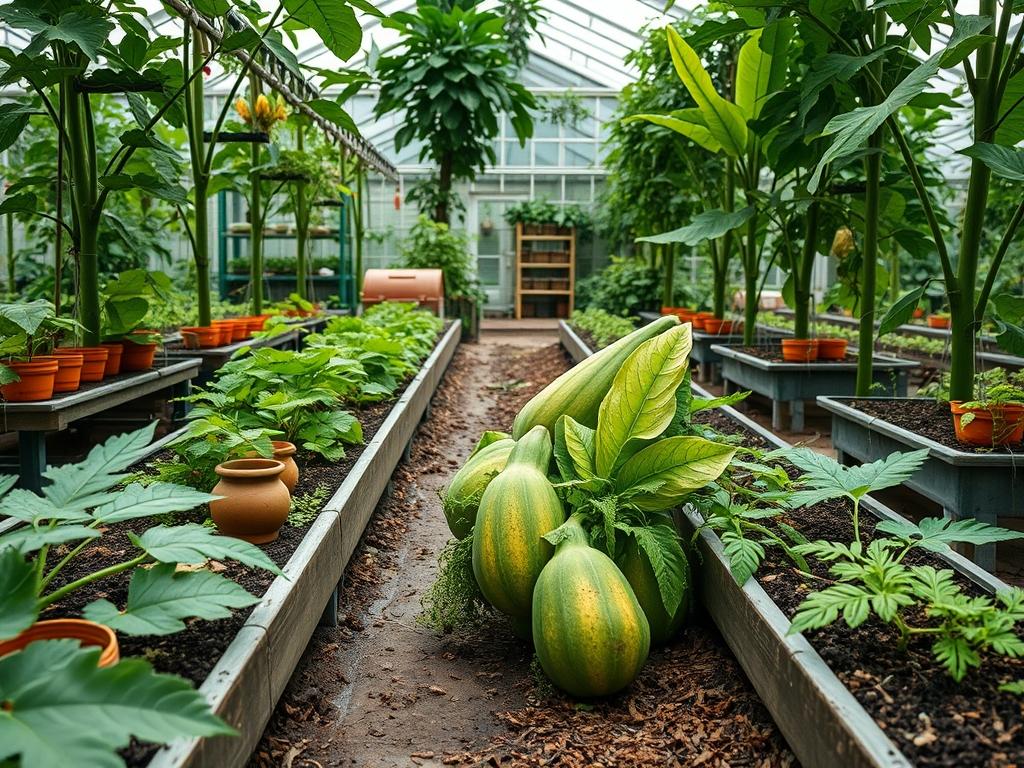
Designing a functional tropical landscape requires a sophisticated balance between structural aesthetics and horticultural utility. In regions where the climate permits the cultivation of tropical species, homeowners often face the challenge of integrating fast-growing, productive plants into a polished backyard environment. One of the most common landscaping hurdles involves the use of the Carica papaya, a plant that offers unique verticality and architectural interest but requires precise placement to maintain curb appeal. When planning a garden that prioritizes the harvest of green fruit for culinary applications, the designer must account for accessibility, drainage, and the visual weight of the specimen. Picking Fresh Papayas at the appropriate stage of development is not merely a kitchen preference; it is a management strategy that affects the tree’s health and the garden’s overall organization. By harvesting fruit while it is still green and firm, the gardener reduces the physical weight on the trunk, prevents pests from being attracted to rotting sugars, and ensures a crisp texture suitable for traditional salads.
Landscape Design Principles
Successful outdoor environments rely on foundational principles such as symmetry, focal points, and deliberate elevation layering. In a professional layout, the Carica papaya serves as a focal point due to its distinct canopy of large, deeply lobed leaves. Because the plant has a singular, upright growth habit, it can look sparse if it is not properly integrated with middle-story and ground-cover layers. Landscape architects often employ a three-tier planting strategy. The top tier consists of the papaya trees, providing height and dappled shade. The middle tier includes vibrant shrubs like Croton or Gardenia, which hide the lower, often scarred portion of the papaya trunk. The final layer consists of ground covers that suppress weeds and retain moisture.
Symmetry can be achieved by flanking a central walkway with matched specimens, though an asymmetrical, grouped arrangement of three or five trees often feels more natural and eases the harvesting process. When Picking Fresh Papayas, the gardener needs clear access to the trunk without trampling delicate underplantings. Therefore, the design should include strategically placed stepping stones or a narrow mulch path. Irrigation planning is another critical pillar. These trees require consistent moisture but are highly susceptible to root rot. Modern landscape plans often feature a subterranean drip system that delivers water directly to the root zone, avoiding the foliar diseases associated with overhead sprinklers.
Plant and Material Selection
The following table outlines the essential components for a landscape centered on productivity and aesthetic value. Selecting the right companion plants ensures that the environment remains vibrant throughout the year.
| Plant Type | Sun Exposure | Soil Needs | Water Demand | Growth Speed | Maintenance Level |
| :— | :— | :— | :— | :— | :— |
| Carica papaya | Full Sun | Well-drained, sandy loam | Moderate to High | Fast | Medium |
| Codiaeum variegatum | Partial to Full Sun | Rich, organic | Moderate | Medium | Low |
| Liriope muscari | Full Sun to Shade | Adaptable | Low | Medium | Very Low |
| Ixora coccinea | Full Sun | Acidic, fertile | Moderate | Medium | Medium |
| Paspalum notatum | Full Sun | Sandy, acidic | Low to Moderate | Fast | Moderate |
For hardscaping, use crushed limestone or decomposed granite for paths to ensure high permeability. These materials prevent standing water around the base of sensitive fruit trees.
Implementation Strategy
Implementing a professional backyard layout begins with site preparation and grading. Before a single hole is dug, the land must be surveyed to identify low spots where water might collect. A grade of 1 to 2 percent away from the home’s foundation and the planting beds is ideal. If the soil contains high clay content, the landscape architect may recommend raised beds or mounding. Digging a hole twice as wide as the root ball and amending the native soil with compost and perlite creates an environment conducive to rapid root establishment.
When the plan involves Picking Fresh Papayas for green salads, the spacing between trees should be exactly 8 to 10 feet. This allows for sufficient airflow, which is the primary defense against powdery mildew and fungal infections. Edging is then installed to define the beds. Use high-quality heavy-duty steel edging or pressure-treated timber to create a clean line between the turf and the planting areas. Once the plants are in the ground, a 4-inch layer of organic mulch, such as pine bark nuggets, should be applied. This mulch suppresses weeds and slowly adds nutrients back into the soil as it decomposes. It is important to leave a 6-inch gap between the mulch and the tree trunk to prevent fungal bark rot.
Common Landscaping Failures
The most frequent failure in tropical landscape design is poor drainage planning. Papayas have a shallow, sensitive root system. Even 24 hours of standing water can be fatal to the tree. If a site suffers from poor percolation, the installation of a French drain or a dry creek bed is a necessary architectural intervention. Another common mistake is root overcrowding. While it is tempting to plant many specimens for a lush look, the competition for nutrients will result in stunted fruit production and spindly growth.
Irrigation inefficiencies also rank high among maintenance failures. Many homeowners overwater, leading to nutrient leaching. A professional system should include a smart controller with a rain sensor to prevent unnecessary watering during the wet season. Soil compaction caused by heavy foot traffic near the root zone also restricts oxygen flow. This is why defined walkways are essential; they direct traffic away from the sensitive zones where the trees are feeding. Finally, improper spacing near permanent structures, such as eaves or fences, can lead to mechanical damage as the tree grows.
Seasonal Maintenance
Landscape management is a year-round commitment. In the spring, the focus is on fertilization and growth stimulation. A balanced 10-10-10 NPK fertilizer should be applied every four to six weeks. This ensures the tree has the nitrogen required for foliage development and the potassium needed for fruit set. As the temperature rises in the summer, the priority shifts to hydration and harvesting. Picking Fresh Papayas while they are green is best done in the early morning when the fruit is most hydrated. This ensures the enzymes, like papain, are at their peak, which is vital for the culinary quality of the salad.
In autumn, the gardener should inspect the trees for any signs of pest intrusion, such as whiteflies or fruit flies. Pruning should be kept to a minimum, removing only dead or diseased fronds to maintain the plant’s structural integrity. During the winter, in regions where temperatures may drop, the use of frost blankets or plumbing heat tape can protect the trunk of the tree. While papayas are short-lived perennials, usually productive for three to five years, consistent seasonal care can extend their lifespan and maximize their aesthetic contribution to the landscape.
Professional Landscaping FAQ
How often should I water papayas in a new landscape?
New installations require daily watering for the first two weeks. Once established, deep watering twice a week is usually sufficient; however, sandy soils may require more frequent checks to ensure the root zone remains moist but not saturated.
Which mulch is best for edible landscapes?
Organic mulches like pine bark or cedar chips are superior. They regulate soil temperature and improve soil structure upon decomposition. Avoid dyed mulches, as they may contain chemicals that are not ideal for areas where food is being grown.
How do I prevent root rot in tropical plants?
The primary defense against root rot is proper elevation. Plant your trees in mounded soil or raised beds to ensure that gravity pulls excess moisture away from the root crown. Always test soil drainage before planting.
When is the best time for Picking Fresh Papayas?
For salads, harvest the fruit when it reaches full size but remains completely green and hard. If any yellowing appears, the flesh will begin to soften and lose the crunchy texture required for traditional green papaya recipes.
Can I grow papayas near a swimming pool?
Papayas are excellent poolside plants because they produce very little litter. However, ensure they are planted at least 10 feet away to prevent roots from interfering with the pool’s plumbing or the concrete shell of the structure.