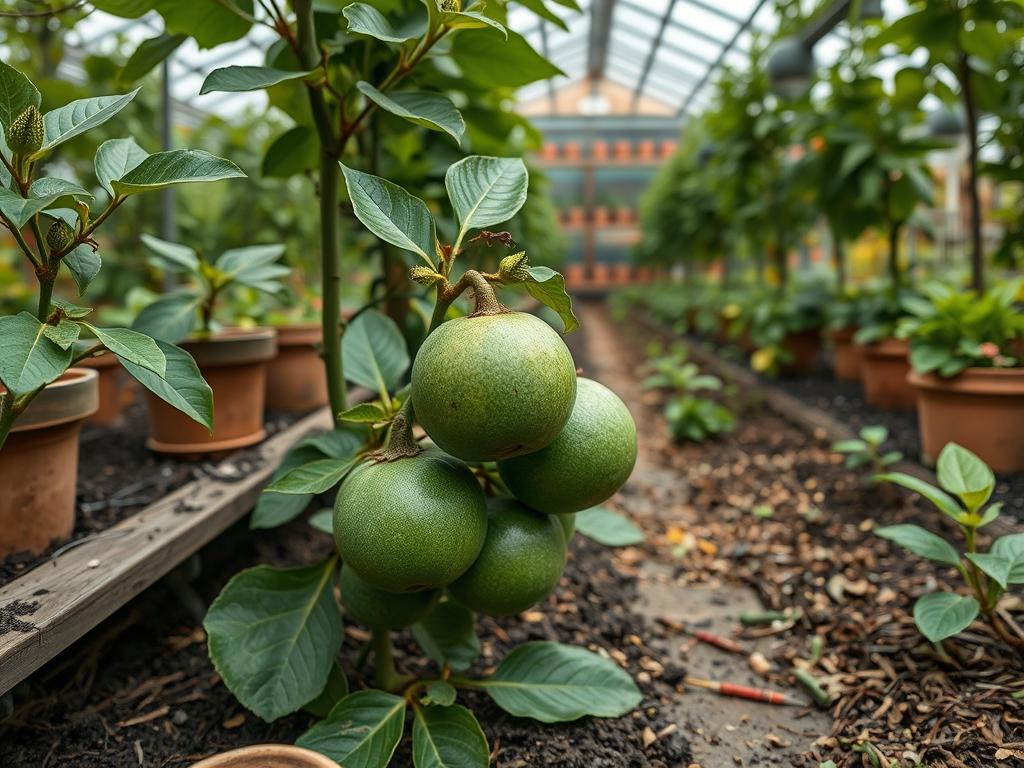
Integrating fruit-bearing species into a professional landscape design offers a unique blend of aesthetic beauty and functional utility. The guava tree, particularly species like Psidium guajava or the hardier Feijoa sellowiana, serves as an excellent evergreen focal point that enhances curb appeal with its peeling bark and delicate blossoms. However, many homeowners struggle with the transition from a beautiful landscape element to a productive food source. The primary challenge lies in the timing of the harvest. A guava picked too early remains starchy and astringent, while one left too long on the branch can quickly succumb to bruising or pest infestation. Mastering the art of harvesting garden guavas requires a keen understanding of the microclimate, the specific cultivar, and the subtle physiological changes the fruit undergoes as it reaches peak maturity.
The sensory transition from a hard, scentless orb to a fragrant, yielding fruit is the centerpiece of this process. As a landscape architect, I view the harvest not just as a chore, but as the final stage of a seasonal design cycle. For a garden to be truly functional, the owner must be able to recognize when the fruit is ready without damaging the structural integrity of the tree. This involves observing color shifts from deep forest green to pale yellow or light green, as well as detecting the distinctive musky aroma that defines a ripe guava. When these trees are planted in high-traffic zones or near outdoor living spaces, the scent becomes an atmospheric component of the landscape, signaling the start of the late summer or autumn season depending on your local climate zone.
Successful harvesting begins with a physical assessment. You should gently cup the fruit in your hand and apply a slight amount of pressure with your thumb. A ripe guava will give slightly, much like a ripe avocado or a peach. If the fruit feels like a stone, it requires more time on the branch to accumulate sugars. Furthermore, the stem should separate easily from the branch with a gentle twist. If you find yourself tugging or needing to use bypass pruners for a single fruit, it is likely not yet ready. In a well-planned landscape, these trees are often positioned near walkways or retaining walls where they can be monitored daily, ensuring that the fruit is gathered at the exact moment of perfection.
Landscape Design Principles
When incorporating guava trees into a professional landscape, symmetry and focal points are paramount. A single, large Tropical Guava can serve as a majestic specimen in the center of a circular lawn, while smaller varieties like the Strawberry Guava are better suited for formal hedging or privacy screens. Visual balance is achieved by pairing the deep green, leathery foliage of the guava with lighter-textured plants or hardscaping elements like limestone gravel or teak decking. Elevation layers should also be considered; placing guava trees on slight berms improves drainage, which is critical for fruit quality, while also raising the fruit to eye level for easier inspection during the harvest.
Irrigation planning must be integrated into the design from the start. Guavas require consistent moisture to develop plump fruit, yet they are susceptible to root rot if the soil remains waterlogged. I recommend installing a drip irrigation system with emitters placed at the drip line of the canopy. This ensures that the water reaches the root zone without wetting the foliage, which can lead to fungal issues. Additionally, the layout should allow for easy access around the entire perimeter of the tree. Avoid planting dense groundcovers that might hide fallen fruit, as rotting fruit can attract unwanted pests and disrupt the clean lines of your garden design.
Plant and Material Selection
| Plant Type | Sun Exposure | Soil Needs | Water Demand | Growth Speed | Maintenance Level |
| :— | :— | :— | :— | :— | :— |
| Tropical Guava | Full Sun | Well-drained Loam | Moderate to High | Fast | Medium |
| Pineapple Guava | Full/Partial Sun | Sandy/Loamy | Low to Moderate | Medium | Low |
| Strawberry Guava | Full/Partial Sun | Adaptable/Acidic | Moderate | Fast | Low |
| Mexican Cream | Full Sun | Rich Organic | High | Medium | High |
| Red Malaysian | Full Sun | Well-drained | Moderate | Fast | Medium |
Implementation Strategy
The first step in establishing a productive guava grove is grading the site. Ensure the land slopes away from house foundations and outdoor structures at a minimum 2 percent grade. If your soil has a high clay content, incorporate organic compost and expanded shale to a depth of 12 inches to improve porosity. When planting, create a hole twice as wide as the root ball but no deeper. This prevents the tree from settling too low, which can lead to trunk rot.
Once the tree is in the ground, apply a 3 inch layer of wood chip mulch, keeping it several inches away from the trunk itself. This mulch regulates soil temperature and retains the moisture necessary for fruit development. For the first two years, focus on structural pruning to establish a strong central leader or a balanced multi-trunk form. As the fruit begins to appear, thinning the crop may be necessary. By removing some of the smaller, crowded fruits, you allow the tree to direct its energy into the remaining produce, resulting in larger, more flavorful harvests that are easier to identify as ripe.
Common Landscaping Failures
One of the most frequent mistakes in guava cultivation is improper spacing. Homeowners often underestimate the mature spread of the tree, leading to overcrowding. This limits airflow and light penetration, both of which are essential for the fruit to ripen evenly. If the interior of the canopy remains dark and damp, the fruit may rot before it ever reaches maturity. Always research the specific cultivar spread and provide a minimum of 10 to 15 feet of clearance from other large structures or trees.
Drainage mistakes also rank high among common failures. Guava trees planted in literal depressions or at the bottom of a slope will suffer from soil compaction and oxygen deprivation in the root zone. This stress often manifests as fruit drop, where the tree prematurely sheds its crop. Furthermore, inconsistent irrigation during the ripening stage can cause the fruit skins to crack. To prevent this, maintain a steady watering schedule and avoid heavy fertilizing once the fruit has reached full size. Over-fertilizing with high nitrogen at this stage can result in lush leaf growth at the expense of fruit flavor and sugar concentration.
Seasonal Maintenance
Spring is the season for renewal and structural adjustment. Begin by applying a slow-release 10-10-10 fertilizer to support new growth and flower production. Prune away any frost-damaged branches or crossing limbs to open up the canopy for the coming sun. As the temperatures rise in summer, increase the frequency of your irrigation. This is the peak growing period where the fruit gains its mass. Monitor for pests like fruit flies or aphids, using neem oil or insecticidal soap if infestations occur.
Autumn is typically the primary window for harvesting garden guavas in many regions. Scan the trees daily for color changes and the characteristic drop in fruit firmness. This is also the time to replenish mulch layers to protect the roots from the approaching winter chill. During the winter months, maintenance shifts to protection. In cooler climates, have frost blankets or burlap wraps ready for unexpected dips in temperature. Reduce watering significantly during the dormant phase to prevent root issues, but do not allow the soil to become bone dry for extended periods.
Professional Landscaping FAQ
How can I tell if a guava is ripe without touching it?
Visual cues are the most reliable hands-off method. Look for a distinct shift in skin color from dark green to a lighter, yellowish green. Additionally, the fruit will often lose its matte finish and take on a slight waxy sheen.
Does guava fruit ripen after it is picked?
Yes, guavas are climacteric fruits. If you pick them when they have just begun to change color and feel slightly softened, they will continue to ripen on a room-temperature counter. This is a common strategy to prevent birds from eating the crop.
What is the best tool for harvesting high-reaching fruit?
For fruit located in the upper canopy, use a telescoping fruit picker with a padded basket. This prevents the fruit from falling and bruising on the ground. For lower branches, a simple hand-harvesting technique is usually sufficient and more precise.
Why does my guava fruit taste bland despite looking ripe?
Flavor intensity is often tied to irrigation and sunlight. If the tree received excessive water during the final ripening stage, the sugars can become diluted. Ensure the tree is in a full-sun location to maximize the brix level and aromatic compounds.
How should I prune my tree to make harvesting easier?
Employ a method called heading back to maintain a manageable height. By keeping the canopy between 6 and 8 feet tall through regular pruning, you ensure that the majority of the fruit remains within reach without the constant need for ladders.