
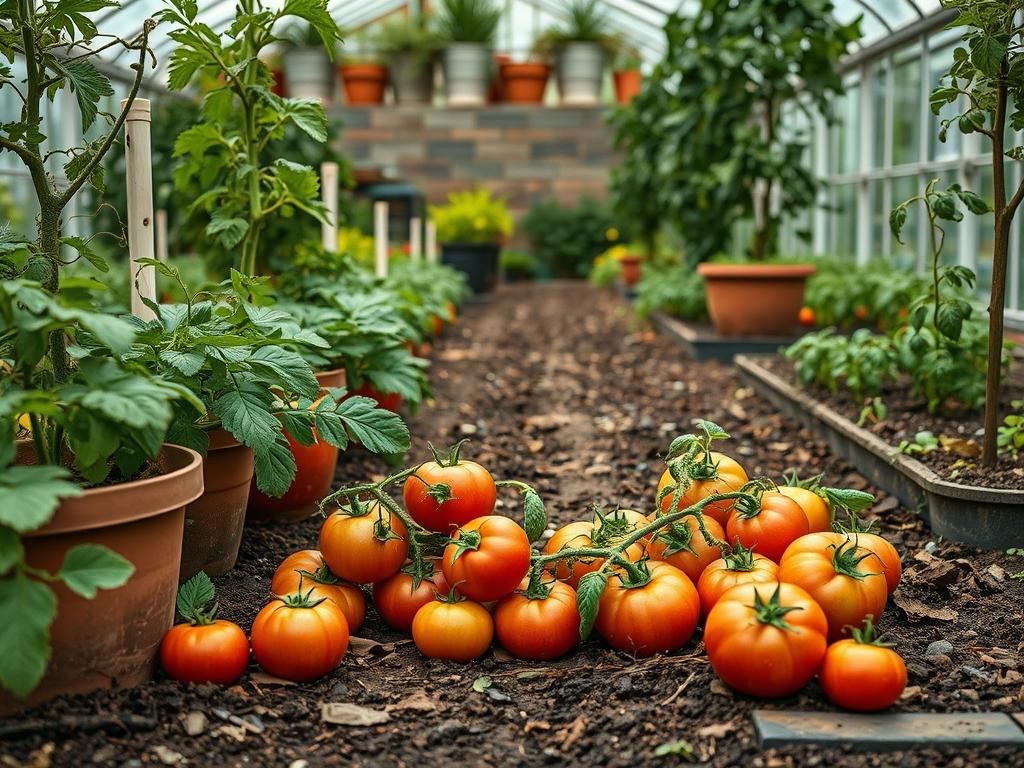
The transition from a standard residential lawn to a high-yield production landscape requires a shift in how we perceive outdoor utility. When a homeowner commits to the process of Canning Heirloom Tomatoes, the backyard ceases to be a passive space and becomes a functional agricultural hub. This transformation demands a professional approach to spatial organization, ensuring that the garden supports heavy yields while maintaining the visual integrity of the property. Integrating food production into a formal landscape design involves more than simply tilling the earth. It requires an understanding of site orientation, soil mechanics, and the architectural layering of plant life. A well-planned site provides the foundation for success, ensuring that the fruit harvest is abundant enough to justify the intensive labor of preservation.
Effective landscape architecture balances the harsh requirements of vegetable production with the softer needs of residential aesthetics. For those focused on Canning Heirloom Tomatoes, the volume of fruit required necessitates significant square footage. This footprint must be managed to avoid the cluttered look of Traditional row cropping. By utilizing a “Potager” or French kitchen garden style, we can satisfy both the functional need for high yields and the desire for a sophisticated outdoor environment. This involves establishing permanent pathways, defined border edges, and a structured layout that guides the eye. Climate considerations are also paramount; heirloom varieties often have less disease resistance than hybrids, making air circulation and solar exposure the most critical architectural variables in the site plan.
Landscape Design Principles
Professional garden design relies on a framework of symmetry and focal points to create a sense of order. When planning a space specifically for Canning Heirloom Tomatoes, symmetry is achieved through the use of mirrored raised beds. These beds should be constructed from durable materials like Cedar or Stone, which provide a clean, geometric line against the organic forms of the plants. Elevation layers play a vital role here as well. By placing taller varieties like Brandywine tomatoes on vertical Cattle Panel trellises toward the back of the site, you create a green wall effect that serves as a backdrop for lower-profile plants.
Irrigation planning must be integrated into the initial design phase rather than added as an afterthought. A professional-grade Drip Irrigation System with an Automated Timer ensures deep, consistent watering, which is essential to prevent fruit cracking and blossom end rot. Walkways should be at least 36 Inches wide to accommodate carts and harvesting baskets comfortably. These paths should be surfaced with stable materials like Crushed Pea Gravel or Decomposed Granite to allow for drainage and to keep the harvesting area clean. A central focal point, such as a Sun Dial or a large Terracotta Urn, can anchor the garden and prevent the space from feeling purely utilitarian.
Plant and Material Selection
| Plant Type | Sun Exposure | Soil Needs | Water Demand | Growth Speed | Maintenance Level |
| :— | :— | :— | :— | :— | :— |
| San Marzano | Full Sun | Loamy, pH 6.5 | Medium | Fast | High |
| Cherokee Purple | Full Sun | Well-drained | Consistent | Moderate | High |
| French Marigold | Full/Partial | Average | Low | Fast | Low |
| Sweet Basil | Full Sun | Nitrogen-rich | High | Fast | Moderate |
| Creeping Thyme | Full Sun | Sandy/Rocky | Low | Slow | Low |
| Cedar Lumber | N/A | Rot-resistant | N/A | N/A | Low |
Implementation Strategy
The implementation of a production-focused landscape begins with site grading. A slope of approximately 2 Percent is ideal to ensure that excess water moves away from the root zones without causing soil erosion. Once the grading is established, marking the footprint of the beds using Landscape Stakes and Surveyor’s String allows the architect to visualize the flow of the space. It is vital to excavate the pathways first and install a Drip-Line manifold before the soil in the beds is enriched.
For edging, a Black Steel or Aluminzed Edging provides a crisp transition between the garden beds and the surrounding lawn. Inside the beds, the soil should be a blend of 60 Percent screened topsoil, 30 Percent organic compost, and 10 Percent coarse sand to facilitate drainage. After planting, a 3-Inch layer of Pine Straw or Organic Wheat Straw mulch is applied to the surface. This mulch depth is calculated to suppress weeds while regulating the soil temperature for optimal root development. Hardscaping elements, such as Flagstone landing pads at the garden entrance, provide a stable surface for cleaning Harvest Totes before the tomatoes are moved indoors for the canning process.
Common Landscaping Failures
One of the most frequent errors in garden planning is the failure to account for mature plant size, leading to root overcrowding and poor air circulation. When the goal is Canning Heirloom Tomatoes, high-density planting can actually reduce the yield by fostering fungal diseases like late blight. Proper spacing requires at least 24 to 36 Inches between each plant. Another common mistake is neglecting soil compaction. If the primary walkways are not clearly defined, foot traffic will compress the soil near the root zones, limiting the oxygen available to the plants and stunting their growth.
Irrigation inefficiencies often stem from overhead watering, which wets the foliage and increases the risk of infection. A professional landscape must utilize sub-surface or ground-level emitters. Furthermore, improper drainage planning can lead to standing water at the base of the beds. If the site has a high water table, the use of French Drains or Perforated PVC Pipes buried in a gravel trench may be necessary to whisk away excess moisture. Lastly, many beginners fail to use sufficiently sturdy support structures. Heirloom Tomatoes can grow up to 7 Feet tall and carry a significant weight; flimsy wire cages will collapse under the load of a maturing harvest.
Seasonal Maintenance
Seasonal management begins in the spring with a thorough evaluation of the hardscape and soil structures. Any frost-heaved stones or damaged wooden beds must be repaired before the first Transplant is set in the ground. Soil testing should be performed to determine the need for amendments like Calcium or Potassium to prepare the plants for a high-volume season. As summer arrives, the focus shifts to moisture management and pruning. Sucker growth must be removed to direct the plant’s energy toward fruit production, which is a prerequisite for a successful session of Canning Heirloom Tomatoes.
In the autumn, the landscape requires a sanitation protocol to prevent pathogens from overwintering. Every piece of plant debris should be removed from the beds and the soil should be planted with a cover crop like Winter Rye or Hairy Vetch to prevent erosion. Winter is the time for structural maintenance. Hand Tools, Pruners, and Trellis Systems should be cleaned and sharpened. Applying a fresh layer of Bark Mulch to the pathways during the dormant season will keep the garden looking neat and prevent mud from accumulating during the spring thaw.
Professional Landscaping FAQ
How large should my tomato garden be for a family of four?
To support the goal of Canning Heirloom Tomatoes for a family, plan for 15 to 20 plants. This requires approximately 200 Square Feet of dedicated bed space, allowing for proper spacing, walk paths, and vertical support structures.
What is the best material for permanent garden walkways?
Crushed Pea Gravel or Decomposed Granite over a layer of Commercial Grade Landscape Fabric is ideal. These materials are permeable, allowing water to reach the soil, and they provide a stable, weed-free surface for heavy garden carts.
Can I grow heirloom tomatoes in a sloped backyard?
Yes, but you must install Retaining Walls to create level Terraced Beds. This prevents water runoff and soil erosion, ensuring that each plant receives a consistent amount of moisture while creating a dramatic, multi-layered visual effect.
How do I prevent my garden from looking messy during late summer?
Use architectural Vertical Trellising and consistent Hemming of plant suckers. Defining the garden boundaries with crisp Boxwood Hedges or permanent Timber Edging also contains the organic growth and maintains a sense of deliberate, professional design.
Do heirloom tomatoes require different irrigation than hybrids?
Heirlooms often have thinner skins and are more prone to splitting. A Drip Irrigation System with a Pressure Regulator is essential to provide slow, steady hydration directly to the root zone, minimizing the stress that causes fruit damage.