
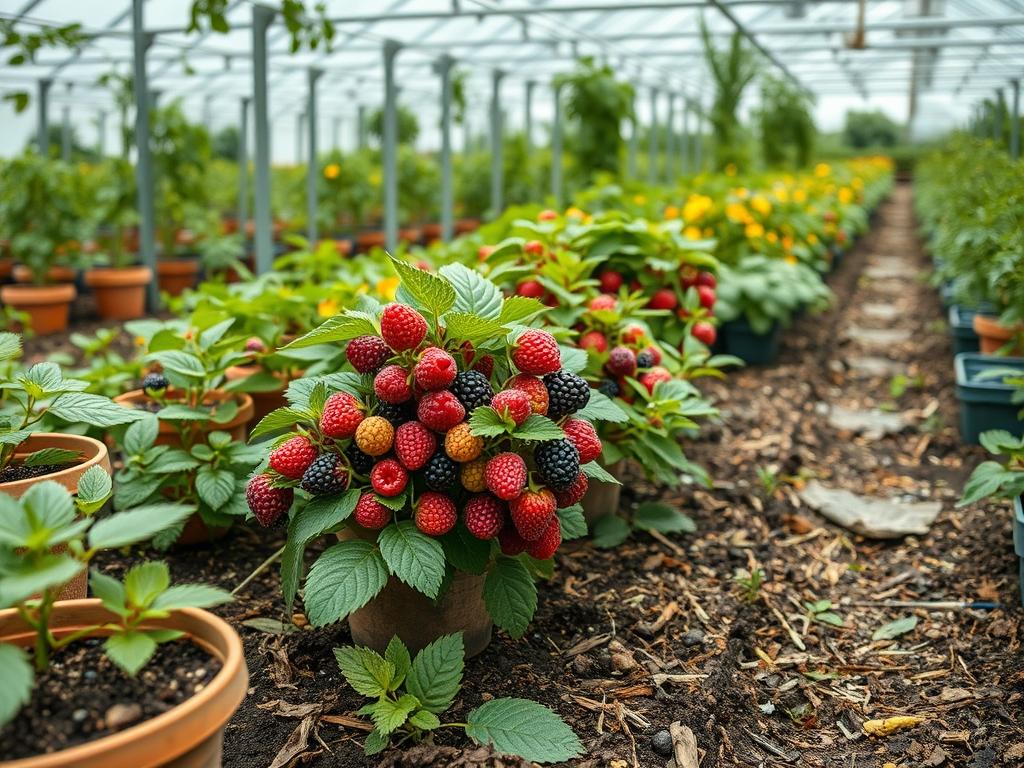
High-performance landscaping requires a sophisticated balance between aesthetic appeal and functional output. In the modern residential environment, the traditional divide between ornamental gardens and productive orchards has collapsed. Homeowners now demand edible landscapes that serve as primary visual focal points while providing a high-yield harvest. Designing a landscape specifically for Freezing Summer Berries requires an understanding of microclimates, soil physics, and spatial geometry. A well-executed plan ensures that the fruit remains structurally sound and rich in sugars, which is the foundational requirement for successful long-term preservation. When the landscape is engineered to support plant health through optimal drainage and sunlight, the resulting harvest possesses the cellular integrity needed to withstand the freezing process without becoming mushy or losing its aromatic profile.
Landscape Design Principles
The architectural layout of a berry-focused landscape must prioritize accessibility and ecological health. Symmetry plays a vital role in formal edible designs; creating mirrored rows of Rubus idaeus (Red Raspberry) along a central axis provides a sense of order and makes the harvest more efficient. Focal points should be strategically placed to draw the eye toward the most productive areas of the yard. An ornate cedar arbor or a series of architectural trellises can support climbing varieties like blackberries, transforming a simple crop into a vertical design element. By using these structures, the architect maximizes the square footage of the site, allowing for higher yields in smaller urban or suburban plots.
Elevation layers are another critical design component. Planting berries in tiered systems or raised beds allows the landscape architect to control the soil profile completely. This is particularly important for species that require highly acidic environments. By manipulating the height of the planting zones, you create visual depth and ensure that the shortest plants, such as Fragaria ananassa (Garden Strawberry), receive adequate light without being shaded by taller shrubs. Irrigation planning must be integrated into the initial site blueprint. A drip irrigation system installed beneath a 3-inch layer of hardwood mulch ensures that moisture reaches the root zone without wetting the foliage, which significantly reduces the risk of fungal pathogens that can ruin fruit destined for the freezer.
Walkways serve as both the literal and figurative backbone of the garden. Use wide paths, at least 36 inches in width, to allow for the comfortable movement of garden carts and harvesting equipment. Materials like crushed granite or permeable pavers provide a stable surface while allowing water to infiltrate the ground. Visual balance is maintained through the use of companion plants. Integrating native flowering perennials alongside berry patches encourages pollination and introduces varied textures and colors that mask the dormant state of the fruit plants during the winter months.
Plant and Material Selection
Selecting the right cultivars is the most important decision for ensuring the success of Freezing Summer Berries. Each species has specific requirements for sun exposure and soil chemistry. The following table outlines the technical specifications for a high-yield edible landscape.
| Plant Type | Sun Exposure | Soil Needs | Water Demand | Growth Speed | Maintenance Level |
| :— | :— | :— | :— | :— | :— |
| Highbush Blueberry | Full Sun | Acidic (pH 4.5 to 5.2) | High | Moderate | Medium |
| Red Raspberry | Full Sun/Part Shade | Loamy, Well-Drained | Moderate | Fast | High |
| Garden Strawberry | Full Sun | Rich Organic Matter | High | Fast | Medium |
| Blackberry | Full Sun | Deep, Sandy Loam | Moderate | Aggressive | High |
| Red Currant | Part Shade | Cool, Moist Silt | Moderate | Moderate | Low |
For the purpose of Freezing Summer Berries, focus on firm-fleshed varieties. For example, the Duke blueberry or the Heritage raspberry are known for retaining their shape after thawing. When choosing materials for the infrastructure, prioritize longevity. Use powder-coated steel for edging and pressure-treated timber or natural stone for retaining walls to prevent soil erosion in sloped areas.
Implementation Strategy
The implementation phase begins with a thorough site analysis and grading plan. Proper grading is required to move surface water away from the root crowns; a 2% slope is generally sufficient to prevent pooling. If the site has heavy clay soil, the installation of a French drain or a sub-surface drainage tile may be necessary to prevent anaerobic soil conditions. Once the grading is established, the hardscaping elements should be installed. Setting stone borders and laying out the irrigation mainlines before the plants are in the ground prevents root disturbance later.
Edging is crucial for maintaining the definition between the lawn and the berry beds. A deep 6-inch metal edge prevents invasive turf grasses from creeping into the berry patches, where they would compete for nutrients. After the hardscaping is complete, the soil should be amended based on a professional laboratory soil test. Incorporate organic compost and elemental sulfur if an acidic environment is required for blueberries.
When planting, ensure that the spacing allows for maximum airflow. For raspberries, a spacing of 24 inches between plants within the row is standard. For strawberries, use a staggered pattern in a 12-inch grid. Following the planting, apply a consistent mulch depth. A 3-inch layer of pine bark mulch or pine needles is excellent for acid-loving plants. This mulch suppresses weeds and regulates soil temperature, which leads to a more concentrated sugar development in the fruit.
Common Landscaping Failures
One of the most frequent mistakes in edible landscaping is improper drainage. Berries are susceptible to root rot if they sit in standing water for even a few days. Many novice designers fail to account for the “bathtub effect” created when digging a hole in heavy clay and filling it with light potting soil; the water enters the hole but cannot escape through the clay walls.
Root overcrowding is another common failure. Aggressive growers like blackberries can quickly overwhelm a landscape if not contained by root barriers or regular pruning. When plants are too close together, the humidity levels rise, leading to botrytis and other molds that make the fruit unsuitable for Freezing Summer Berries. Improper spacing also makes harvesting difficult, leading to missed fruit that rots on the vine and attracts pests.
Irrigation inefficiencies often stem from the use of overhead sprinklers. Watering from above washes away the protective waxy bloom on many berries and promotes leaf spot. Furthermore, soil compaction from heavy foot traffic can crush the delicate capillary structures in the soil, preventing the roots from accessing oxygen. Always design designated walking paths to keep traffic away from the planting zones.
Seasonal Maintenance
Managing a landscape for high-quality fruit requires a year-round commitment. In the spring, the focus is on nutrient delivery and frost protection. Apply a 10-10-10 fertilizer or a high-quality organic fish emulsion just as the buds begin to break. Check the moisture levels regularly, as spring wind can dry out the shallow roots of strawberries very quickly.
Summer maintenance is dominated by harvesting and moisture management. To ensure the best results for Freezing Summer Berries, harvest in the early morning when the fruit is cool. This preserves the cellular structure. Use a refractometer to check the brix levels; higher sugar content translates to better flavor after freezing. Prune out the “floricanes” or second-year canes of blackberries and raspberries immediately after they finish fruiting to allow the primocanes to develop for next year.
During the autumn, sanitation is the priority. Remove all fallen leaves and mummified fruit from the ground to eliminate overwintering sites for pests and pathogens. This is also the time to apply a fresh layer of compost to replenish the soil for the next growing season. In winter, perform structural pruning. For blueberries, remove about 20% of the oldest wood to encourage new, productive growth. In colder climates, a heavy 6-inch layer of straw mulch should be applied over strawberry beds to protect the crowns from the freeze-thaw cycles that can heave them out of the ground.
Professional Landscaping FAQ
How does soil pH affect the quality of berries meant for freezing?
Soil pH dictates nutrient availability. For blueberries, a pH below 5.2 allows the plant to intake iron and manganese. If the pH is too high, the fruit will be small and lack the acidity required for flavor preservation during freezing.
What is the best irrigation method for a berry landscape?
A low-pressure drip system is superior. It delivers water directly to the soil, keeping the fruit and foliage dry. This prevents the fungal growth that often compromises the quality of Freezing Summer Berries before they are even harvested.
Can I grow different types of berries in the same bed?
It is generally discouraged unless they share soil requirements. Blueberries need acidic soil, while strawberries prefer a more neutral pH. Use dividing paths or retaining walls to separate zones with different soil chemistries and moisture needs.
How deep should my raised beds be for optimal berry growth?
A depth of 12 to 18 inches is ideal for most berries. This provides enough space for a robust root system and ensures excellent drainage, which is critical for producing the firm fruit necessary for successful freezing.
Why is airflow important in the landscape design?
Airflow reduces humidity around the fruit. High humidity promotes mold and softens the skin of the berry. For Freezing Summer Berries, you need fruit with a strong, intact cuticle to prevent leakage and ice crystal damage during the freezing process.