
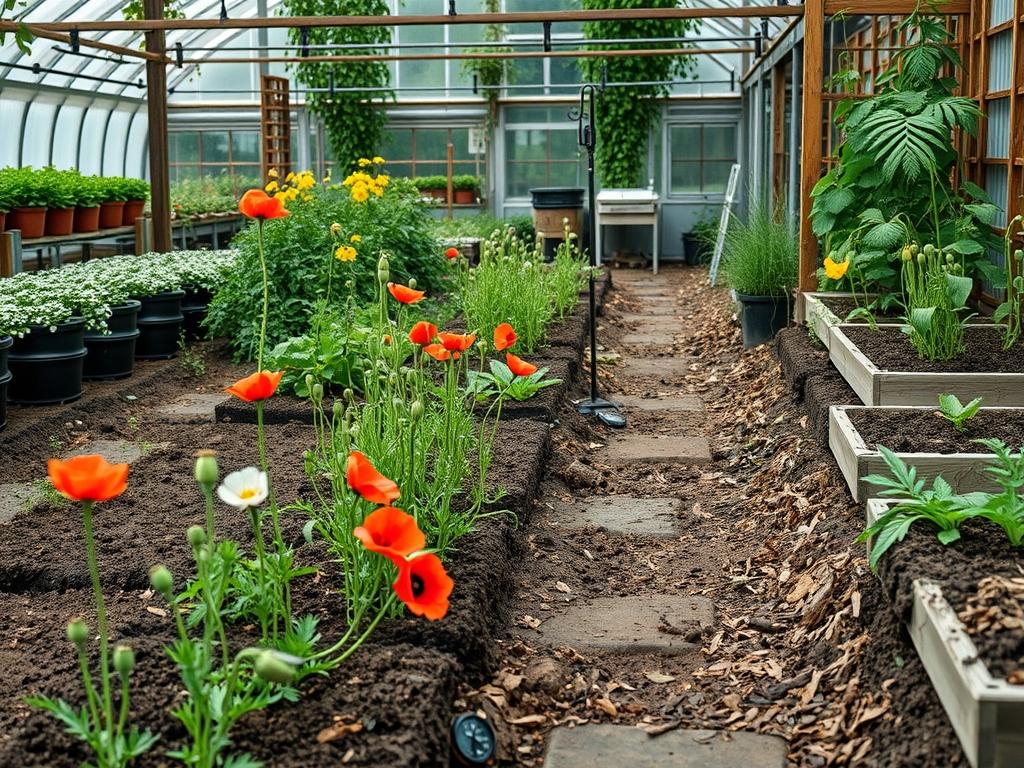
Integrating the ephemeral beauty of ornamental blooms with a functional, edible yield presents a unique challenge for the contemporary landscape architect. When planning for a harvest of garden poppy seeds, specifically for culinary applications, the designer must look beyond the brief spring flowering window. One must consider the entire lifecycle of the Papaver somniferum, also known as the breadseed poppy, as it transitions from a vibrant focal point to a structural seed pod. Successful integration requires a meticulous understanding of local microclimates and soil drainage. Homeowners often desire the romanticism of a cottage garden, yet professional landscaping demands a level of order and sustainability that prevents these self-seeding annuals from becoming an unruly mess. The goal is to maximize the utility of the plant for baking while maintaining the architectural integrity and curb appeal of the outdoor environment.
The transition from a flowering landscape to a harvesting site involves a shift in aesthetic priorities. While the vibrant petals of the poppy are the primary draw in late spring, the landscape consultant views these as temporary precursors to the valuable seed pods. For culinary purposes, the Papaver somniferum is the industry standard, producing the slate-blue or black seeds found in high-quality pastries. Planning the outdoor space around these plants requires a strategic approach to elevation and visibility. If the site is poorly graded, the poppies will suffer from root rot or fungal infections, which can compromise the quality of the seeds. Therefore, the implementation of a functional poppy garden begins with professional site analysis, ensuring that the soil chemistry and drainage patterns support the heavy nutrient demands of these prolific seed producers.
Landscape Design Principles
Achieving a professional balance in a garden dedicated to Harvesting Garden Poppy Seeds requires adherence to core design principles, starting with visual weight and symmetry. Poppies have a distinct verticality. Their glaucous, blue-green foliage provides a unique texture that contrasts sharply with traditional turf or common shrubs like Buxus. Architects often use poppies in large drifts to create a sense of movement. However, because poppies die back significantly after their flowering phase, they must be interplanted with perennials that can “mask” the drying pods as they mature for harvest. This layering technique ensures that the landscape does not appear neglected during the critical weeks when the seeds are ripening within their capsules.
Focal points are essential in any large-scale garden plan. In a poppy-centric design, the architect might use a stone birdbath or a wrought iron trellis to anchor the space. Poppies should be positioned in the mid-ground. Placing them too close to the edge of a walkway can lead to the delicate stems being crushed, while placing them too far back makes the eventual harvest difficult to manage. Irrigation planning is another critical pillar. Overhead watering should be avoided once the pods begin to form; moisture trapped in the “crown” of the pod can lead to mold, ruining the crop for baking. Instead, a drip irrigation system should be installed to deliver water directly to the root zone, maintaining the health of the plant without endangering the ripening seeds.
Plant and Material Selection
| Plant Type | Sun Exposure | Soil Needs | Water Demand | Growth Speed | Maintenance Level |
| :— | :— | :— | :— | :— | :— |
| Breadseed Poppy | Full Sun | Loamy, Well-drained | Moderate to Low | Rapid | Medium |
| Lavender | Full Sun | Gritty, Alkaline | Low | Moderate | Low |
| Echium | Full Sun | Poor, Sandy | Very Low | Fast | Low |
| Russian Sage | Full Sun | Any, Well-drained | Low | Moderate | Low |
| Creeping Thyme | Full Sun | Shallow, Rock | Low | Moderate | Low |
The selection of Papaver somniferum cultivars is paramount for a successful baking harvest. Varieties such as Hungarian Blue or Ziar are specifically bred for their large pods and flavorful seeds. When selecting companion plants, the architect must choose species that share the poppy’s love for full sun and well-drained soil. Lavender and Russian Sage are excellent choices; they provide a structural backdrop that remains attractive long after the poppies have been harvested. Furthermore, the use of organic mulch or fine-grit pea gravel can help regulate soil temperature and prevent soil-borne pathogens from splashing onto the foliage during rain events.
Implementation Strategy
The implementation of a professional-grade poppy garden begins with the physical preparation of the terrain. Grading is the first step. To ensure proper drainage, the site may require a slight slope or the installation of French drains if the area is prone to standing water. Once the grade is established, the soil should be amended with compost and bone meal to provide the necessary phosphorus for bloom and seed production. The architect specifies a soil pH between 6.0 and 7.5 for optimal nutrient uptake.
Sowing the seeds requires a different approach than typical container gardening. Poppies have sensitive taproots and do not transplant well. Therefore, seeds should be broadcast directly onto the prepared soil in late autumn or very early spring, depending on the USDA hardiness zone. For a uniform look, designers often mix the tiny seeds with fine sand to ensure even distribution across the site. A light rake can be used to settle the seeds, but they should not be buried deep; they require light to germinate. As the seedlings emerge, thinning is necessary. Plants should be spaced approximately 12 inches apart to allow for proper airflow. This prevents the “lodging” of stems where the heavy seed pods cause the plant to fall over in high winds.
When the poppies finish blooming, the pods will remain on the stems. The architect must resist the urge to “deadhead” the flowers if a harvest is desired. The pods will turn from green to a dusty tan or brown, and the “vents” under the small crown at the top of the pod will open. This is the physiological signal that the seeds are dry and ready for collection. A professional harvest involves cutting the stems with bypass pruners and placing the pods upside down in a clean collection bucket.
Common Landscaping Failures
The most frequent failure in poppy cultivation is improper drainage. If the soil remains saturated, the roots will fail, and the pods will often “abort” before the seeds reach maturity. Another common mistake is the use of high-nitrogen fertilizers. While nitrogen promotes lush green growth, it often results in weak stems that cannot support the weight of the ripening pods. A balanced, slow-release fertilizer is a much better choice for the structural integrity of the plant.
Overcrowding is a significant issue in novice landscapes. When plants are too close together, they compete for light and nutrients, resulting in smaller pods and a diminished seed yield. Proper spacing, as specified in the site plan, is non-negotiable for a professional result. Additionally, many gardeners harvest too early. If the seeds are still white or pink when the pod is opened, they haven’t developed the necessary oils for baking. The seeds must be dark blue, gray, or black, and they should clearly “rattle” inside the pod when shaken. Failing to monitor these technical indicators results in a crop that lacks the signature nutty flavor required for high-end culinary use.
Seasonal Maintenance
Spring maintenance focuses on germination and thinning. Once the soil reaches roughly 55 degrees Fahrenheit, the seedlings will appear. This is also the time to apply a light layer of mulch to suppress weeds, but care must be taken not to smother the young poppy plants. During the transition into summer, the focus shifts to moisture management. As the heat increases, the poppies will bloom and then fade. Irrigation should be tapered off as the pods turn brown to allow them to dry naturally on the stalk.
Autumn is the season for harvest and replenishment. After the seeds have been collected, the spent plants should be removed to the compost pile, assuming they are disease-free. This is also the ideal time for “over-seeding” if the landscape plan calls for a naturalized look the following year. In winter, the garden lies fallow. The architect uses this time to inspect retaining walls and hardscaping for frost heave. Applying a thin layer of leaf mold can protect the soil structure during the coldest months, ensuring the ground is ready for the rapid growth cycle that begins as soon as the snow melts.
Professional Landscaping FAQ
Which poppy variety is safest for baking?
The Papaver somniferum is the only variety used for culinary purposes. Most other species, such as the Oriental poppy, are strictly ornamental and do not produce the quantity or flavor of seeds required for baking tasks or oil production.
How do I know when the seeds are ready?
Wait until the pods are hard, brown, and brittle. You should hear the seeds rattling inside when the stem is shaken. Additionally, small pores or vents will open near the top of the capsule, indicating the seeds are fully dry.
Can I grow poppies in heavy clay soil?
Poppies struggle in compacted clay. To succeed, you must amend the soil with coarse sand and organic matter to improve porosity. Alternatively, constructing raised beds is a highly effective way to manage drainage and ensure a healthy poppy harvest.
Do poppies require a lot of fertilizer?
No, poppies prefer moderately fertile soil. Excessive fertilization, particularly with nitrogen, leads to floppy plants and poor seed development. A single application of a balanced, organic fertilizer in early spring is generally sufficient for the entire growing season.
How should I store the seeds after harvest?
After removing the seeds from the pods, spread them on a baking sheet for a few days to ensure total dryness. Store the finished seeds in an airtight glass jar in a cool, dark place or the refrigerator for longevity.