
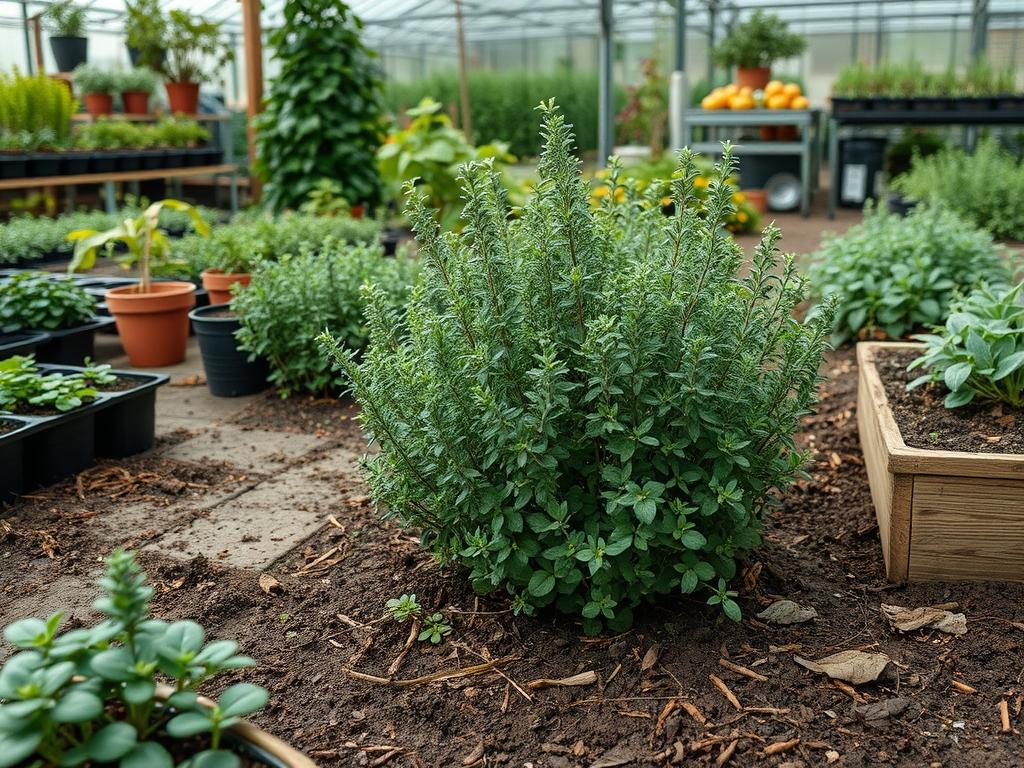
Integrating edible perennials into a professional landscape requires a precise balance between aesthetic form and horticultural function. When we consider the role of Mediterranean herbs within a modern outdoor environment, we are not merely planting a garden; we are designing a multisensory experience that enhances curb appeal while providing sustainable utility. Thyme is a cornerstone of this approach. It serves as a versatile groundcover, a fragrant softening agent for hardscape edges, and a resilient component of xeriscaping. However, the success of these plants relies heavily on a structured maintenance plan, particularly regarding the specific window for harvesting garden thyme. Professional landscape architects view the harvest not just as a culinary task, but as a critical pruning event that maintains the structural integrity and visual density of the plant within the broader design.
The challenge in high end residential landscaping is often the conflict between lush growth and structural longevity. Thyme, particularly species like Thymus vulgaris or Thymus citriodorus, can become woody and leggy if left to grow without intervention. This degradation of form negatively impacts the visual balance of a garden bed. By understanding the physiological cycle of the plant, we can time our interventions to coincide with peak oil production, ensuring that the material harvested for drying is of the highest quality while simultaneously promoting a flush of new, dense growth that keeps the landscape looking manicured.
Landscape Design Principles
Effective landscape design utilizes thyme to achieve several crucial goals: symmetry, elevation layering, and textural contrast. In a formal parterre, thyme provides a low growing boundary that defines geometric shapes without obscuring the sightlines of taller focal points like Buxus sempervirens or ornamental statuary. Because thyme thrives in well drained environments, it is an ideal candidate for elevation layers such as raised stone planters or retaining walls. When planted at the top of a stone wall, creeping varieties will cascade over the edge, softening the hard lines of the masonry and creating a natural, weathered aesthetic that appeals to the eye.
Symmetry is maintained by ensuring that all thyme patches in a rhythmic pattern are harvested and pruned at the same time. This prevents the landscape from appearing lopsided. Furthermore, we use thyme to bridge the transition between the rigid geometry of concrete pavers and the organic flow of the planting beds. By filling the gaps in a flagstone walkway with lemon thyme, we introduce a tactile element that releases fragrance when stepped upon. This adds a layer of “sensory landscaping” that elevates a standard backyard into a sophisticated outdoor retreat. Irrigation planning must be segmented to ensure these low water needs do not conflict with more thirsty turfgrass or tropical specimens.
Plant and Material Selection
The following table outlines the specifications for common perennials used in conjunction with thyme to create a cohesive, low maintenance landscape.
| Plant Type | Sun Exposure | Soil Needs | Water Demand | Growth Speed | Maintenance Level |
| :— | :— | :— | :— | :— | :— |
| Thymus vulgaris | Full Sun | Sandy, Loamy | Low | Moderate | Medium |
| Rosmarinus officinalis | Full Sun | Well Drained | Low | Moderate | Low |
| Lavandula angustifolia | Full Sun | Alkaline/Gritty | Low | Moderate | Medium |
| Salvia officinalis | Full Sun | Gritty, Dry | Low | Fast | Low |
| Stachys byzantina | Full Sun/Part | Well Drained | Medium | Fast | Medium |
| Sedum spurium | Full Sun | Poor/Rocky | Very Low | Fast | Very Low |
When selecting materials for the supporting infrastructure, we prioritize natural stone and high quality aggregates. For the base of a herb garden, a layer of crushed limestone or pea gravel serves as an effective inorganic mulch. This material reflects light back into the canopy, which is essential for developing the oils we seek when harvesting garden thyme, while also preventing crown rot by keeping moisture away from the stems.
Implementation Strategy
The implementation of a professional herb landscape begins with site grading. Proper drainage is the most significant factor in the health of Mediterranean plants. We start by ensuring a minimum 2 percent slope away from any structural foundations. If the soil is heavy clay, we excavate to a depth of 12 inches and backfill with a custom soil amendment consisting of 60 percent sandy loam, 20 percent perlite, and 20 percent organic compost. This creates the porous environment necessary for thyme to establish a deep, resilient root system.
Once the grading is complete, we lay out the hardscape elements. Using steel edging or tumbled stone borders creates a clean transition between the planting area and adjacent lawn or pathways. This edging prevents the thyme from encroaching into the turf and maintains the crisp lines required for high curb appeal. When the plants are installed, we spacing them at 12-inch intervals to allow for future expansion while ensuring immediate visual impact. A 2-inch layer of light colored mulch is applied to regulate soil temperature.
The final step in implementation is the integration of a drip irrigation system. We install 0.5 GPH emitters at the base of each plant, managed by a smart controller that adjusts for local weather patterns. This precision prevents overwatering, which is the primary cause of root failure in these species.
Common Landscaping Failures
The most frequent error in Mediterranean style landscaping is improper drainage planning. When water is allowed to pool around the base of the plant, the root system quickly succumbs to fungal pathogens. In many cases, designers fail to account for “microclimates” created by the shadows of the home, leading to thyme being planted in areas with insufficient solar radiation. Without at least six to eight hours of direct sunlight, the plant will become spindly, and the leaves will lack the aromatic compounds desired for drying.
Another common failure is the use of high nitrogen fertilizers. While this may induce rapid growth, it results in soft, flavorless foliage that is susceptible to pests and winter damage. Professional architects prefer a slow release, low nitrogen formula applied only in early spring. Furthermore, many homeowners neglect the “replacement cycle” of these plants. Thyme is generally productive for three to five years before it becomes overly woody. A landscape management plan should include a schedule for periodic replacement or radical rejuvenation pruning to ensure the site’s aesthetic does not decline over time.
Seasonal Maintenance
The timing for harvesting garden thyme for drying is the centerpiece of the summer maintenance schedule. The optimal window occurs in late spring or early summer, just as the flower buds begin to form but before they actually open. At this precise physiological stage, the concentration of essential oils is at its peak. We recommend harvesting in the mid morning, after the morning dew has completely evaporated but before the intense heat of the afternoon sun begins to dissipate the volatile oils.
During the spring, maintenance focuses on removing any winter dieback and preparing the soil with a light application of rock dust for minerals. In the summer, after the primary harvest is complete, a light pruning helps maintain a compact shape. Autumn maintenance involves cleaning away fallen leaves from the herb beds to prevent moisture from being trapped against the foliage during the dormant season. Finally, winter care in colder climates may include a light covering of evergreen boughs to protect the plants from heavy snow loads and desiccation from cold winds.
By following this professional regimen, the landscape remains a vibrant, functional asset. The process of harvesting garden thyme becomes a ritual that connects the homeowner to the seasonal rhythm of their environment, while the physical design provides a structured, high value backdrop for outdoor living.
Professional Landscaping FAQ
How do I tell if my thyme is ready for harvest?
Look for the appearance of small flower buds at the tips of the stems. If you see the first few blossoms opening, you are in the peak window for oil concentration. Use sharp bypass pruners for clean cuts.
What is the best way to dry harvested thyme?
Gather small bundles of stems and secure them with a rubber band. Hang them upside down in a cool, dark place with excellent airflow. Alternatively, place the stems on a fine mesh screen to ensure even drying from all sides.
Can I grow thyme in a shaded garden?
Thyme requires a minimum of six hours of direct sunlight to maintain its structural form and aromatic qualities. In shaded areas, the plant will become leggy and lose its characteristic density, which negatively impacts the landscape’s visual appeal.
Should I use organic or inorganic mulch?
For thyme and other Mediterranean herbs, pea gravel or crushed stone is superior to wood mulch. These inorganic materials do not retain excess moisture around the crown, significantly reducing the risk of rot while providing an elegant, finished look.
How often should I replace my thyme plants?
Most thyme varieties have a functional landscape lifespan of three to five years. Once the center of the plant becomes excessively woody and sparse, it is time to replace it with fresh healthy nursery stock to maintain design integrity.