
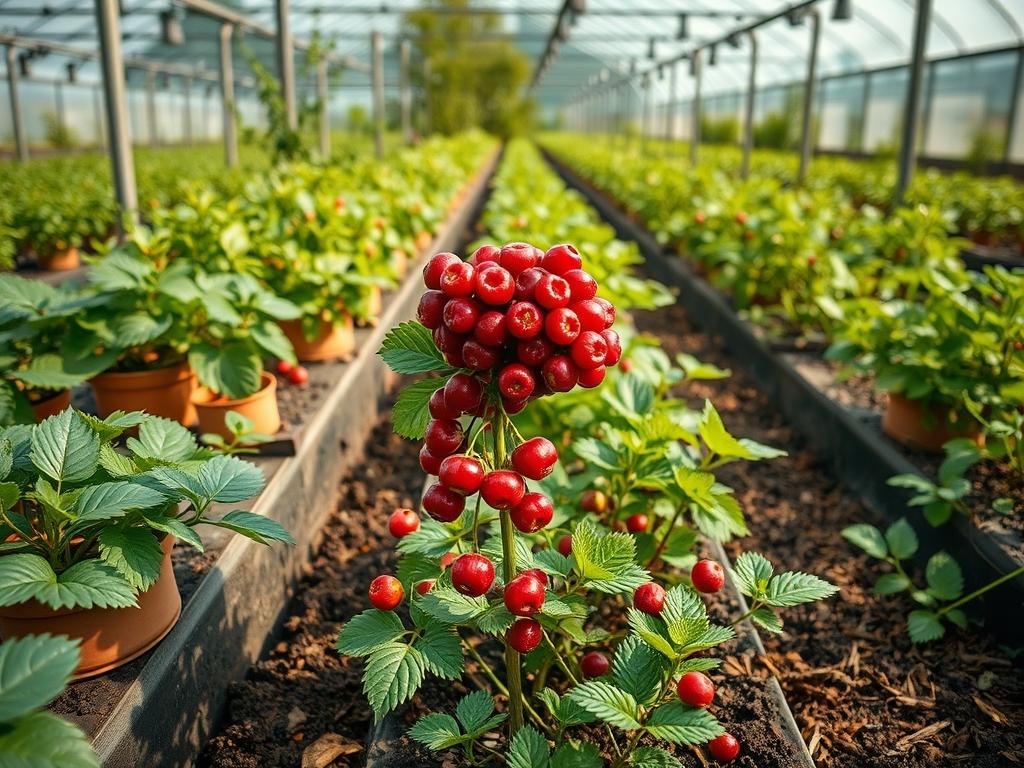
Integrating the cultivation of fruit-bearing groundcovers into a high-end residential landscape presents a unique set of challenges and rewards. While many homeowners prioritize ornamental aesthetics, the modern trend toward edible landscapes requires a delicate balance of soil chemistry, architectural structure, and precise timing. The most critical moment in this cycle is the period following the first frost, which serves as the physiological trigger for fruit maturity. For the landscape architect, designing a space that accommodates the specific needs of American Cranberries (Vaccinium macrocarpon) involves more than just digging a hole in the ground. It requires a deep understanding of how topography and climate interact to produce a crop that is as visually stunning as it is delicious. When picking fresh cranberries, the transition from the vibrant green and red of early autumn to the deep, mahogany hues after a frost signal the peak of the harvest season.
Successful landscape integration begins with an assessment of the site’s microclimate and curb appeal. Cranberries are remarkably versatile when utilized as a low-lying evergreen groundcover, offering a dense mat of tiny, glossy leaves that transition to a beautiful bronze-purple in the winter. However, their primary appeal lies in the tart, ruby-red berries that hang beneath the foliage. To maximize the impact of this feature, designers must consider how the harvest timeline fits into the broader maintenance schedule of the property. The first frost is a catalyst; it converts the starches within the fruit into sugars and intensifies the red pigmentation by increasing anthocyanin levels. This natural process improves the flavor profile and ensures the fruit has the firm, snappy texture required for storage. From a functional perspective, waiting for this frost ensures that the fruit has reached maximum size and weight, providing a better yield for the homeowner while maintaining the visual integrity of the garden bed.
Landscape Design Principles
When incorporating cranberries into a professional landscape plan, symmetry and focal points are essential for maintaining a sense of order. Since cranberries are prostrate, spreading plants that rarely exceed 8 inches in height, they serve as an excellent “masking layer” for the transition between hardscaped walkways and taller shrubs. Effective design uses focal points, such as a large Granite Boulder or a decorative water feature, to draw the eye upward and provide a structural contrast to the carpet-like growth of the berries. This prevents the area from appearing overgrown or neglected, especially in the dormant winter months when the foliage takes on its darker hue.
Elevation layers play a vital role in both the health of the plant and the ease of harvest. We often design “tiered” beds where the cranberries occupy the lowest level, closest to the irrigation source and pedestrian paths. This allows for easier access when picking fresh cranberries, as the harvester does not have to trample other delicate species. Strategic placement along a stone walkway ensures that the fruit can be reached without compacting the specialized soil required for bog-plants. Furthermore, creating a slight slope in the bed design facilitates drainage, preventing the roots from sitting in stagnant water during the rainy season while still allowing for the high moisture levels these plants crave. Irrigation planning must be meticulously integrated, often utilizing a low-volume drip system or micro-sprinklers that can be programmed to provide frost protection. When temperatures dip just below freezing, a light coating of water can actually insulate the berries, preserving their quality for a later harvest.
Plant and Material Selection
| Plant Type | Sun Exposure | Soil Needs | Water Demand | Growth Speed | Maintenance Level |
| :— | :— | :— | :— | :— | :— |
| American Cranberry | Full Sun | Acidic (pH 4.0-5.5) | High | Slow | High |
| Highbush Blueberry | Full Sun | Acidic / Peat-rich | Moderate | Medium | Medium |
| Creeping Thyme | Full Sun | Well-drained / Sandy | Low | Fast | Low |
| Lingonberry | Part to Full Sun | Acidic / Moist | Moderate | Slow | Medium |
| Dwarf Sedge | Part Shade | Variable | Moderate | Medium | Low |
| Wintergreen | Shade / Part Sun | Acidic loam | Moderate | Slow | Low |
Implementation Strategy
The process of constructing an edible cranberry bed mirrors the technical requirements of a high-performance athletic field or a putting green. Traditional backyard soil is rarely suitable for cranberries due to its high pH and heavy clay content. The first step involves excavating the area to a depth of at least 12 inches. After excavation, the floor of the bed should be lined with a semi-permeable Filter Fabric to prevent the native soil from mixing with the specialized growing medium. A mixture of 70 percent Peat Moss and 30 percent coarse Horticultural Sand is then used to fill the space. This creates the acidic, oxygen-rich environment necessary for the adventurous root systems of the cranberry vines to thrive.
Once the soil is prepared, grading is performed to ensure a level surface with a very slight crown to prevent pooling in the center. Edging is a critical architectural element here; using a heavy-duty Steel Edging or a Cedar Board border keeps the cranberry runners contained and prevents invasive grass from encroaching on the bed. When the plants are installed, usually at a spacing of 12 inches on center, a thin layer of sand known as “sand-capping” should be applied. This 0.5 inch layer of sand helps suppress weeds and provides a clean surface for the berries to rest on. As the plants mature, they will fill in the gaps to create a seamless evergreen rug. Irrigation lines must be laid beneath the mulch or sand layer to ensure direct delivery to the root zone without excessive evaporation.
Common Landscaping Failures
The most frequent mistake in cranberry landscaping is improper drainage management. While cranberries are associated with bogs, they do not grow in standing water year-round. In a landscape setting, “wet feet” caused by poor drainage will lead to root rot and the eventual death of the plant. Architects must ensure that the bed is not situated at the base of a heavy-flow downspout or in a natural basin where water collects without an outlet. Another common failure is the use of standard fertilizers. High-nitrogen fertilizers common in lawn care will promote excessive leafy growth at the expense of fruit production, making the process of picking fresh cranberries much more difficult as the fruit remains hidden under a dense canopy of foliage.
Soil compaction is another silent killer of the productive garden. In high-traffic areas, the weight of pedestrians or heavy maintenance equipment crushes the delicate air pockets in the peat-sand mixture. This leads to stunted growth and poor fruit set. To avoid this, we recommend the installation of Flagstone Stepping Stones within the cranberry bed to provide a stable surface for the harvester. Finally, many landscapers fail to monitor pH levels over time. As groundwater or tap water (which is often alkaline) is applied, the pH of the bed will slowly rise. Regular testing with a Digital pH Meter and the application of elemental sulfur are necessary to maintain the acidity that allows the plant to absorb nutrients effectively.
Seasonal Maintenance
Designing for the four seasons requires a proactive management plan. In the spring, the focus is on weed suppression and the application of a slow-release, acidic fertilizer. As the vines begin their “flush” of new growth, it is essential to monitor for pests like the cranberry fruitworm. Summer maintenance revolves around water management; the soil must remain consistently moist to the touch but not saturated. This is also when the delicate, bell-shaped flowers appear, requiring a quiet environment for pollinators like bumblebees to do their work.
Autumn is the most rewarding season, focused entirely on the harvest. The timing for picking fresh cranberries begins in late September and extends through November. The ideal window is immediately following the first light frost, when the temperature drops to roughly 32 degrees Fahrenheit. This cold snap signals the plant to move its energy into the fruit. If you harvest too early, the berries may be pale and lack the characteristic snap; if you wait too long into the deep freeze of winter, the berries can soften and lose their storage life. Winter maintenance involves protecting the vines from “winter scorch,” which happens when the ground is frozen but the sun and wind dehydrate the leaves. A light covering of Pine Boughs or a Winter Mulch of additional sand can protect the bed until the spring thaw begins.
Professional Landscaping FAQ
How do I know the cranberries are ready for picking?
Wait for the berries to turn a deep, uniform red. After the first frost, bounce one on a hard surface. A ripe cranberry will be firm and have enough internal air pressure to bounce, indicating it is ready for harvest.
Can I grow cranberries in a standard flower bed?
Only if you modify the soil significantly. Standard garden soil is usually too alkaline and heavy. You must replace the top foot of soil with a mix of peat moss and sand to achieve the necessary acidity and drainage.
Do cranberries require a lot of sun?
Yes, for the best fruit production, they require at least six to eight hours of direct sunlight. While they can survive in partial shade, the foliage will be thinner and the berries will likely remain small and green.
How much water do they need during the summer?
The soil should never dry out completely. During the heat of the summer, they generally require about 1 inch of water per week, though in sandy soil, you may need to apply water more frequently in smaller amounts.
Should I prune my cranberry vines?
Minimal pruning is required. Every few years, you can lightly trim the upright runners to encourage more fruit-bearing branches. Avoid heavy pruning, as this can shock the plant and reduce the following year’s crop significantly.