
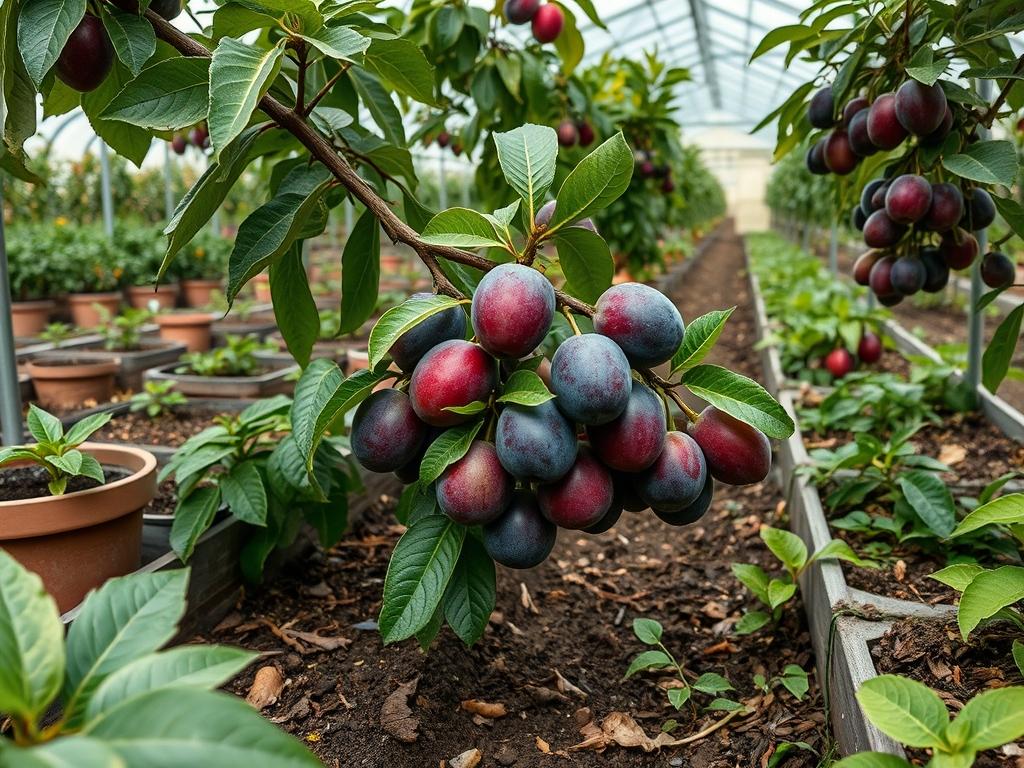
Integrating a productive fruit tree into a sophisticated residential landscape requires a delicate balance between horticultural needs and aesthetic intent. When a homeowner prioritizes harvesting summer plums for jam, the landscape architect must view the tree not merely as a source of produce, but as a structural anchor that influences the site topography, drainage patterns, and year-round visual interest. The primary challenge involves placing the tree where it receives maximum solar exposure for fruit ripening while ensuring that leaf drop and fruit fall do not compromise the functionality of high-traffic outdoor living areas. A plum tree in peak season is a heavy, vibrant focal point, its limbs weighted with purple or amber fruit that signals the transition into late summer. Managing this cycle requires a sophisticated understanding of timing, because the window for harvesting summer plums is surprisingly brief. For the highest quality preserves, the fruit must be gathered when the pectin levels are high and the sugars have developed enough to offer a complex flavor profile without the watery mushiness of over-ripeness.
Successful garden planning treats the harvest as a site-management event. If the tree is situated over a slate patio or a delicate walkway, the fallen fruit can create staining and slip hazards, undermining the professional finish of the hardscape. Strategic placement within a softscape zone, perhaps surrounded by a transition of mulch or low-lying groundcover, allows the owner to access the canopy easily without tracking sticky residue back into the home. Furthermore, the tree acts as a seasonal clock for the landscape. In spring, the white or pink blossoms provide a delicate, fleeting texture that contrasts with the architectural rigidity of stone retaining walls. By the time mid-summer arrives, the deepening color of the skin on a Santa Rosa Plum or a Methley Plum provides a visual cue that the harvest window is opening. This intersection of utility and design is the hallmark of a well-conceived outdoor environment, where the rhythm of the seasons dictates the maintenance and enjoyment of the space.
Landscape Design Principles
A professional landscape layout must respect the principles of symmetry and focal points to remain cohesive throughout the year. When incorporating trees intended for harvesting summer plums, they should be positioned as specimen plants that draw the eye during their fruiting peak. To achieve visual balance, consider the elevation layers of your garden. A plum tree should serve as the mid-story canopy, bridging the gap between tall perimeter evergreens and low-profile herbaceous perennials. If the site has significant topographical changes, placing the tree on a slight incline or a raised terrace can improve air circulation and prevent frost pockets that might kill early spring blossoms.
Irrigation planning is another pillar of landscape architecture that directly affects fruit quality. Consistent moisture is required to prevent the fruit from splitting, a common issue when a dry spell is followed by heavy rain. Incorporating a dedicated drip irrigation zone for the fruit-bearing area ensures that water reaches the root zone efficiently without wetting the foliage, which reduces the risk of fungal pathogens. Additionally, walkways should be designed with the harvest in mind. A wide, stable path made of Decomposed granite or Flagstone provides a firm footing for ladders and heavy buckets during the intense week of picking. These paths should curve naturally with the land, leading the viewer through the garden while providing functional access to the productive zones.
Plant and Material Selection
Selecting the right cultivars and companion materials is essential for a low-maintenance, high-yield landscape. The table below outlines several options for a productive and beautiful garden.
| Plant Type | Sun Exposure | Soil Needs | Water Demand | Growth Speed | Maintenance Level |
| :— | :— | :— | :— | :— | :— |
| Santa Rosa Plum | Full Sun | Well-drained Loam | Moderate | Fast | Medium |
| Methley Plum | Full Sun | Fertile Sandy Clay | Moderate | Medium | Low |
| Japanese Maple | Partial Shade | Slightly Acidic | High | Slow | Medium |
| English Lavender | Full Sun | Gritty/Alkaline | Low | Medium | Low |
| Creeping Thyme | Full Sun | Well-drained | Low | Fast | Low |
| Blueberry Bush | Full Sun | Acidic/Peat-rich | High | Slow | High |
Using a mix of these species creates a tiered effect. The Santa Rosa Plum stands as the anchor, while English Lavender planted at the base provides a Mediterranean aesthetic and attracts pollinators that are vital for fruit set. When choosing materials for the surrounding beds, a high-quality Hardwood mulch or Cedar bark is recommended to regulate soil temperature and retain the moisture necessary for juicier fruit.
Implementation Strategy
Implementing a backyard layout starts with proper site preparation. Begin with a professional site survey to mark existing utilities and natural drainage paths. Once the site is cleared, use a Trenching shovel to install any necessary drainage pipes. If the soil is heavy clay, you must amend it with Gypsum and organic compost to a depth of 18 inches before planting. Avoid simply digging a hole for the tree; instead, prepare the entire planting bed to encourage outward root growth.
Grading is the next critical step. Ensure the soil slopes away from the foundation of the home at a rate of roughly 1/4 inch per foot. When the plum trees are in the ground, apply a layer of Landscape fabric only if you are using it under permanent hardscape features; for planting beds, skip the fabric and use 3 inches of organic mulch. This allows for the natural decomposition of matter which feeds the soil. Edging the beds with Steel edging or Pressure-treated timber creates a crisp line that defines the lawn from the orchard area, giving the garden a formal, intentional appearance even in the wilder, fruit-heavy months of July and August.
Common Landscaping Failures
The most frequent mistake in edible landscaping is poor drainage. Plum trees cannot tolerate wet feet; if the roots sit in stagnant water, the tree will lose vigor, and the fruit will reflect this with poor flavor and diminished size. If you notice standing water after a rainstorm, you may need to install a French drain using Perforated pipe and 1-inch gravel to redirect the runoff. Another common failure is root overcrowding. Designing a garden without considering the mature spread of a plum tree, which can reach 15 feet or more, leads to stunted growth and poor air circulation. This lack of airflow is a primary driver of brown rot, a fungus that can ruin a jam-harvesting window in a matter of days.
Soil compaction is another silent killer in the landscape. During the construction of patios or retaining walls, heavy machinery often compresses the soil, destroying the pore space needed for oxygen to reach the roots. To remediate this, use a Core aerator before final planting. Finally, many homeowners fail to plan for the eventual weight of the fruit. Limbs can snap under the pressure of a bumper crop. Supporting young branches with Wooden stakes or proactive thinning of the fruit is a necessary part of the architectural maintenance plan.
Seasonal Maintenance
The beauty of a professional landscape is maintained through a disciplined seasonal schedule. In the spring, focus on structural pruning. Use a Pruning saw to remove any dead or crossing branches, opening up the center of the tree to light. This ensures that the plums in the interior of the canopy ripen at the same rate as those on the outer edges. Apply a balanced fertilizer at the Drip line just as the buds begin to swell.
Summer maintenance is dominated by water management and the harvest itself. The best window for harvesting summer plums for jam occurs when the fruit provides a slight resistance to a gentle squeeze. If they are too hard, the flavor is underdeveloped; if they are too soft, the pectin has broken down. Generally, this window lasts about seven to ten days in late July or early August depending on your microclimate. In autumn, clear away all fallen fruit and leaves using a Leaf rake to prevent pests like the plum curculio from overwintering in the soil. Winter is the time for dormant spraying with Horticultural oil to manage scale and mites, ensuring the landscape returns to its peak health when the cycle begins again.
Professional Landscaping FAQ
What is the best mulch for fruit tree beds?
A Double-ground hardwood mulch is ideal. It suppresses weeds and retains moisture while breaking down slowly to provide essential nutrients to the root zone. Avoid dyed mulches which can contain chemicals harmful to edible crops.
How far should a plum tree be from a house?
Maintain a minimum distance of 15 feet from the foundation. This prevents root interference with the structure and ensures the canopy has enough room to expand without crowding the roofline or gutters.
Can I grow plums in a small urban yard?
Yes, use columnar or dwarf varieties. These can be integrated into large Terracotta pots or stone planters, provided they have adequate drainage and are watered more frequently than trees planted in the ground.
Why does my tree drop fruit early?
Early drop is often caused by inconsistent watering or a lack of thinning. If the tree has too much fruit, it will naturally shed some to protect its limbs. Proper Irrigation helps minimize this stress.
Is a retaining wall necessary for a hilltop orchard?
If the slope exceeds 10 degrees, a Gravity retaining wall can prevent soil erosion. This creates a level planting pocket that holds water and nutrients more effectively than a steep incline.