
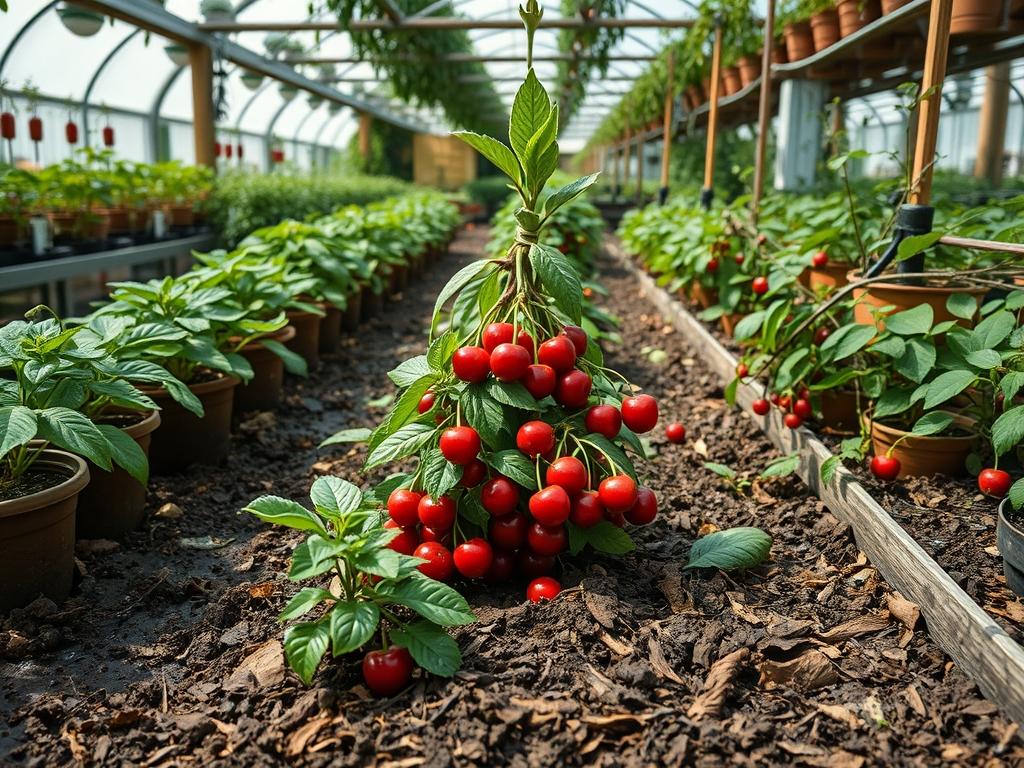
Integrating a productive orchard element into a sophisticated residential landscape requires a delicate balance between aesthetic elegance and agricultural utility. For many homeowners, the challenge lies in maintaining the curb appeal of the property while ensuring that the fruit remains protected from pests and environmental stressors. When the time comes for picking garden cherries, the success of the harvest is often determined months in advance by the structural design of the outdoor environment. A well planned landscape does more than just host a tree; it provides the infrastructure necessary for protection, access, and long term health. This involves considering the local microclimate, the prevailing wind patterns, and the proximity to water sources for integrated irrigation. By treating the cherry tree as a formal architectural focal point rather than an isolated garden plant, we can enhance the overall value of the property while securing a pristine crop.
The functionality of your outdoor space hinges on how easily you can navigate the area during the peak of the season. To protect your crop effectively, the landscape must allow for the deployment of physical barriers, such as netting or bird exclusion frames, without compromising the visual harmony of the backyard. Picking garden cherries often involves high traffic around the base of the tree, which can lead to soil compaction and damage to secondary plantings if the layout is not carefully engineered. Therefore, the architectural approach must prioritize soil health and accessibility from the initial design phase. This ensures that the act of harvesting is a seamless extension of the outdoor living experience, rather than a messy or destructive chore.
Landscape Design Principles
Successful landscape architecture relies on the intelligent application of symmetry and visual weight to guide the eye and the foot. When positioning cherry trees, consider them as primary focal points that anchor the corners of a garden or define the central axis of a lawn. By using elevation layers, you can create a tiered effect where the fruit trees occupy the highest ground, ensuring excellent air circulation and frost drainage. This elevation is critical for protecting the blossoms from late spring chills, which directly impacts the fruit set.
Walkways and harvest corridors are essential components of any productive landscape. Instead of simple dirt paths, utilize Permeable pavers or Decomposed granite to create stable, well drained surfaces that can support the weight of a Multipurpose ladder or Orchard bin. These paths should be at least 36 inches wide to allow for easy movement during the harvest. Strategic irrigation planning is equally vital; subsurface drip systems are preferred to overhead sprayers because they keep the foliage and fruit dry, significantly reducing the risk of fungal infections such as brown rot. By integrating these systems into the hardscape, you maintain a clean, uncluttered aesthetic while providing the precise moisture the trees require.
Plant and Material Selection
The following table outlines the key elements required for a balanced, productive, and aesthetically pleasing orchard zone.
| Plant Type | Sun Exposure | Soil Needs | Water Demand | Growth Speed | Maintenance Level |
| :— | :— | :— | :— | :— | :— |
| Sweet Cherry (Prunus avium) | Full Sun | Well drained, Loam | Moderate | Medium | High |
| Dwarf Rootstock Cherry | Full Sun | Rich, Organic | Constant | Slow | Medium |
| Creeping Thyme | Full Sun | Sandy, Poor | Low | Fast | Low |
| Lavender (Lavandula) | Full Sun | Alkaline, Dry | Very Low | Medium | Low |
| Blueberry Bush | Partial Sun | Acidic, Moist | High | Slow | Medium |
Selecting the right variety is the first step in protecting your crop. Dwarf and semi dwarf varieties are significantly easier to manage within a residential setting because they keep the fruit within reach, reducing the need for dangerous climbing and making it simpler to drape Bird netting over the canopy. Complementary underplantings, such as Lavender or Salvia, serve a dual purpose; they attract vital pollinators during the blooming stage and act as a living mulch that regulates soil temperature during the heat of the summer.
Implementation Strategy
The transition from a blueprint to a physical garden requires a systematic approach to site preparation. Begin with professional grading to ensure that water moves away from the trunk and root flare. Cherries are notoriously sensitive to “wet feet,” and poor drainage will lead to root rot faster than almost any other factor. Once the site is graded, install Retaining walls if the slope exceeds a 10 percent grade. These walls create level planting pockets that simplify the picking garden cherries process by providing a flat surface for equipment and steady footing for the gardener.
Edging is another critical detail that separates a professional landscape from an amateur one. Use Steel edging or Belgian block to define the transition between the orchard zone and the turf. Inside these beds, apply a 3 inch layer of Organic wood chip mulch to suppress weeds and retain moisture. However, ensure the mulch is kept at least 6 inches away from the trunk to prevent bark decay. For bird protection, consider installing permanent or semi permanent timber frames that can support Polyethylene mesh. These structures should be integrated into the garden design as arbors or pergolas, providing architectural interest even when the netting is not in use.
Common Landscaping Failures
One of the most frequent mistakes in residential orchards is improper spacing during the initial planting phase. While a young tree may look small, a mature Prunus avium can have a canopy spread of 15 feet or more. Overcrowding inhibits air movement, which creates a humid environment where pests and diseases thrive. Furthermore, root overcrowding can lead to competition for nutrients, resulting in smaller, less flavorful fruit. Always refer to the specific growth habits of your selected cultivar and provide ample room for both the roots and the canopy to expand.
Another significant failure involves soil compaction caused by frequent foot traffic during the picking garden cherries cycle. When the soil is squeezed tight, oxygen cannot reach the roots, and the tree becomes stressed. To avoid this, utilize Flagstone stepping stones within the planting beds to distribute weight evenly. Irrigation inefficiency is also a common pitfall. Setting a timer and forgetting it often leads to overwatering during rainy periods or underwatering during heatwaves. A sophisticated landscape should utilize smart controllers with local weather sensing capabilities to adjust the flow based on real time data.
Seasonal Maintenance
Seasonal care is a cyclical process that ensures the longevity of your landscape and the quality of your harvest. In the spring, focus on structural pruning to open up the center of the tree. This “open center” or “vase” shape allows sunlight to reach the interior fruit and makes picking garden cherries much easier by lowering the overall height of the productive wood. Apply a balanced 10-10-10 fertilizer before the buds break to provide the energy needed for new growth and fruit development.
As summer approaches, the focus shifts to moisture management and pest exclusion. Inspect your Bird netting for gaps or tears before the fruit begins to turn red. During the autumn, sanitation is the priority; remove any fallen fruit or “mummies” that remain on the tree to prevent pests from overwintering. Apply a fresh layer of Compost to replenish soil nutrients before the ground freezes. Winter is the time for dormant oil sprays, which are essential for controlling scale and mite populations before they can damage the next year’s crop. Using high quality Pruning shears and Loppers during the dormant season will result in cleaner cuts that heal faster, protecting the tree from pathogens.
Professional Landscaping FAQ
How can I protect cherries from birds without ruining my view?
Install a permanent timber framework that doubles as a decorative arbor. Use high quality, lightweight Monofilament netting that is nearly invisible from a distance. This provides a structural solution that blends into the landscape while keeping the fruit safe from local wildlife.
What is the best ground cover to use under cherry trees?
Low growing, non competitive perennials like Creeping Thyme or Sweet Woodruff are excellent choices. They provide a soft landing for any dropped fruit while maintaining a manicured look. Avoid aggressive grasses that compete heavily for water and nitrogen in the upper soil.
How do I prevent fruit cracking during the harvest season?
Consistency in soil moisture is the key. Use a Tensiometer to monitor soil hydration and maintain a steady drip irrigation schedule. A thick layer of Arborist wood chips helps prevent the rapid moisture fluctuations that cause cherry skins to burst.
What tools are essential for picking garden cherries safely?
Invest in a Telescoping fruit picker for high branches and a sturdy Tripod orchard ladder for maximum stability on uneven ground. Using a Soft sided picking bucket attached to a harness reduces bruising and keeps both hands free for careful selection.
Why is drainage so important for fruit tree landscaping?
Cherry trees are highly susceptible to fungal pathogens in anaerobic soil conditions. Professional French drains or Surface swales ensure that excess rainwater is diverted away from the root zone, preserving the structural integrity of the tree and ensuring a healthy crop.