
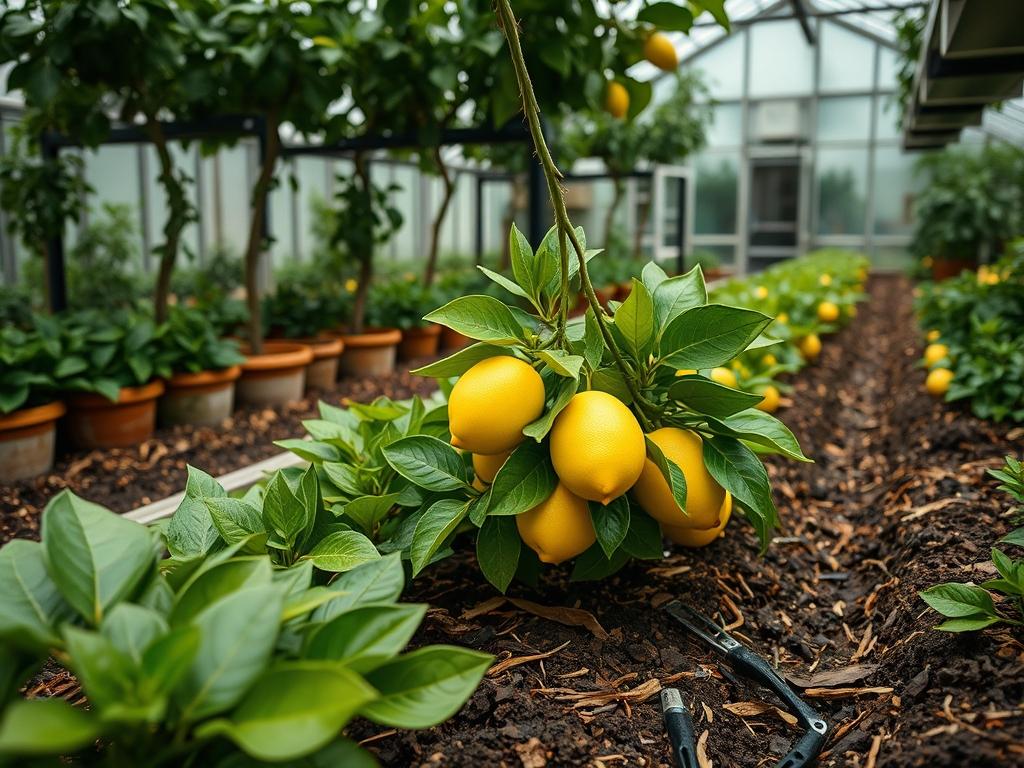
Integrating citrus trees into a professional landscape design requires a sophisticated understanding of both aesthetic architecture and horticultural necessity. While many homeowners view a lemon tree as a mere fruit producer, a senior landscape consultant views it as a structural anchor that provides evergreen density, seasonal fragrance, and a vibrant color palette. The challenge in high-end garden planning lies in balancing the utilitarian nature of harvesting fresh lemons with the visual requirements of curb appeal and outdoor functionality. Successful integration depends heavily on microclimate identification, as high-acid citrus varieties are notoriously sensitive to frost and wind. By positioning these trees as focal points within a structured environment, a designer can create a multi-sensory experience that enhances the property value while providing a bountiful harvest. Urban heat islands or reflective heat from southern-facing masonry walls can be leveraged to extend the growing season, ensuring that the fruit reaches the necessary sugar-to-acid ratio before the harvest begins.
Landscape Design Principles
In professional garden planning, the placement of citrus must adhere to the core principles of symmetry and focalization. High-acid citrus trees, such as the Eureka Lemon, possess a naturally rounded canopy that serves as an excellent midpoint for a visual axis. When designing a formal Mediterranean-style garden, placing these trees in oversized terracotta planters or within symmetrical stone masonry pits creates a sense of order and permanence. Designers often use the 15-foot rule for standard varieties to ensure canopy independence, which prevents the “hedging effect” where trees grow into one another and lose their individual architectural form.
Elevation layers are equally critical. A well-designed landscape utilizes a “tiered” approach where low-growing herbs like rosemary or thyme occupy the foreground, while citrus trees provide the mid-height structure. This layering not only improves visual depth but also masks the often leggy lower trunk of older citrus specimens. Furthermore, irrigation planning must be invisible yet highly efficient. Hidden in-line drip emitters should be installed in concentric circles around the drip line of the tree, avoiding the trunk to prevent root rot. This technical precision ensures that the energy of the plant is directed toward fruit production rather than surviving environmental stress, which is a prerequisite for consistently harvesting fresh lemons of high quality.
Plant and Material Selection
Selecting the right cultivar and supporting materials is the foundation of a low-maintenance, high-yield landscape. The following table outlines the technical requirements for common high-acid citrus varieties used in residential and commercial landscape projects.
| Plant Type | Sun Exposure | Soil Needs | Water Demand | Growth Speed | Maintenance Level |
| :— | :— | :— | :— | :— | :— |
| Eureka Lemon | Full (8+ hours) | Well-drained, pH 6.0-7.0 | Moderate | Fast | Medium |
| Meyer Lemon | Full to Partial | Sandy Loam | Consistent | Moderate | Low |
| Lisbon Lemon | Full Sun | High organic matter | High | Vigorous | High |
| Bearss Lime | Full Sun | Loamy/Neutral | Moderate | Moderate | Medium |
| Mexican Lime | Full Sun/Heat | Light/Sandy | Low once established | Moderate | Medium |
Beyond the trees themselves, material selection for the surrounding area impacts the health of the citrus. Coarse cedar mulch is preferred over fine-dyed mulches because it allows for better gas exchange in the root zone. For walkways near the harvest area, stabilized decomposed granite or flagstone with permeable joints provides a stable surface for ladders and harvest bins without compacting the soil near the sensitive lateral roots of the citrus.
Implementation Strategy
The transition from a blueprint to a thriving citrus grove requires a disciplined implementation strategy. Site preparation begins with clearing the area of all competitive turf grass, which is a common antagonist to citrus health. A soil auger should be used to test drainage; a hole 24 inches deep should drain completely within two hours. If drainage is sluggish, the landscape must be re-graded or the trees must be planted in raised masonry beds at least 18 inches above the existing grade.
When laying out the garden, the “harvesting lane” must be considered. This is a clear path of at least 4 feet in width that allows for the movement of garden carts and provides enough space for a person to reach into the canopy from all sides. Edging is another crucial component. Using heavy-gauge steel edging or poured concrete curbing prevents invasive grasses from migrating into the mulch ring. When planting, the root flare must remain visible. Burying the graft union is a frequent mistake that leads to the death of the scion. Once the tree is set, a layer of decomposed organic compost should be applied, followed by 3 inches of mulch, keeping the material at least 6 inches away from the trunk. This creates a “donut” of fertility that slowly feeds the tree as it establishes its new root system.
Common Landscaping Failures
One of the most frequent failures in citrus landscaping is the “bathtub effect.” This occurs when a planting hole is dug into heavy clay soil and backfilled with light potting mix. The water collects in the hole with nowhere to go, effectively drowning the roots. Professional installers avoid this by using the native soil for backfill and amending the entire garden bed rather than just the individual hole. Another failure is root overcrowding. While it is tempting to plant citrus close together for an immediate “full” look, this leads to poor air circulation and increased pest pressure from citrus leafminers and scale insects.
Irrigation inefficiencies also plague many designs. Overhead spray heads designed for lawns should never be used for citrus, as wet foliage encourages fungal pathogens like botrytis. Finally, soil compaction from heavy foot traffic or construction equipment can suffocate the shallow root system of a lemon tree. To mitigate this, landscape architects often specify structural soil or perforated drainage pipes beneath areas where foot traffic is unavoidable. Recognizing these potential pitfalls during the planning phase ensures that harvesting fresh lemons remains a joyful activity rather than a struggle against a declining landscape.
Seasonal Maintenance
Maintenance is a rhythmic process that follows the physiological needs of the tree. In the spring, the focus is on growth and bloom. Application of a high-nitrogen citrus fertilizer should occur just before the first flush of new leaves. This is also the time to inspect irrigation controllers to ensure they are adjusted for the increasing temperatures.
Summer maintenance involves moisture management and sun protection. In extremely hot climates, applying a whitewash or kaolin clay spray to the trunk of young trees prevents sunscald. Mulch levels should be checked and replenished to maintain soil coolness. Autumn is the primary season for harvesting fresh lemons in many regions. During this time, fertilizer should be tapered off to discourage tender new growth that could be damaged by winter frosts. Tools such as bypass pruners and long-reach fruit pickers should be sanitized with 70 percent isopropyl alcohol before use to prevent the spread of disease. Winter care is centered on protection. In marginal zones, the installation of frost blankets or incandescent outdoor lights can provide the few degrees of warmth necessary to save a crop or a young tree from a sudden freeze.
Professional Landscaping FAQ
How much space does a standard lemon tree need?
A standard lemon tree requires a diameter of at least 15 feet to allow for full canopy development and air circulation. Dwarf varieties can be spaced as close as 8 feet apart, making them ideal for smaller urban courtyards.
What is the best way to improve drainage in clay soil?
Creating a mounded planting site or a raised garden bed is the most effective solution. Ensure the mound is at least 12 inches high and composed of a mix of native soil and coarse organic matter.
How often should citrus trees be fertilized?
For maximum fruit production, apply a specialized citrus fertilizer three times per year: once in late winter, once in late spring, and once in mid-summer. Follow the package instructions based on the tree’s trunk diameter.
Can I grow lemons in large decorative pots?
Yes, Meyer Lemons and Bearss Limes thrive in containers. Use a pot that is at least 20 inches in diameter with ample drainage holes, and use a well-draining cactus or citrus potting mix.
When is the best time for harvesting fresh lemons?
Harvesting fresh lemons should occur when the fruit has reached its full color and the skin feels slightly oily to the touch. Unlike many fruits, lemons do not significantly ripen or sweeten much further once they are removed from the tree.