
Plan:
1. Introduction: Integrate sunflowers into the residential landscape. Discuss curb appeal and the transition from bloom to dry-down.
2. Landscape Design Principles (H3): Focus on verticality, layering, and functionality (access for harvesting).
3. Plant/Material Selection (H3): Include a markdown table with technical specifications.
4. Implementation Strategy (H3): Discuss grading, drainage, and layout for successful sunflower cultivation.
5. Common Failures (H3): Address technical pitfalls like compaction and wind exposure.
6. Seasonal Maintenance (H3): Provide a quarterly roadmap.
7. FAQ (H3): 5 short answers.
Constraints:
– No em dashes (— or –).
– ASCII quotes only.
– Start directly with text.
– No H1 or title.
– Bold species, tools, measurements, and materials.
– Professional, senior-level tone.
– Roughly 1,200 words.
Semantic Gardening: I will connect the concept of harvesting to the renewal of the soil and the structural integrity of the garden. Sunflowers are often messy in late summer; the guide must explain how to manage this aesthetically within a professional landscape design.
Refinement on Em Dashes: I will use semicolons or periods.
Refinement on Bolding: Essential for Mammoth Grey Stripe, hand pruners, nitrogen-rich compost, etc.
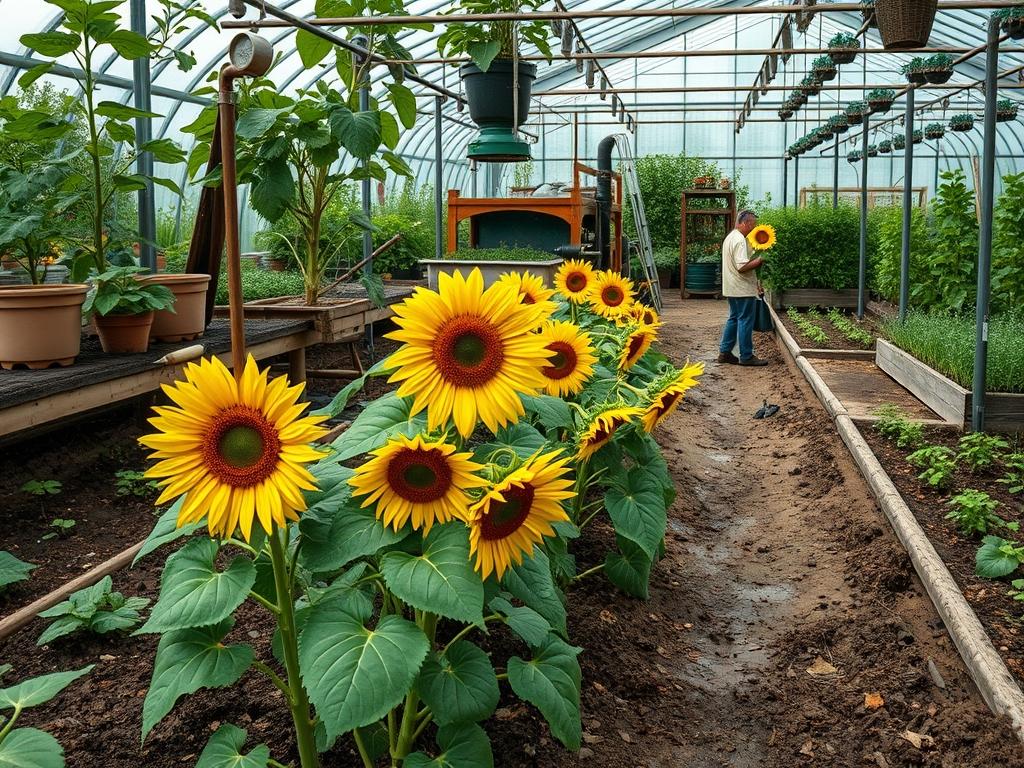
Integrating high-impact floral elements like the Helianthus annuus into a residential landscape requires a balance between architectural structure and functional utility. For many homeowners, the challenge lies in the transition between the vibrant flowering stage and the utilitarian phase of drying. A well-planned garden does not just focus on the peak bloom; it accounts for the entire lifecycle of the plant. From a curb appeal perspective, a sunflower that is left to wither without a design strategy can appear neglected. However, when integrated into a professional landscape plan, these giants provide essential verticality, texture, and a sense of seasonal rhythm. Managing the process of Harvesting Garden Sunflowers begins at the design phase; long before the first seed is pressed into the soil. We must consider the environmental stressors and the spatial requirements that allow these plants to thrive while remaining an asset to the property outdoor environment.
The climate of the specific micro-site plays a pivotal role in how these plants perform. In regions with high wind exposure, the structural integrity of the stalks becomes a primary engineering concern. Without proper placement or windbreaks provided by retaining walls or denser shrubbery, the sunflowers risk lodging, or falling over, which ruins the visual symmetry of the garden. Furthermore, the drying phase requires a low-humidity environment to prevent mold. As landscape consultants, we look at the drainage patterns of the site. Excess moisture at the root zone during the end of the growth cycle can lead to premature decay, making the harvest less productive. Professional garden planning ensures that the transition from a lush, golden focal point to a tan, seed-heavy architectural element is intentional rather than accidental.
Landscape Design Principles
Successful sunflower integration relies on the principle of elevation layering. In a professional layout, we rarely place sunflowers in the foreground. Their height, which can reach between 8 feet and 12 feet, necessitates their placement at the back of a border or as a temporary screen. This positioning creates a backdrop that highlights shorter perennials in the middle ground while providing the vertical interest necessary to break up flat horizons. Symmetry can be achieved by flanking a gateway or a formal walkway with matched cultivars, creating an intentional entrance that draws the eye upward.
Focal points are another critical consideration. A mass planting of Mammoth Grey Stripe sunflowers can serve as a seasonal anchor for a large backyard. However, the designer must plan for the “empty” space that occurs after the harvest. We recommend interplanting with late-season grasses or evergreen shrubs that maintain the garden structure once the sunflower stalks are removed. This ensures the visual balance of the site remains consistent throughout the year. Access for maintenance and harvesting is often overlooked. We design walkways with a minimum width of 36 inches to allow easy passage for a wheelbarrow or garden cart when it is time to transport heavy flower heads back to the curing area.
Irrigation planning for these large-scale plants requires a shift from overhead spraying to deep-root saturation. Using a soaker hose or a drip irrigation system ensures that the moisture reaches the deep taproots without wetting the foliage. This architectural approach to watering reduces the risk of fungal diseases like powdery mildew, which can compromise the aesthetics of the landscape. When designing the layout, we ensure that the irrigation zones are grouped by water demand. Sunflowers have a high water demand during their rapid growth phase, but this needs to be tapered off as they reach maturity to facilitate the drying process.
Plant and Material Selection
Selecting the right variety is as much about the aesthetic goals as it is about the harvest yield. Below is a selection of cultivars and materials frequently used in high-end residential landscaping.
| Plant Type | Sun Exposure | Soil Needs | Water Demand | Growth Speed | Maintenance Level |
| :— | :— | :— | :— | :— | :— |
| Mammoth Grey Stripe | Full Sun | Well-drained loam | High | Aggressive | Moderate |
| Autumn Beauty | Full Sun | Sandy loam | Moderate | Moderate | Low |
| Lemon Queen | Full Sun/Partial | Rich organic | Moderate | Moderate | Low |
| Titan | Full Sun | Deep fertile | Very High | Aggressive | High |
| Teddy Bear | Full Sun | Average garden | Low | Slow | Low |
For the structural implementation, we utilize specific materials to support the heavy biomass of the plants. Bamboo stakes, twine, and burlap are essential for securing the stalks during the late summer storms. A 2-inch layer of hardwood mulch is recommended to regulate soil temperature and prevent competition from weeds, which can sap the nutrients needed for large seed production.
Implementation Strategy
The implementation of a sunflower-centric garden starts with grading and soil preparation. Proper grading ensures that water moves away from the foundation of the home and toward the planting beds without pooling. If the site has heavy clay soil, we incorporate organic compost and expanded shale to improve the drainage. This architectural modification is vital for sunflowers, as they require oxygenated root zones to support their massive stalks. Once the site is graded, we define the edges of the beds using steel edging or natural stone to create a clean, professional finish that separates the planting area from the lawn.
Spacing is the next critical step. For Harvesting Garden Sunflowers, each plant should be spaced at least 24 inches apart. This allows for adequate airflow and prevents the plants from competing for light, which can lead to spindly, weak stalks. During the planting phase, we suggest a staggered layout rather than straight rows to create a more naturalized, lush appearance. As the plants reach 3 feet in height, we apply a balanced fertilizer with a 10-10-10 NPK ratio to support the development of the flower head.
When the back of the sunflower head turns from green to yellow, and then eventually to brown, the harvesting process begins. We utilize bypass pruners or a serrated garden knife to cut the heads, leaving about 12 inches of stem attached. This stem serves as a handle for hanging the heads in a cool, dry area. To protect the seeds from birds and squirrels during the final drying phase in the field, we often recommend wrapping the heads in cheesecloth or breathable mesh bags. This ensures that the yield is preserved for the homeowner.
Common Landscaping Failures
One of the most frequent mistakes in sunflower landscaping is poor drainage. While these plants enjoy significant water, they cannot tolerate standing water. Soil compaction, often caused by heavy foot traffic or construction equipment, prevents the taproot from penetrating deep into the earth. This leads to stunted growth and plants that are easily toppled by wind. To fix this, we recommend aerating the soil to a depth of 12 inches before planting.
Another common failure is improper spacing and root overcrowding. When sunflowers are planted too closely together, they create a dense canopy that traps humidity. This environment is an ideal breeding ground for rust and botrytis. As landscape consultants, we stress the importance of following the 24-inch spacing rule. Furthermore, many enthusiasts forget to account for the weight of the ripening heads. A large Mammoth head can weigh several pounds; if the plant is not properly supported with heavy-duty stakes, the stalk will snap under its own weight before the harvest is ready.
Irrigation inefficiencies also plague many garden designs. Watering the leaves rather than the base of the plant encourages foliar diseases. We always suggest installing a dedicated drip line for large sunflower patches. Lastly, neglecting the soil after the harvest is a significant failure. Sunflowers are heavy feeders that deplete the soil of nitrogen and potassium. A professional landscape plan includes a strategy for soil remediation, such as adding manure or a cover crop like clover to restore nutrients for the following season.
Seasonal Maintenance
To keep the garden looking professional and to maximize the harvest, a seasonal approach is required.
Spring: This is the time for site preparation. Apply 3 inches of compost and till the soil to a depth of 10 inches. Plant seeds after the last frost once the soil temperature reaches 60 degrees Fahrenheit. Monitor for early-season pests like slugs and snails using diatomaceous earth.
Summer: Focus on structural support and hydration. As the sunflowers grow, tie them to supports every 2 feet. Increase water delivery during heatwaves. By late summer, start monitoring the heads for seed development. This is when you should apply protection bags to the ripening blooms to ensure you are successful in Harvesting Garden Sunflowers.
Autumn: This is the primary harvest season. Cut the heads when the florets in the center of the disk are easily rubbed away and the seeds are plump. After the harvest, remove the stalks and roots to prevent overwintering pests. Grinding the stalks for mulch is an excellent way to recycle organic matter back into the landscape.
Winter: Focus on hardscape maintenance and soil health. Repair any damaged fences or trellises. Order new seeds and plan the rotation for next year. Applying a layer of leaf mold over the dormant beds will protect the soil structure from erosion during winter rains and snow.
Professional Landscaping FAQ
How do I know when to begin Harvesting Garden Sunflowers?
Watch for the bracts on the back of the head to turn brown and the petals to fall off. The seeds should be plump and the back of the flower head should feel dry and woody rather than fleshy.
What is the best way to prevent birds from eating my harvest?
Cover the sunflower heads with cheesecloth or fine mesh bags once the petals begin to wilt. Secure the bags with garden twine. This allows air to circulate while creating a physical barrier that squirrels and birds cannot easily penetrate.
Can I dry the sunflower heads directly on the stalk?
Yes; however, this increases the risk of mold in humid climates. In professional landscapes, we prefer cutting the heads with 12 inches of stem and hanging them upside down in a well-ventilated garage or shed to ensure even drying.
Which sunflower variety is best for a small residential garden?
The Teddy Bear variety is excellent for smaller spaces. It only grows to about 3 feet tall and features bushy, pom-pom like blooms. It provides the aesthetic benefit of sunflowers without the structural demands of the giant varieties.
How do I prepare the soil for the next planting season?
Sunflowers are heavy nutrient consumers. After removing the stalks, incorporate organic matter and a slow-release fertilizer. Consider a nitrogen-fixing cover crop during the winter to replenish the soil vitality for the following spring planting cycle.