
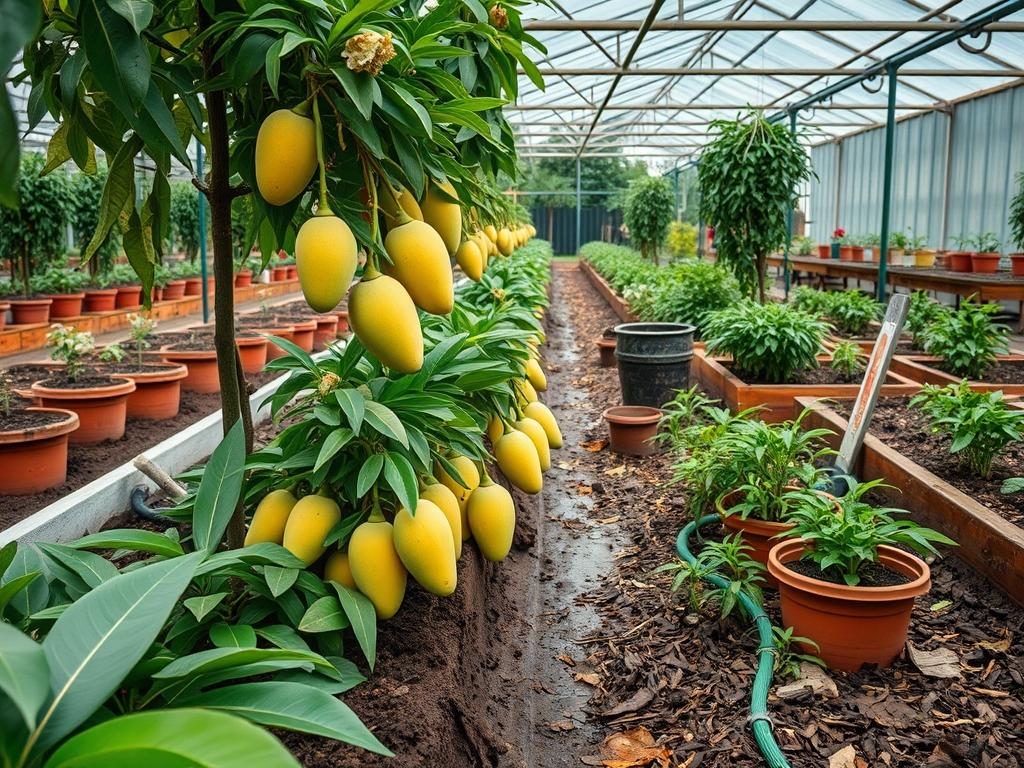
Integrating productive fruit trees into a residential estate requires a sophisticated balance between horticultural necessity and aesthetic elegance. The challenge for many homeowners in sub-tropical and tropical climates involves more than just planting a tree; it requires the creation of a microclimate that maximizes fruit quality while enhancing the overall curb appeal of the property. When the primary objective involves picking fresh mangoes with peak sugar content, every design choice must support solar access, air circulation, and nutrient density. A poorly placed tree not only fails to produce sweet fruit but can also disrupt the visual flow of the yard, create drainage issues near foundations, and introduce messy leaf litter to high-traffic entertainment areas.
Successful landscape design treats the fruit-bearing tree as a functional specimen that serves as a focal point within the outdoor environment. Careful consideration of the property’s topography and prevailing wind patterns ensures that the delicate blossoms of the Mango Tree are protected during the spring, while the developing fruit receives the unobstructed sunlight required for brix development. By aligning the orchard elements with the hardscaping, such as Natural Stone Pavers or Flagstone Walkways, a designer can create a seamless transition from the kitchen to the garden. This functional integration ensures that the act of harvesting is an effortless part of home life rather than a chore performed in a neglected corner of the yard.
Landscape Design Principles
Symmetry and focal points are the foundations of a professional garden layout. A large specimen like the Mango Tree should be positioned as a primary anchor, often at the end of a visual axis or centered within a circular lawn. If the property is smaller, using semi-dwarf varieties allows for a more compact footprint while maintaining the same architectural impact. Elevation layers are equally critical. By planting in tiers, you can surround the tall primary canopy with mid-sized shrubs and low-profile ground covers. This creates a lush, tiered effect that hides the bare trunk of the tree and softens the transition to the turf.
Irrigation planning is perhaps the most technical aspect of the design principle phase. For high-sugar fruit production, the landscape must allow for controlled water stress during the late winter months. This is achieved by separating the fruit zone from the lawn irrigation system using a dedicated Drip Irrigation circuit. This allows the architect to provide deep, infrequent watering that encourages deep root growth without over-hydrating the tree during the critical period when sugars are concentrating in the fruit. Visual balance is maintained through the use of Steel Edging and clean lines that define the mulched beds, preventing the sprawling nature of a tropical garden from appearing unkempt or overgrown.
Plant and Material Selection
The following selection of plants and materials is curated to support a high-yield tropical landscape while maintaining a professional aesthetic.
| Plant Type | Sun Exposure | Soil Needs | Water Demand | Growth Speed | Maintenance Level |
| :— | :— | :— | :— | :— | :— |
| Mango Tree (Mangifera indica) | Full Sun | Well-Drained | Moderate to Low | Moderate | High |
| Lemongrass (Cymbopogon) | Full Sun | Loamy | Medium | Fast | Low |
| Sweet Potato Vine | Full to Partial | Rich Soil | High | Very Fast | Medium |
| Star Jasmine | Full to Partial | Adaptable | Medium | Moderate | Low |
| Croton (Codiaeum variegatum) | Partial Sun | Moist/Rich | Medium | Slow | Medium |
| Pine Bark Mulch | N/A | Acidic Lean | N/A | N/A | Replace Yearly |
| Decomposed Granite | N/A | N/A | High Porosity | N/A | Low |
Implementation Strategy
The transition from a design on paper to a physical landscape begins with grading and drainage. Before any holes are dug, the site must be surveyed to ensure that water moves away from the tree’s root flare and the home’s foundation. Using a Laser Level or a simple string level, the ground should be graded at a two percent slope. If the soil is heavy clay, a French Drain may be necessary to prevent soggy roots. Once the grading is complete, the locations for the Hardscaping elements, including Retaining Walls and Walking Paths, should be marked with Landscaping Spray Paint.
Once the infrastructure is set, the planting process begins with the large specimens. Dig a hole twice as wide as the root ball of the Mango Tree but no deeper than the container. The top of the root ball should be slightly above the surrounding soil grade to allow for settling. After the trees are in place, install the Irrigation Tubing and test for leaks. The next step is the application of Organic Compost followed by a thick layer of Hardwood Mulch. A depth of 3 to 4 inches is ideal for moisture retention and weed suppression, but the mulch must be kept at least 6 inches away from the trunk to prevent fungal infections. Finally, the installation of Metal Edging provides a crisp border between the mulch beds and the Bermuda Grass or St. Augustine lawn, completing the professional look.
Common Landscaping Failures
The most frequent error in productive landscaping is improper drainage. Many owners plant fruit trees in low-lying areas where water collects after a rainstorm. This leads to anaerobic soil conditions and root rot, which ultimately prevents the tree from transporting the nutrients necessary for sweet fruit. Another common failure is root overcrowding. When trees are planted too close to Concrete Driveways or Retaining Walls, the physical pressure of the roots can crack the masonry, while the lack of soil volume stunts the tree’s growth.
Improper spacing and soil compaction also plague many backyard orchards. Using a Skid Steer or heavy machinery in the planting area can crush the soil structure, making it difficult for oxygen to reach the roots. Architects must also warn against “mulch volcanoes,” which is the practice of piling mulch high against the trunk of a tree. This creates a moist environment that invites boring insects and rot. Lastly, ignoring the irrigation requirements of the fruiting season is a critical mistake. If a tree is over-watered while the fruit is ripening, the internal sugars will be diluted; this leads to a bland harvest despite the tree looking visually healthy.
Seasonal Maintenance
Managing a landscape for both beauty and harvest requires a seasonal calendar of tasks. During the Spring, the focus is on fertilization and monitoring for pests like aphids or scales. Use a Poly-Sprayer to apply organic neem oil if necessary. As the weather warms into Summer, the priority shifts to irrigation management and light pruning. Remove any “water sprouts” or suckers that grow vertically from the main branches, as these sap energy away from the developing mangoes. This is also the primary season for picking fresh mangoes, which should be done with a Fruit Picker Pole to avoid damaging the branches.
In the Autumn, after the harvest is complete, it is time for structural pruning. Use Bypass Loppers to thin out the interior of the canopy, allowing light to reach the lower branches for the following year. This is also the time to refresh the Mulch and check the Irrigation Emitters for clogs. During the Winter, the landscape enters a period of rest. In cooler regions within the sub-tropical belt, you should be prepared with Frost Blankets to protect the sensitive foliage of the Mango Tree. This dormant period is also the best time to inspect the Hardscaping for any shifts or cracks that may need repair before the spring growth flush begins.
Professional Landscaping FAQ
How does my landscape layout affect the sweetness of my fruit?
Maximum sun exposure is the primary driver of sugar production. By placing trees in an open, southern-facing location with reflective Light Colored Gravel nearby, you increase the heat and light intensity required for the fruit to develop its peak flavor profile.
What is the best way to handle heavy fruit loads in a design?
Use Structural Pruning to create strong, scaffold-like branches. In the landscape, ensure there is ample space around the tree for Timber Propping or support stakes if the branches begin to sag under the weight of the ripening fruit.
Can I use synthetic fertilizers in my mango orchard?
While synthetic options provide a quick boost, a professional landscape relies on Slow-Release Organic Fertilizers and high-quality Leaf Mold. This builds long-term soil health and creates a more complex flavor in the fruit compared to the rapid, watery growth of synthetics.
Is it necessary to include a retaining wall for my trees?
If your property has a significant slope, a Natural Stone Retaining Wall can create a flat planting terrace. This prevents nutrient runoff and ensures that irrigation water soaks deeply into the root zone instead of washing away toward the street.
How do I prevent my mango tree from outgrowing its space?
Correct variety selection is vital. Always choose a Dwarf or Semi-Dwarf Cultivar for residential designs. Additionally, annual “tipping” with Hand Pruners helps maintain a compact, rounded canopy that remains an appropriate scale for the rest of your garden architecture.