
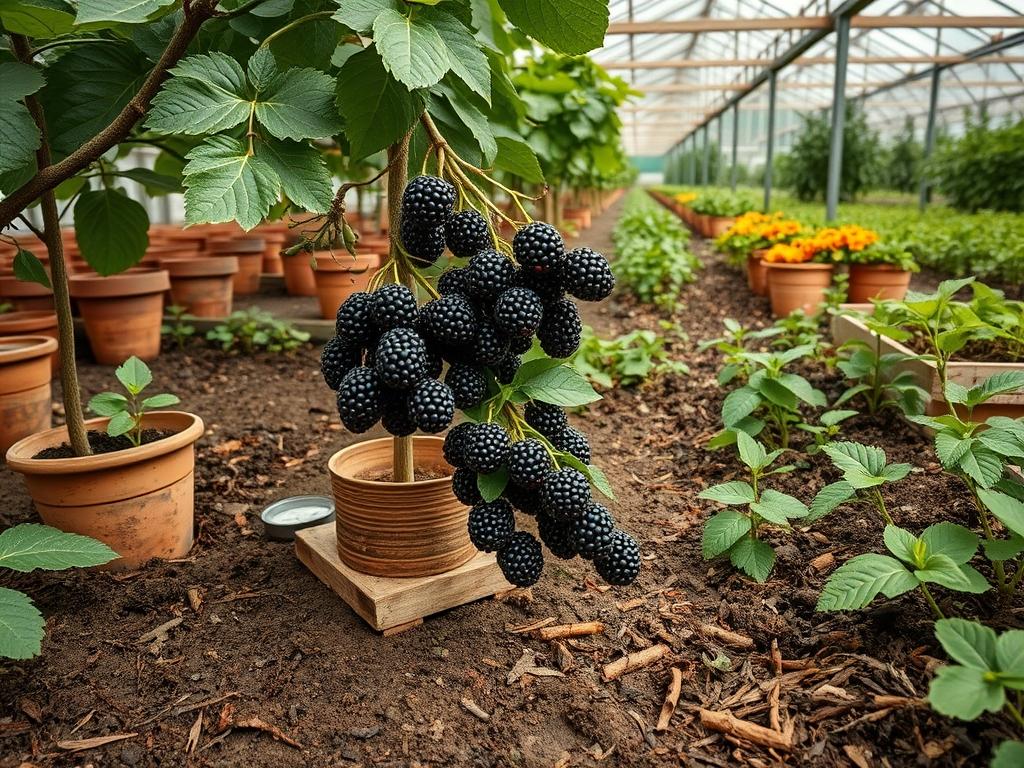
Integrating heavy fruiting species like the mulberry tree into a modern residential landscape requires a careful balance between aesthetic appeal and functional maintenance. While the Morus rubra and Morus alba varieties offer lush, dense canopies and significant shade, their propensity for dropping fruit creates a unique set of challenges for the landscape architect. If the site is not planned with the harvest in mind, the succulent berries can quickly mar the appearance of flagstone walkways, concrete driveways, and decorative pavers. Picking ripe mulberries is a rewarding experience, but without a strategic approach to the outdoor environment, the process often results in stained hands and ruined hardscaping. A successful garden plan treats the harvest as a scheduled maintenance event, utilizing specific tools and landscape features to streamline the collection of fruit while preserving the integrity of the surrounding design.
When we approach a site with existing or planned mulberry trees, we must consider the spatial relationship between the tree and high traffic zones. The goal of a professional landscape is to create a seamless transition between nature and utility. By placing the tree in a designated orchard zone or a far corner of the property, we reduce the risk of foot traffic tracking purple juices into the home. However, for those who wish to feature the tree as a centerpiece, the ground cover and drainage solutions beneath the canopy must be specialized. Utilizing dark hardwood mulch or decomposed granite can mask fallen fruit, whereas light colored gravel or sand would highlight the mess. Professional garden planning ensures that the act of picking ripe mulberries is integrated into the lifestyle of the inhabitants without becoming a seasonal burden.
Landscape Design Principles
Symmetry and focal points govern the placement of large deciduous trees. A lone mulberry can serve as a stunning focal point, but its placement must adhere to the rule of thirds to provide visual interest without overwhelming the lawn. We often recommend using retaining walls to create a raised bed for the tree. This elevation serves two purposes: it improves the drainage for the root system and brings the lower branches closer to eye level. When branches are easier to reach, the picker does not have to climb or use ladders, significantly reducing the physical strain of the harvest.
Visual balance is achieved by surrounding the tree with companion plants that can withstand the shade of a maturing canopy. We avoid placing delicate perennials directly under the drip line. Instead, we opt for rugged, low maintenance shrubs that can be easily cleaned or hosed down. Irrigation planning is also critical. A drip irrigation system should be installed to provide deep watering to the root ball, which prevents the tree from dropping fruit prematurely due to water stress. Walkways should be positioned at least 10 feet away from the canopy edge to ensure that falling berries do not create a slipping hazard or a permanent stain on expensive stone surfaces.
Plant and Material Selection
Selecting the right variety and supporting materials is the foundation of a clean harvest. Use the following table to understand the requirements for common mulberry types and their landscape companions.
| Plant Type | Sun Exposure | Soil Needs | Water Demand | Growth Speed | Maintenance Level |
| :— | :— | :— | :— | :— | :— |
| Morus rubra | Full Sun | Loamy, Well-drained | Moderate | Fast | Medium |
| Morus alba | Full Sun/Part Shade | Adaptable | Low to Moderate | Very Fast | High |
| Creeping Juniper | Full Sun | Sandy, Dry | Low | Slow | Low |
| Dark Hardwood Mulch | N/A | Weed Suppressant | N/A | N/A | Annual Refill |
| Fescue Turf | Part Shade | Nitrogen Rich | High | Moderate | Weekly Mowing |
| Dwarf Mulberry | Full Sun | Potting Mix/Loam | Moderate | Medium | Low |
Implementation Strategy
A successful implementation starts with grading. The area beneath the mulberry tree should have a slight slope, roughly 2 percent, to ensure that heavy rains do not cause water to pool around the trunk. Poor drainage leads to root rot and can cause the fruit to become waterlogged and lack flavor. Once the grading is complete, we install steel edging or heavy duty plastic benders to create a clear border between the mulched harvest zone and the surrounding lawn.
To address the challenge of picking ripe mulberries without staining your hands, the landscape architect integrates a “catch and collect” system. We suggest installing a series of sturdy hooks on the interior branches or using a pvc pipe framework that can support heavy duty tarps or fine mesh netting during the fruiting season. Instead of picking individual berries with your fingers, which leads to immediate skin staining, the strategy involves laying the tarps on the ground and gently shaking the branches with a telescoping pole. The ripe fruit falls naturally onto the clean fabric. For the few berries that remain, using latex gloves or silicone tipped tongs allows the harvester to pluck the fruit without direct contact. This method preserves the fruit’s structural integrity and keeps the gardener’s hands perfectly clean.
Common Landscaping Failures
One of the most frequent errors in garden planning is the failure to account for the mature size of the mulberry tree. These trees can reach heights of 30 feet to 50 feet with a matching spread. When planted too close to a house, the roots can interfere with septic lines or lift concrete slabs. Furthermore, the shade can become so dense that it kills off the turf grass underneath, leading to a mud pit during the harvest season. Soil compaction is another issue; frequent foot traffic around the tree during picking can compress the soil, depriving the roots of oxygen.
Irrigation inefficiencies often lead to poor fruit quality. If the sprinkler heads are aimed directly at the trunk, the excess moisture can cause fungal issues. We recommend inline drip tubing buried 3 inches beneath the mulch layer. This delivers water directly to the root zone while keeping the surface dry. Additionally, failure to prune the tree correctly results in a “weeping” habit that drags on the ground. This makes picking ripe mulberries difficult and encourages pests like ants and rodents to feast on the low hanging fruit.
Seasonal Maintenance
Spring maintenance focuses on preparation. As the buds begin to break, we apply a balanced 10-10-10 fertilizer to the base of the tree. This is also the time to inspect the irrigation system for any leaks or clogs. Pruning should be finished before the sap begins to flow heavily. We focus on removing any deadwood or crossing branches to improve airflow, which is essential for preventing powdery mildew during the humid months.
Summer is the peak of activity. This is when the “no stain” harvest protocols are put into action. Ensure the ground tarps are cleaned after every use to prevent mold. If any berries fall onto the hardscaping, they should be pressure washed immediately using a neutral pH stone cleaner to prevent the juice from etching the surface. In autumn, once the harvest is complete and the leaves begin to drop, it is vital to remove all debris from the area. Leaving fallen fruit to rot on the ground attracts unwanted wildlife and can lead to a surge in volunteer seedlings next spring. Winter is the time for structural pruning and replenishing the mulch layer to a depth of 4 inches to protect the roots from freezing temperatures.
Professional Landscaping FAQ
How can I prevent mulberry stains on my new pool deck?
The most effective method is physical barriers. Use temporary plastic sheeting during the three week fruiting window. Additionally, treating your pool deck with a high quality penetrative sealer will prevent the berry juice from soaking into the porous stone or concrete.
Is there a way to stop the tree from fruiting?
You can apply a growth regulator containing ethephon during the flowering stage. This chemical signal causes the tree to drop its blossoms before they develop into fruit. However, this must be timed perfectly by a licensed professional to be effective.
What is the best ground cover to hide fallen berries?
A thick layer of black dyed wood mulch or dark slate chips is ideal. These materials provide a high contrast camouflage that hides the dark purple juice, maintaining your curb appeal even during the height of the mulberry season.
Can I grow a mulberry tree in a large planter?
Yes, dwarf mulberry varieties like Gerardi Dwarf thrive in 20 gallon containers. This allows you to control the environment, manage the height for easier picking, and move the tree away from sensitive areas like outdoor kitchens during the harvest.
How do I clean my harvesting tools after picking?
To remove stubborn stains from pruners, tongs, or tarps, use a solution of lemon juice and white vinegar. The acid breaks down the anthocyanins in the berry juice, making it easy to scrub away with a stiff nylon brush.