
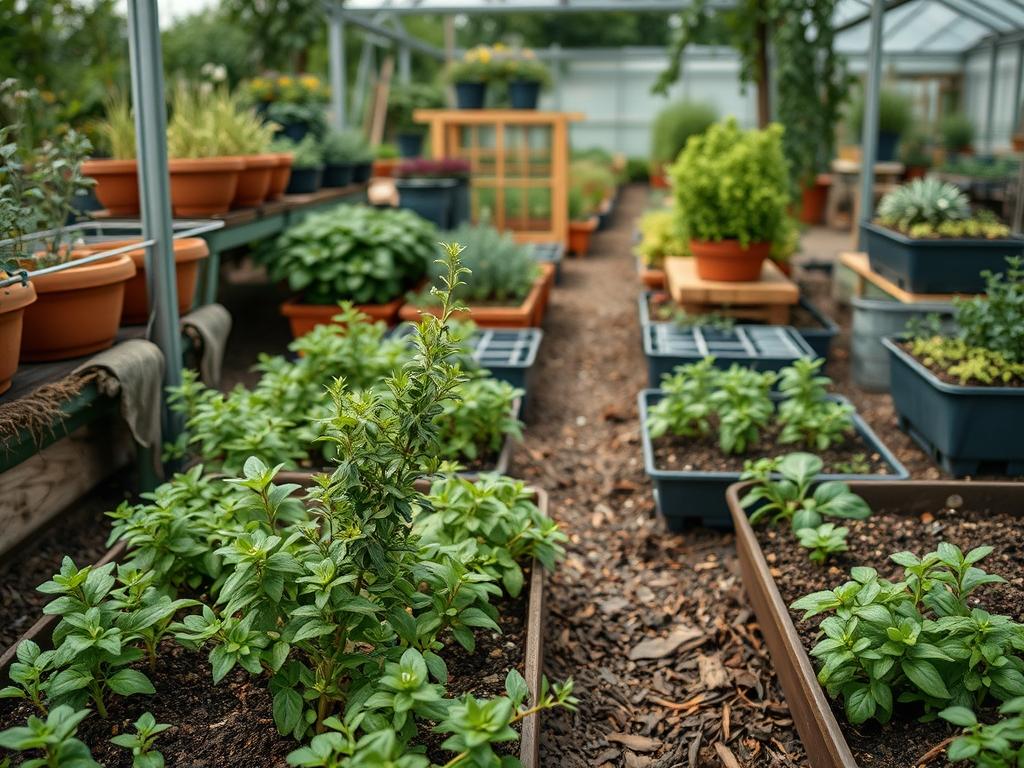
Integrating Origanum vulgare into a high performance landscape design requires a deep understanding of Mediterranean microclimates and soil mechanics. While many homeowners view oregano as a simple culinary afterthought, a senior landscape architect sees it as a versatile, drought tolerant groundcover that offers both structural utility and sensory rewards. The secret to maximizing the essential oils within the plant starts long before the act of Picking Fresh Oregano occurs. It begins with the strategic positioning of the plant within the hardscape, ensuring that the environment stresses the herb just enough to concentrate its volatile compounds, such as carvacrol and thymol, without compromising the plant’s structural integrity.
In many contemporary outdoor environments, oregano serves as a soft, textured transition between rigid Granite Pavers and lush turf zones. From a curb appeal perspective, a well established oregano border provides a year round structural element that releases a pleasant aroma when brushed against by visitors. Achieving this requires careful consideration of the site’s topography. Oregano thrives in poor, rocky soils where drainage is absolute; placing it in a low lying area with heavy clay will lead to root rot and a significant decline in oil potency. To maximize the harvest, the architect must design a space that mimics the arid, sun drenched hillsides of the Mediterranean, utilizing Elevation and Subsurface Drainage to control moisture levels.
Landscape Design Principles
Successful garden planning involving aromatic herbs relies on the core principles of symmetry and focal points. When designing a herb centric landscape, we often use oregano as a “filler” or “spiller” in a “thriller, filler, spiller” arrangement. In raised beds constructed from Rot Resistant Cedar or Natural Fieldstone, oregano can be planted along the perimeter. This allows the woody stems to cascade over the edges, softening the hard lines of the masonry and creating a tiered visual effect. Symmetry can be achieved by flanking a central stone walkway with mirrored beds of Golden Oregano, which provides a bright chartreuse pop against darker foliage.
Elevation layers are equally critical. By grading the garden to include slight mounds or Berms, you create a natural runoff path that prevents the roots from sitting in stagnant water. This is essential for oil production, as the plant increases its chemical defenses (the essential oils) when it is forced to adapt to well drained, lean environments. Furthermore, the selection of materials for walkways plays a functional role in the plant’s health. Using Permeable Pavers or Pea Gravel near the oregano beds allows for better gas exchange in the soil and prevents the compaction often caused by traditional concrete.
Plant and Material Selection
| Plant Type | Sun Exposure | Soil Needs | Water Demand | Growth Speed | Maintenance Level |
| :— | :— | :— | :— | :— | :— |
| Greek Oregano | Full Sun (6+ hours) | Sandy, Well-Drained | Low (Drought Tolerant) | Fast | Low/Medium |
| Golden Oregano | Partial to Full Sun | Loamy, Well-Drained | Moderate | Moderate | Moderate |
| Syrian Oregano | Full Sun | Rocky, Alkaline | Very Low | Slow | Low |
| Italian Oregano | Full Sun | Standard Garden Soil | Moderate | Fast | Low |
| Crushed Basalt | N/A (Mulch) | Inorganic Layer | N/A | N/A | Low |
| Coarse Sand | N/A (Amendment) | Drainage Improver | N/A | N/A | N/A |
Implementation Strategy
The implementation of a professional grade garden layout begins with precise grading and soil preparation. To ensure the best results when Picking Fresh Oregano, the soil must be tested for its pH level; a range between 6.5 and 7.0 is ideal. If the site consists of heavy clay, the builder should excavate at least 12 Inches of soil and backfill with a custom mix of Coarse Sand, Perlite, and native topsoil. This creates a high porosity environment that encourages deep root penetration and prevents surface pooling.
Once the grade is established, the installation of Landscape Edging is necessary to prevent the oregano from encroaching into turf areas or gravel paths. Use Powder Coated Steel Edging for a clean, modern look. When planting, space the individuals approximately 18 Inches apart to allow for airflow, which is critical in preventing powdery mildew. After the herbs are in the ground, apply a 2 Inch layer of Inorganic Mulch, such as Lava Rock or River Pebbles. Avoid organic wood mulches that retain too much moisture near the crown of the herb, as this can lead to crown rot and dilute the quality of the essential oils. Finally, integrate a Drip Irrigation System with emitters placed at the base of the plant to keep the foliage dry during watering cycles.
Common Landscaping Failures
The most frequent mistake in herb landscaping is over-irrigation. Designing a system that treats oregano the same as a hydrangea will result in a plant with high biomass but very little scent or flavor. When the soil remains too wet, the plant does not need to produce the protective oils that we value. Another common failure is root overcrowding. Oregano is a vigorous grower; if the landscape plan does not account for its spread, it will quickly choke out less aggressive neighbors, leading to a messy, unkempt appearance that detracts from curb appeal.
Soil compaction is another silent killer in the garden. If a landscape designer places oregano adjacent to a high traffic area without a clear walkway, foot traffic will compress the soil and cut off oxygen to the roots. This leads to stunted growth and yellowing leaves. Additionally, a failure to understand the impact of nitrogen can be detrimental. High nitrogen fertilizers encourage rapid, succulent growth that is attractive to pests but low in essential oils. A professional landscape should rely on a slow release, low nitrogen amendment or simply a light dressing of Finished Compost in the early spring.
Seasonal Maintenance
Seasonal management is the key to a long lived and productive landscape. In the spring, once the threat of frost has passed, use Bypass Pruners to cut back the dead woody stems from the previous year. This stimulates new, tender growth that is ideal for harvesting. As the summer heat intensifies, monitor the plant for flowering. If your goal is Picking Fresh Oregano for the highest oil content, you must harvest the stems just as the flower buds begin to form but before they actually open. This is when the concentration of carvacrol is at its peak.
In the autumn, reduce irrigation significantly. This allows the plant to naturally harden off in preparation for dormancy. For those in colder climates (Zone 5 and below), a light covering of Evergreen Boughs can provide winter protection without trapping the excessive moisture that a layer of fallen leaves would. During the winter months, the landscape architect should focus on the “bones” of the garden, ensuring that the Hardscape elements like Retaining Walls and Stone Steppers are stable and ready for the spring thaw.
Professional Landscaping FAQ
How does soil drainage affect the quality of oregano?
Excellent drainage forces the plant to concentrate its essential oils as a survival mechanism. Waterlogged soil dilutes these compounds, resulting in a bland herb. Utilize Crushed Stone or Sand to increase the drainage capacity of your planting beds significantly.
Can oregano be used as a primary groundcover?
Yes, certain varieties like Creeping Oregano are excellent for filling gaps between Flagstone Steppers. It handles light foot traffic well and creates a fragrant, green carpet that prevents soil erosion while offering a semi-evergreen appearance in many temperate climates.
What is the best hardscape material to pair with oregano?
Weathered Limestone or Travertine are ideal. These stones reflect heat back onto the plant, mimicking the Mediterranean sun. This extra heat helps in the development of the essential oils that are so vital when you are Picking Fresh Oregano.
How often should I divide my oregano plants?
To maintain a clean architectural aesthetic, divide your oregano every 3 to 4 Years. This prevents the center of the plant from becoming woody and bare, which can look unsightly in a formal landscape or a well manicured garden.
What is the biggest threat to oregano in the landscape?
Excessive moisture and poor airflow are the primary threats. Ensure your garden design includes adequate spacing and uses Inorganic Mulch to keep the base of the plant dry. Avoid overhead watering to prevent fungal diseases from affecting the foliage.