
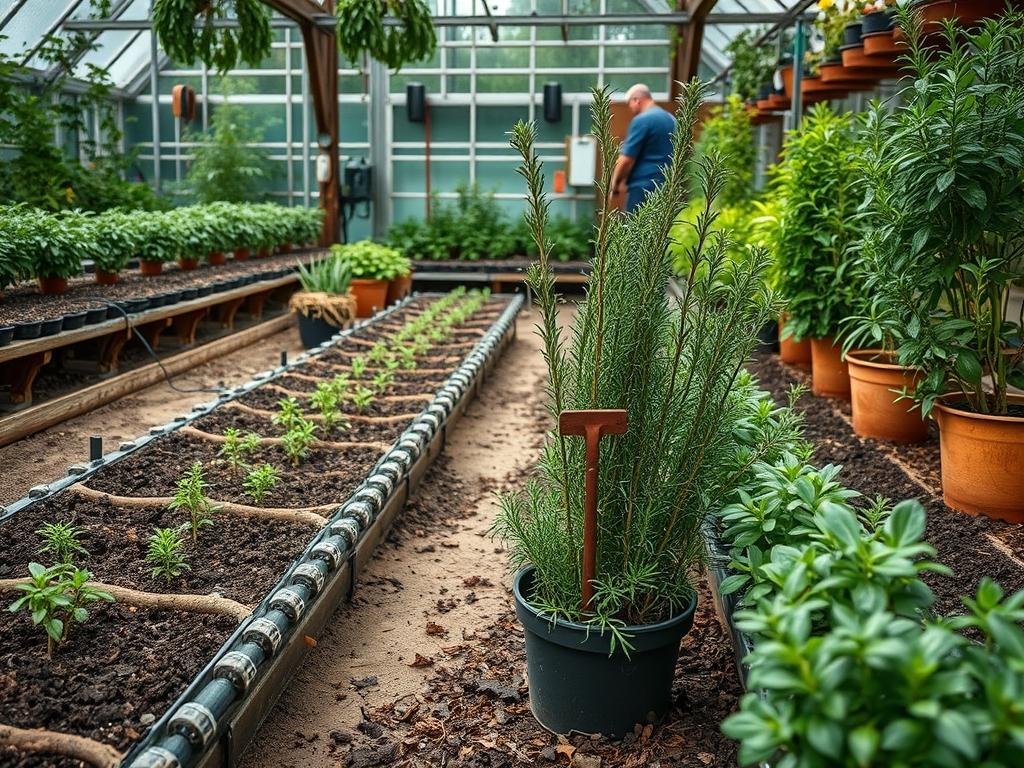
Incorporating Rosmarinus officinalis into a professional landscape design requires a delicate balance between aesthetic structural goals and the practical needs of a living, edible plant. When we approach garden planning from an architectural perspective, rosemary is valued for its evergreen texture, its ability to thrive in poor soils, and its versatile role as both a groundcover and a low hedge. However, the primary challenge for many property owners lies in the transition from viewing the plant as a decorative element to utilizing it as a culinary resource. Picking fresh rosemary is not merely a task of harvesting; it is an act of pruning that influences the overall health, shape, and longevity of the landscape feature. If the harvesting process is haphazard, it can lead to leggy growth, exposed woody stems, and a significant loss in curb appeal. A well-maintained rosemary bush should look like a deliberate part of the softscape, providing a lush, green backdrop or a tidy border that enhances the outdoor living experience.
The climate serves as the most critical variable in this equation. In Mediterranean or arid environments, rosemary thrives with minimal intervention, often reaching heights of 4 feet or more depending on the cultivar. In cooler, more humid regions, the plant requires strategic placement to avoid root rot and fungal pathogens. By integrating these plants into a broader master plan that considers drainage, irrigation, and sun exposure, we create an environment where the bush remains resilient even after heavy harvesting. The goal is to treat every snip of the culinary herb as a tactical pruning cut that encourages denser foliage and a more robust root system.
Landscape Design Principles
When designing a landscape that features rosemary, we must prioritize symmetry and focal points. A large, upright variety like Tuscan Blue can serve as an excellent vertical accent at the corner of a flagstone walkway, while prostrate varieties like Irene provide a cascading effect over limestone retaining walls. These elevation layers are essential for creating visual depth. We often use rosemary to soften the harsh lines of hardscaping or to define the transition between functional outdoor kitchens and ornamental garden beds.
Visual balance is achieved through repetitive planting patterns. By spacing rosemary bushes exactly 36 inches apart in a linear hedge, we create an organized, professional appearance that guides the eye toward a primary focal point, such as a water feature or an outdoor fireplace. Irrigation planning must be meticulous; rosemary does not tolerate overhead watering, which promotes foliar disease. Instead, a drip irrigation system should be installed beneath a layer of hardwood mulch or crushed granite to deliver moisture directly to the root zone while keeping the canopy dry. This approach ensures that when you are picking fresh rosemary, the stems are clean and the plant is under minimal stress.
Plant and Material Selection
Selecting the right materials and plant varieties ensures the long term success of your landscape project. The following table outlines the technical requirements for the most common cultivars used in professional design.
| Plant Type | Sun Exposure | Soil Needs | Water Demand | Growth Speed | Maintenance Level |
| :— | :— | :— | :— | :— | :— |
| Upright Rosemary | Full Sun | Sandy Loam | Low | Moderate | Medium |
| Prostrate Rosemary | Full Sun | Well-Draining Soil | Low | Fast | Low |
| Dwarf Rosemary | Full Sun | Gritty Mix | Ultra-Low | Slow | Minimal |
| Limestone Edging | N/A | N/A | N/A | N/A | Low |
| Drip Tubing | N/A | Subsurface | N/A | N/A | Annual Check |
Implementation Strategy
A successful backyard layout begins with proper grading. Before a single plant is placed, the land must be contoured to ensure that water moves away from the foundation of the home and the root crowns of the plants. For rosemary, we often recommend a slight 2 percent slope or the construction of raised beds to facilitate rapid drainage. Once the grading is complete, we mark the positions for edging and walkways. Using steel edging or tumbled brick provides a clean margin that prevents lawn grasses from encroaching on the herb garden.
After the hardscape elements are in place, we focus on soil preparation. Rosemary requires a pH between 6.0 and 7.0. If the native soil is heavy clay, we amend it with expanded shale and compost to improve aeration. The planting hole should be twice as wide as the root ball but no deeper. Once the plant is situated, we apply a 3 inch layer of coarse mulch, keeping it a few inches away from the main stem to prevent crown rot. This layer suppresses weeds and maintains a consistent soil temperature, which is vital for the plant’s recovery after you finish picking fresh rosemary for your kitchen.
Common Landscaping Failures
The most frequent error we see in residential landscapes is root overcrowding and soil compaction. When rosemary is planted too close to other high-water plants, like hydrangeas or fescue grass, it suffers from the excess moisture and lack of airflow. This leads to bottom-up browning, where the interior of the bush becomes a mass of dead, woody twigs. Proper spacing, usually 3 to 5 feet for mature shrubs, is non-negotiable for long term health.
Another failure is the misuse of irrigation. Many homeowners set their automated systems to run every day, which is a death sentence for a Mediterranean shrub. Rosemary needs deep, infrequent watering that mimics its native environment. Furthermore, soil compaction from foot traffic near the plant can squeeze the life out of the roots. We recommend installing stepping stones or permeable pavers around harvestable herbs to distribute weight and protect the delicate soil structure underneath.
Seasonal Maintenance
Seasonal management is where the technique of picking fresh rosemary becomes a vital maintenance skill. In the Spring, we focus on structural pruning. This is the best time to remove any winter dieback and to shape the bush before the first flush of new growth. Use sanitized bypass pruners to make clean cuts. When harvesting for culinary use, always target the top 2 to 4 inches of the green, pliable stems. Avoid cutting into the old, grey wood, as these older sections rarely produce new sprouts and leaving them bare can permanently disfigure the bush.
During the Summer, harvesting acts as a method of thinning, which improves airflow through the center of the plant. If the bush becomes too dense, it may fall victim to spider mites or powdery mildew. In the Autumn, we slow down the harvesting process to allow the plant to harden off before the first frost. This is also the time to refresh the mulch and check the drainage to ensure that winter rains do not pool around the roots. In Winter, specifically in zones 7 and below, rosemary may require a frost blanket during extreme cold snaps. By following this seasonal rhythm, you ensure that the plant remains a beautiful, functional asset to your outdoor environment for a decade or more.
Professional Landscaping FAQ
How do I harvest rosemary without making the bush look patchy?
Always take small amounts from different sections of the plant rather than stripping one branch entirely. Use sharp snips to cut just above a leaf node, which encourages the plant to grow two new branches in its place.
What is the best time of day to pick fresh rosemary?
The early morning, after the dew has evaporated but before the heat of the sun reaches its peak, is ideal. This is when the essential oils are most concentrated, providing the best flavor and aroma for your culinary projects.
Can I prune a rosemary bush back severely if it gets too large?
You should never remove more than one third of the total foliage at one time. If the bush requires significant resizing, do it in stages over several months to avoid shocking the root system and causing terminal dieback.
Why are the lower leaves of my rosemary turning yellow?
This is often a sign of overwatering or poor drainage. Check the soil moisture at a depth of 2 inches. If the soil is soggy, reduce irrigation frequency and consider adding gravel to the topsoil to improve aeration.
Do I need to fertilize my rosemary after a heavy harvest?
Rosemary is a light feeder and rarely needs heavy fertilization. A light application of organic compost or a balanced slow release fertilizer in the early spring is sufficient to provide the nutrients needed for the entire growing season.